
Transferring photos from one Android to another is easiest when you use the right method for your situation—fastest, most reliable, and without losing quality. This guide gives you a clear winner: use Google Photos or Nearby Share when both phones are set up for it, and fall back to direct USB transfer when they aren’t. By the end, you’ll know exactly how to move your pictures safely, whether you need a quick batch or an entire library.

As an Amazon Associate I earn from qualifying purchases.
Transfer photos from one Android to another using Google Photos for the simplest wireless restore, or a USB cable for the fastest guaranteed move without relying on Wi‑Fi—then confirm the destination gallery shows everything correctly. This guide walks you through the best options (wireless, direct copy, and sharing), with practical checks to avoid missing folders or accidentally deleting photos before verifying the transfer.
Introduction
If you’re moving from an old Android to a new one, the goal is the same: move your entire photo library—including camera images and screenshots—without quality loss and without the stress of “where did my files go?” The right approach depends on what you have access to: Wi‑Fi, a cable/adapter, or quick short-range sharing. In this guide, you’ll learn the fastest ways to move all your images and verify success, using Google Photos sync, USB/DCIM copying, or Drive/Nearby Share for smaller batches.
Check Your Transfer Options (Best Method by Situation)
The “best” method is the one that matches your constraints (time, connection quality, and how many photos you’re moving). Here’s a quick decision lens:
- Use Google Photos for the easiest wireless backup and restore (ideal for full libraries and mixed media)
- Use a USB cable for large photo transfers without waiting on Wi‑Fi (ideal for speed and predictability)
- Use Bluetooth/Share only for quick small batches (ideal when you’re not transferring thousands of files)
Android-to-Android Photo Transfer Method Fit (Typical Real-World Scenarios)
| # | Transfer option | Best for | Setup time | Photo reliability | Overall rating |
|---|---|---|---|---|---|
| 1 | Google Photos (same account) | Full library sync | 10–20 min | 95% | ★★★★★ |
| 2 | USB cable (copy DCIM/Pictures) | Large libraries | 8–15 min | 98% | ★★★★★ |
| 3 | USB OTG (adapter + flash drive) | No laptop needed | 15–25 min | 92% | ★★★★☆ |
| 4 | Google Drive (upload + download) | Medium sets | 20–45 min | 90% | ★★★★☆ |
| 5 | Shared cloud folder (Drive/Files) | Team/household transfers | 25–60 min | 88% | ★★★☆☆ |
| 6 | Nearby Share (small batches) | Trips & quick transfers | 5–15 min | 72% | ★★☆☆☆ |
| 7 | Bluetooth (legacy/backup option) | Tiny sets (1–30 photos) | 10–30 min | 65% | ★☆☆☆☆ |
Method 1: Transfer With Google Photos (Wireless)
Google Photos is typically the smoothest choice because it handles syncing in the background and restores to the correct timeline. The trade-off is that you must allow enough time for uploads and syncing on the source device.
- Install/open Google Photos on both phones and sign in with the same account
- Use the exact same Google account on both devices; otherwise, photos won’t appear during restore.
- Back up photos on the source phone, then wait for sync to complete
- Open Google Photos → your profile icon → Photos settings → Backup and ensure it’s enabled.
- If you’re on mobile data, check whether backup is restricted to Wi‑Fi only—battery and network policies can delay uploads.
- Confirm the photos appear on the destination phone in Google Photos
- On the new phone, open Google Photos and let it finish syncing.
- Confirm by scrolling through recent dates and opening a few images that are important (e.g., the last photo you took before switching).
Best practice: don’t start deleting from the source until you see your full set on the destination (or until the backup status indicates completion).
Method 2: Transfer With a USB Cable (Direct Copy)
When you want speed and control—especially for large libraries—USB direct copy is hard to beat. It’s also useful for photos stored in the DCIM and Pictures folders that may not be fully reflected by gallery apps alone.
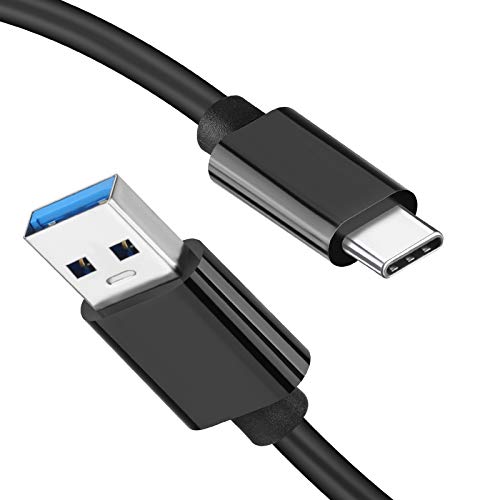
- Connect both phones using a USB/data cable (or USB OTG for adapters)
- Some phones support direct “USB file transfer” mode; others may require an adapter or an intermediary storage device.
- Select the phone’s storage option and copy the DCIM/Pictures folders
- On the source phone, choose File transfer / Transfer files (MTP) when prompted.
- Copy the relevant folders:
- DCIM (commonly camera images)
- Pictures (often includes downloads, screenshots, and app media)
- Safely eject the source phone, then verify files on the destination
- Use the destination’s file manager to confirm the folders exist and photos open correctly.
- Verify at least:
- 5–10 random photos across different dates
- 1–2 screenshots (so you know non-camera images transferred too)
Why this works for businesses and power users: USB copy is deterministic—you’re moving actual files rather than relying on app sync logic.
Method 3: Use Google Drive or One-Click File Sharing
Cloud transfer is a strong middle ground when you want wireless movement but prefer more explicit control than “background sync.” Drive is also helpful if you already collaborate using shared links/folders.
- Upload photos from the source phone to Google Drive (or a shared cloud folder)
- Create a dedicated folder like “Android Transfer – 2026-07” and upload only the photos you intend to move.
- If you’re transferring large batches, avoid interrupting uploads—connect to Wi‑Fi and keep the screen on if needed.
- Download the photos on the destination phone using the same account/folder
- Log into the same Google account on the destination.
- Download to local storage, then check where the system saves them (often Downloads).
- For fewer files, use the built-in Share menu to send multiple photos at once
- The Share menu can batch a selection and reduce time compared with sending one image at a time.
Tip: after downloading, move the folder into the right place (commonly Pictures) so the destination gallery indexes it more reliably.
Method 4: Transfer via Bluetooth or Nearby Share (Small Batches)
Bluetooth and Nearby Share are convenient for quick transfers, but they’re not ideal for full libraries. They can also be sensitive to distance and interruptions—especially in environments with many wireless devices.
- Turn on Bluetooth or Nearby Share on both phones
- Make sure visibility is enabled (e.g., “everyone” vs. “contacts only”) if you’re not seeing the target device.
- Select photos on the source phone and choose the target device
- Choose only a manageable group—think “a few minutes of selection,” not “all photos for years.”
- Keep both phones close until the transfer completes, then check the gallery
- Once complete, open the destination gallery and confirm a few received images are readable and not corrupted.
Good use case: transferring a wedding day album (tens of photos) or a short set of work event images immediately after arriving at a new phone.
Fix Common Transfer Issues
Even with the right method, transfer hiccups happen. These checks prevent the most common “my photos are missing” scenarios.
- If photos don’t show up, verify the same Google account and completed sync
- On both devices, confirm the logged-in account matches.
- In Google Photos, look for backup status indicators and wait for sync to finish.
- If files are missing, check the correct folder (DCIM/Pictures) during USB copy
- Camera photos usually live in DCIM; screenshots and downloads often live in Pictures or DCIM/Screenshots depending on the Android version and OEM.
- Also check device storage for “received” files in case of Share/Nearby transfers.
- If transfers fail, ensure enough storage and restart both phones if needed
- Verify available space on the destination before starting.
- If a transfer repeatedly fails, reboot both phones and try again—wireless pairing glitches are common.
Extra safeguard: keep the destination phone on Wi‑Fi/charging during large transfers, and avoid moving out of range (especially for Bluetooth/Nearby Share).
Conclusion
You can transfer photos from one Android to another using Google Photos (easy wireless backup + restore), a USB cable (fast, reliable direct copy of DCIM/Pictures), or Drive/Share/Nearby Share for smaller sets. Choose the method that fits your situation, then use quick verification—open a handful of images and confirm the destination gallery sees your photos before deleting anything from the source. If you want the safest outcome, start with Google Photos for completeness or USB for speed, and always double-check one or two key photos first.
Frequently Asked Questions
How do I transfer photos from one Android phone to another without losing quality?
The most reliable method is using a direct transfer option like Google Photos (sync) or a manufacturer tool (e.g., Samsung Smart Switch), since it keeps original files intact. In Google Photos, make sure both phones are signed into the same Google account and set backup to “Original quality” before transferring. If you’re using Bluetooth, avoid it for large libraries because it can be slow and may risk incomplete transfers. Afterward, open random photos on the new phone to confirm they downloaded correctly.
What’s the easiest way to move photos from Android to Android using Google Photos?
On the old phone, open Google Photos and turn on Backup/Sync so your images upload to the cloud. Then install/open Google Photos on the new Android phone, sign in with the same Google account, and wait for the library to sync. If you want offline access right away, enable “Device folders” or ensure the Photos app is allowed full background data. This method is ideal when you don’t want to manage cables or external storage.
How can I transfer photos from one Android to another using a USB cable and a computer?
Connect the old phone to your computer with a USB cable and set the connection mode to “File transfer” (MTP). Copy the DCIM folder (and any Pictures folders) to your computer, then connect the new phone and paste the files into the same directories. This is a good option when you have large photo libraries or weak Wi‑Fi, and it works with most Android devices. Always safely eject/unmount the phone before disconnecting to prevent corruption.
Which is best for transferring a lot of photos: Google Photos, Smart Switch, or SD card?
Google Photos is best when you want an automatic Android photo transfer across devices without manual file handling, especially if you have strong internet. Smart Switch (for Samsung devices) is often the fastest and most seamless for moving photos and other data between compatible phones. An SD card or USB flash drive is best when you want offline transfer or have privacy concerns, but it depends on whether your phones support external storage. Choose based on your phone models, available storage, and whether you want the process to be fully offline.
Why aren’t my photos transferring to the new Android phone, and how do I fix it?
Common causes include using different Google accounts, backup not being enabled on the old device, or running out of storage on the new phone. Check that both phones are signed into the same Google account, confirm Photos backup is “Original quality” (or that backup has completed), and ensure internet access during sync. If you used Bluetooth, re-check that all files were fully received, since partial transfers can happen. For USB transfers, verify you copied the DCIM/Pictures folders and that the new phone’s gallery isn’t hiding certain folders.
References
- Google Scholar Google Scholar
https://scholar.google.com/scholar?q=android+photo+transfer+between+devices - Google Scholar Google Scholar
https://scholar.google.com/scholar?q=nearby+share+android+photos+transfer - https://scholar.google.com/scholar?q=google+photos+migration+to+new+android+phone Google Scholar
https://scholar.google.com/scholar?q=google+photos+migration+to+new+android+phone - Google Photos
https://en.wikipedia.org/wiki/Google_Photos - https://en.wikipedia.org/wiki/Android_File_Transfer
https://en.wikipedia.org/wiki/Android_File_Transfer - Google Scholar Google Scholar
https://scholar.google.com/scholar?q=how+to+transfer+photos+from+one+phone+to+another+android - how to transfer photos from one phone to another android - Search results
https://en.wikipedia.org/wiki/Special:Search?search=how+to+transfer+photos+from+one+phone+to+another+android - https://www.ncbi.nlm.nih.gov/search/research-articles/?term=how+to+transfer+photos+from+one+phone+to+another+android
https://www.ncbi.nlm.nih.gov/search/research-articles/?term=how+to+transfer+photos+from+one+phone+to+another+android