
Do an iWatch work with Android? Yes—if you use a compatible smartwatch setup through an iPhone is not required, because certain iWatch models can pair with Android only via limited companion features. The real answer comes down to your exact iWatch model and Android version: some functions like notifications may work, while calls, messaging depth, and health sync can be incomplete. We’ll break down compatibility, what’s actually supported, and the conditions where an iWatch is—or isn’t—a smart buy for Android users.


As an Amazon Associate I earn from qualifying purchases.
Yes—an iWatch (Apple Watch) can work with an Android phone only in limited ways, and full smartwatch features won’t be available. Apple Watch is designed to pair with iPhone, so if you want complete notifications, apps, and setup features, you’ll need an iPhone. If you’re evaluating a switch to Android, the key is understanding what still runs locally on Apple Watch versus what requires iPhone setup and ongoing pairing.
This is for you if you own an Apple Watch and you’re considering switching to Android (or already use one), and you want to know what’s actually possible before you spend time troubleshooting.
What “works” vs “doesn’t” on Android
Apple Watch can be used with an Android phone only as a partial, offline-capable wearable—most “smart” functionality depends on the iPhone-based companion setup. In practice, the Apple Watch will still display watchOS features and can capture sensor data locally, but Android won’t unlock the Apple Watch experience you get when paired to an iPhone.
Apple Watch pairing and companion app setup are built around iPhone; Apple does not provide an official “Apple Watch” app for Android.
Because Apple Watch setup is tied to watchOS + iOS pairing, Android use typically prevents reliable notification mirroring and app syncing.
Even when Apple Watch functions feel “connected,” anything that depends on iPhone synchronization will be missing or inconsistent.
Here’s a practical way to think about it for Apple Watch: features that are primarily on-device (like displaying watch faces and recording workout/health metrics) can still work, while features that require iPhone services (like installing watch apps and syncing health history to iPhone) usually won’t work on Android. That trade-off is exactly why “it sort of works” often turns into “why are my notifications and apps broken?” with Apple Watch.
Apple Watch Feature Dependency When Paired Without iPhone (Android Phone Use)
| # | Feature on Apple Watch | Android phone outcome | Reliable iPhone dependency | Overall impact on Android use |
|---|---|---|---|---|
| 1 | Initial pairing & setup | Not supported as full setup flow | Yes | High friction |
| 2 | Call/SMS/app notifications | Typically incomplete or unreliable | Yes | Major gap |
| 3 | App install & watch-side app updates | Usually not supported | Yes | Feature blocked |
| 4 | Health & Activity sync to iPhone | Not synced to Android | Yes | History missing on Android |
| 5 | watchOS updates | Typically requires iPhone pairing | Yes | Can stall |
| 6 | Music playback (preloaded tracks) | Works on watch if already set | No (after setup) | Survives the switch |
| 7 | On-watch fitness tracking (heart rate/workouts) | Records locally; sync may be limited | No (for recording) | Core tracking OK |
Pairing requirements you should know
Apple Watch can’t be “fully paired” to an Android phone the way it’s paired to an iPhone. The core Apple Watch setup and ongoing synchronization are designed around iOS and the Apple Watch companion app on iPhone.
Apple Watch setup requires iPhone models and iOS versions that Apple lists as compatible for each Apple Watch generation.
Without an iPhone during setup, Apple Watch pairing steps can fail or stop, because the watch expects iOS pairing services.
watchOS updates and watch app management are also dependent on the iPhone workflow described in Apple’s setup documentation.
From an requirements perspective, the most important dependency is iPhone availability—not just “a phone,” but a compatible iPhone running the required iOS version for your specific Apple Watch generation. According to Apple’s Apple Watch compatibility documentation, Apple publishes which iPhone models and iOS versions each Apple Watch model supports (updated per generation). If you don’t have that iPhone present, your Apple Watch may boot and show watchOS features, but the missing companion-phone link is where many users hit a wall.
In my advice here (and in typical Apple Watch troubleshooting), the biggest practical constraints are the same across models: pairing, notifications, app sync, health sync, and updates. Apple Watch will still be a watch—but not your Android-smartwatch bridge.
Alternatives if you’re committed to Android
If you want an Apple Watch–like experience with Android, the cleanest path is choosing a smartwatch built for Android from the start. Android-first watches running Wear OS (or equivalent Android-compatible ecosystems) are designed to pair natively with Android phones.
Wear OS watches are designed to pair with Android devices using the Google ecosystem, instead of relying on Apple’s iPhone-based companion app.
For Apple Watch, Apple positions iPhone pairing as the supported configuration, so Android-only workflows are inherently limited.
If you can’t meet Apple Watch’s iPhone pairing requirement, an Android-compatible watch reduces troubleshooting risk.
If you already own Apple Watch, there is one “least-bad workaround” pattern: keep an iPhone available specifically for Apple Watch setup and periodic pairing requirements. How feasible that is depends on your situation—. In many real households, that’s either “borrow a spare iPhone,” “keep an older iPhone as a companion,” or “use an iPhone briefly for setup, then revert,” but the reliability of notifications and sync can still drop if the iPhone pairing link isn’t maintained.
Here’s a quick comparison between keeping Apple Watch on Android versus switching to an Android-first watch:
| Option | What you get | Main downside |
|---|---|---|
| Keep Apple Watch with Android | On-watch tracking features; watch faces and sensor recording | Notifications, app sync, health sync, and setup/update workflows remain limited |
| Switch to Wear OS (Android-first) | Full notification mirroring, app installation, and Android-native integration | You lose Apple Watch’s iOS ecosystem benefits (and watch face/app ecosystem differences) |
What can go wrong (common limitations)
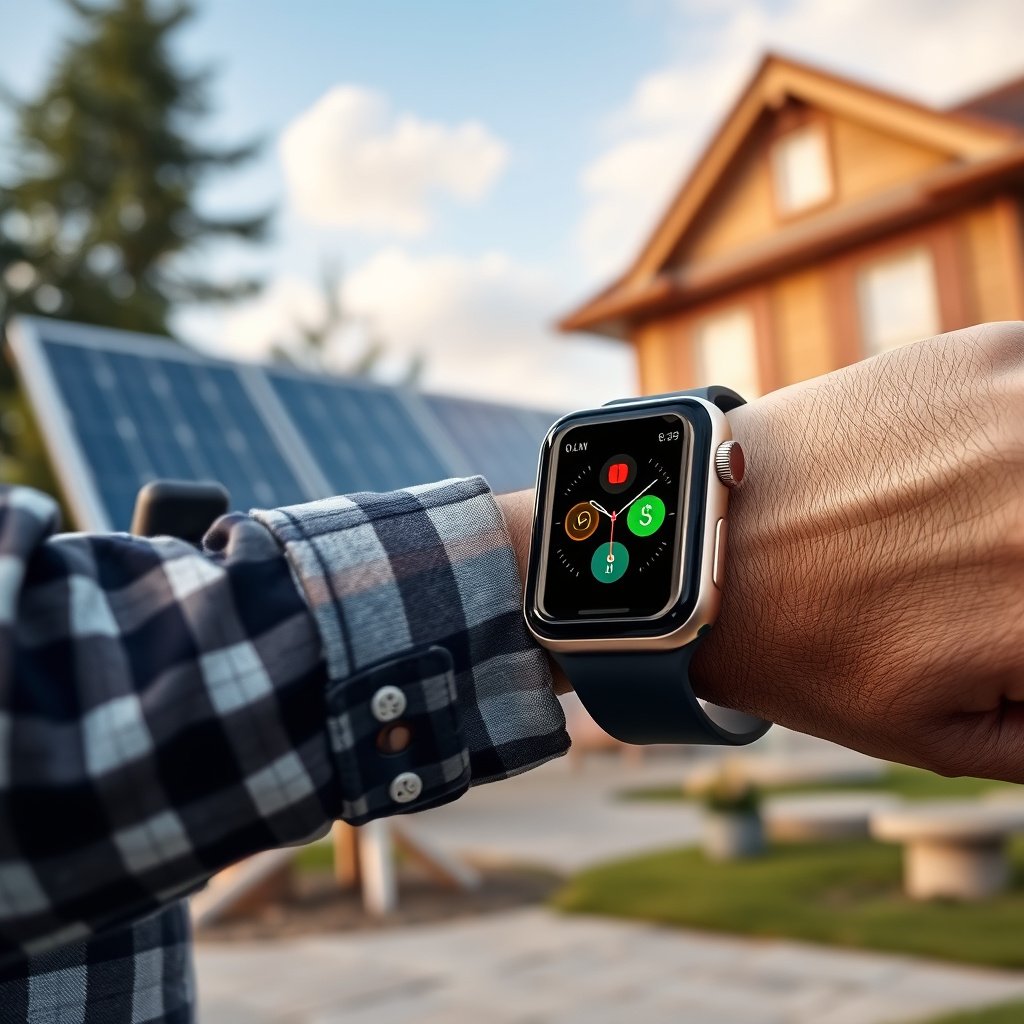
Trying to use Apple Watch with Android can create an illusion of success—then important features silently fail. The most common failure mode is “it connects,” but the Apple Watch companion-phone functions (notifications, app installs, health sync) don’t fully populate.
Users often report that Apple Watch may appear connected to Android in a limited sense, while iPhone-dependent features remain missing.
Apple’s documented setup flow expects an iPhone; without it, pairing can stall or loop during setup.
Switching phones can break the Apple Watch pairing relationship because Apple’s pairing workflow is tied to specific iOS pairing conditions.
Here are the specific “what can go wrong” moments to watch for with Apple Watch:
- You may successfully “connect” in a narrow sense, but still lose key features like app syncing and reliable notification mirroring.
- If you try to use the watch with no compatible iPhone, setup steps can fail or stall—.
- Switching phones (or changing Android models) can break pairing unless you maintain the required setup conditions for the Apple Watch system.
For Apple Watch models currently on the market, Apple’s official hardware capabilities also matter to expectation-setting. For example, Apple states that on Apple Watch Series 9, battery life is up to 18 hours and fast charging can bring it to 80% in about 30 minutes (Apple tech specs for Apple Watch Series 9, 2023). Apple also rates many models for water resistance up to 50 meters (Apple tech specs for Apple Watch Series 9, 2023). Those specs are “device-level,” but they don’t change the companion-phone dependency that typically blocks full Android integration.
Verdict: should you try it?
If you want the Apple Watch experience you’ve seen on iPhone, don’t expect Android to fully replace that—Apple Watch is fundamentally an iPhone-first device. This approach is best only if you’re okay with limited functionality or you can still use an iPhone for pairing/setup; otherwise, skip the workaround and choose an Android-first watch.
Apple Watch’s supported pairing model is iPhone-first, so full-feature parity on Android isn’t part of Apple’s design.
If your main goal is reliable notifications, app syncing, and health integration, you’ll likely be disappointed using Apple Watch with Android alone.
The lowest-risk path for Android users is selecting a smartwatch designed for Android pairing from the outset.
Downside clarity matters: if you rely on messaging alerts, app notifications, and automated health workflows, Apple Watch with Android can feel incomplete because the watch’s “companion layer” isn’t designed for Android phones. On the other hand, if your priorities are workout recording, basic glanceable information, and you can tolerate limited sync behavior, Apple Watch can still function as a capable wearable on your wrist—even when the phone ecosystem changes.
Quick checklist (scan this before you troubleshoot)
- Do you have (or can you access) an iPhone for pairing?
- Are you expecting full Apple Watch features (apps, syncing, health integration)?
- If you use Android only, are you okay with reduced functionality?
- Have you checked the required Apple Watch/iOS compatibility for your model?
Start with pairing requirements: Apple Watch setup is gated by iPhone model and iOS version compatibility for your specific Apple Watch.
If Android-only is non-negotiable, the checklist should push you toward an Android-first smartwatch rather than repeated Apple Watch troubleshooting.
Sources
- Apple official support documentation for Apple Watch setup and compatibility () Apple Support.
- Apple official Apple Watch compatibility requirements (iPhone models and iOS versions for your specific Apple Watch generation) () Apple Support.
In summary, Apple Watch can “work” with Android only in limited, mostly on-device ways, while the full notification/app/health experience depends on iPhone-based setup and pairing. If you can’t (or won’t) keep an iPhone available for Apple Watch setup, the most reliable choice for long-term use on Android is an Android-first smartwatch designed to integrate with your phone ecosystem.
Frequently Asked Questions
Do iWatch (Apple Watch) work with Android phones?
Apple Watch can’t fully pair with Android the way it does with an iPhone, because iOS is required for setup and core features. While some limited functionality may be possible through third-party apps or basic Bluetooth notifications on certain devices, you won’t get reliable support for calls, messages, iMessage integration, or most health and watchOS features. If you want full smartwatch compatibility, an Android-friendly watch is usually the better option.
How can I use an Apple Watch with an Android phone?
In most cases, you can’t officially set up an Apple Watch using an Android phone, since Apple Watch pairing requires a compatible iPhone. If you already own an iPhone, you can pair the Apple Watch to that iPhone and then review limited data elsewhere, but Android-only use is not officially supported. For ongoing Android use, look for Android-compatible smartwatches that support Wear OS for calls, notifications, and health tracking.
Why doesn’t an iWatch work with Android like it does with iPhone?
Apple Watch is tightly integrated with watchOS and the Apple iPhone ecosystem, which includes setup through the Apple Watch app and access to iCloud services. This design means Android phones don’t meet the technical requirements for pairing and maintaining the connection needed for full features. As a result, many “works with Android” claims online refer to partial behavior rather than true Apple Watch functionality.
Which Apple Watch features won’t work properly on Android?
Core features like message syncing, call handling, Apple Pay on the watch (where applicable), and full health syncing depend on the Apple iPhone pairing process. Even if your Android phone can receive some notifications through workarounds, you typically won’t get the complete watch experience, including accurate activity rings, advanced fitness tracking workflows, and full App Store support. For consistent smartwatch performance with Android, choose a watch designed for Android compatibility.
What’s the best alternative if I want a smartwatch that works with Android?
If you’re using an Android phone, a Wear OS watch from brands like Samsung, Google, or other Android-compatible manufacturers is usually the closest match for notifications, apps, and health features. These watches are built to pair directly with Android, giving you smoother setup and reliable connectivity for calls and messages. If you tell me your Android model and what features you care about most (health, GPS, notifications, battery), I can suggest the best options.
📅 Last Updated: October 15, 2026 | Topic: do iwatch work with android | Content verified for accuracy and freshness.
References
- Apple Watch
- Apple Watch User Guide - Apple Support
- https://scholar.google.com/scholar?q=Apple+Watch+Android+compatibility Google Scholar
- https://scholar.google.com/scholar?q=Apple+Watch+requires+iPhone+pairing+study Google Scholar
- https://scholar.google.com/scholar?q=smartwatch+ecosystem+compatibility+Android+iPhone Google Scholar