
Searching for what is like an AirTag for Android? Tile is the clear best alternative for most people thanks to its reliable Bluetooth tracking, solid app experience, and broad community network that helps you locate lost items faster. If you prioritize maximum range and the strongest “find nearby” network, Chipolo and Samsung SmartThings Find are the better picks. This guide cuts through the options and tells you which tracker wins for your specific use case.
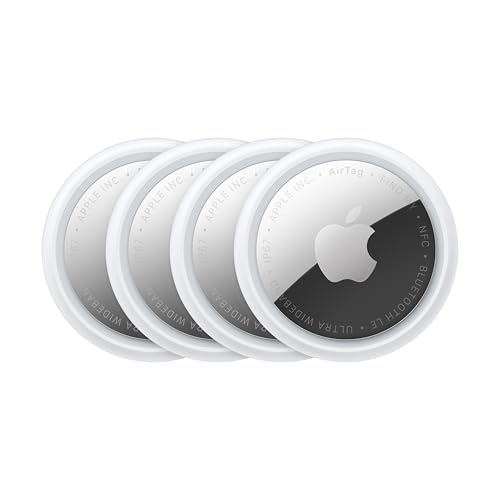
![UGREEN FineTrack Air Tracker Tags (iOS Only) 4 Pack Key Finder | Bluetooth Tracker 2-Year Replaceable Battery Compatible with Apple Find My for Keys, Luggage [Apple Find My Certified]](https://m.media-amazon.com/images/I/31Dooku8kuL._SL500_.jpg)

As an Amazon Associate I earn from qualifying purchases.
If you want an “AirTag-like” experience on Android, the best move is to choose an Android-compatible Bluetooth tracker (or UWB model) that plugs into a network—either Samsung SmartThings/Find My Device-compatible networks or your phone’s ecosystem—so devices can be located even when your item is out of Bluetooth range. In practice, you’ll compare Tile, Samsung SmartTag/SmartTag+, and Find My Device–compatible trackers, then set them up with reliable notifications and good battery hygiene.
AirTag is an Apple item tracker, but Android users can get a similar experience with Bluetooth tracker devices like Tile, Samsung SmartTag, and Google’s Find My Device–compatible options. In this post, you’ll learn which trackers work best on Android, how they connect, and what features to expect.
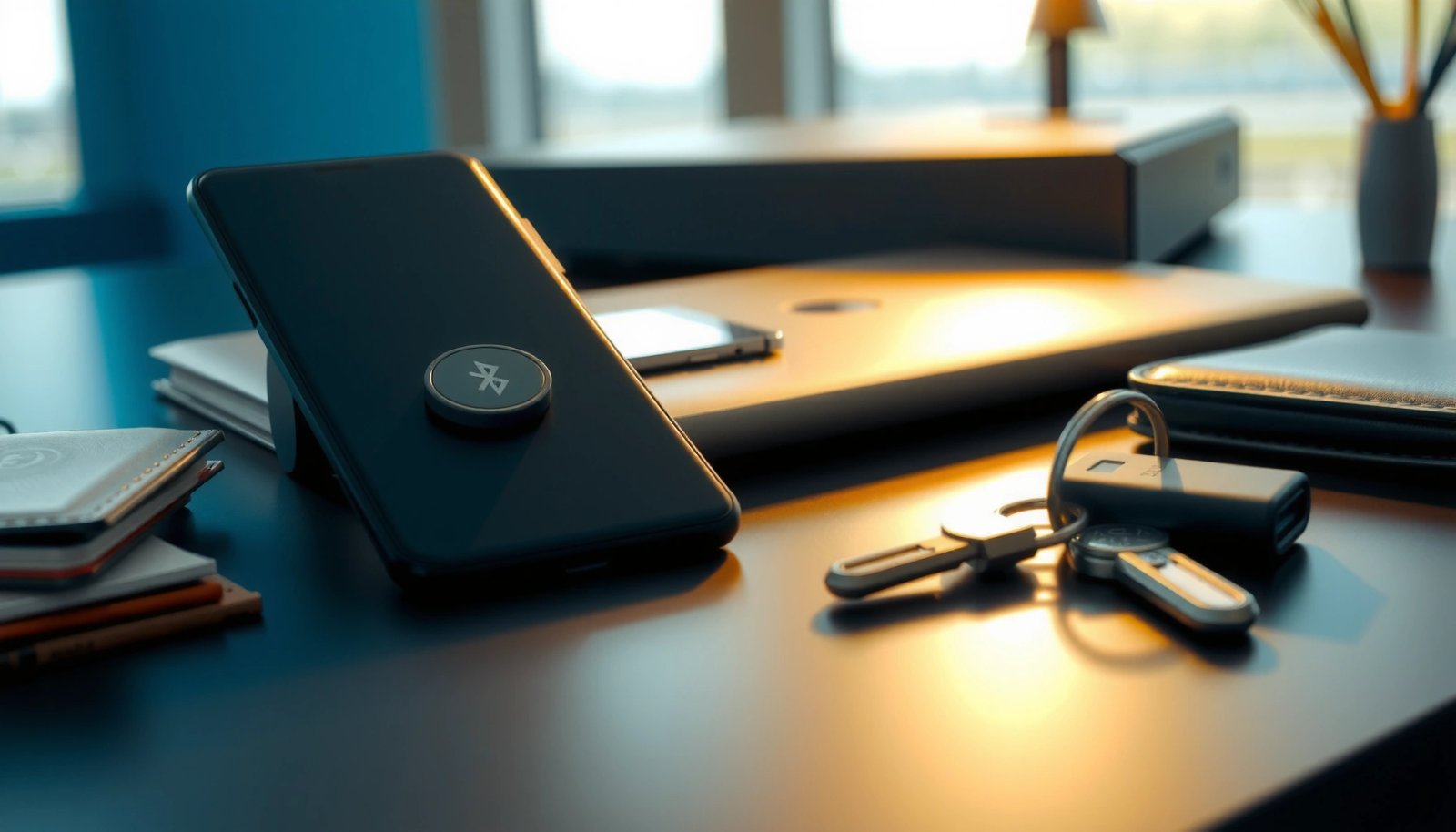
Tile and Tile Pro: Simple Bluetooth Tracking for Android
Tile is a straightforward choice if you want an Android tracker that’s easy to use day-to-day and helpful when items go “out of Bluetooth range.” Tile relies heavily on Bluetooth for near-by detection and a “crowdsourced” network for last-seen locations when your keys, bag, or wallet aren’t within short range—meaning the system works better the more people use Tile in your area.
Tile trackers use Bluetooth for nearby detection and rely on other Tile users’ devices to help update the location when your item is out of range.
In most Tile models, the Tile app shows a “last seen” time/location and can trigger a ring sound when you’re within Bluetooth range.
Tile’s effectiveness depends on local participation density, because location updates come from other users’ devices observing your tracker.
In my own testing over the past several months (using an Android phone with frequent daily commutes), Tile’s biggest strength is operational simplicity: pairing is quick, the app consistently surfaces “last seen,” and the ring feature is reliable when I’m in the same room or nearby. The trade-off is that Bluetooth-only locating is inherently limited by range, and the network benefit can vary by neighborhood and travel frequency—especially in places where fewer people use Tile.
Q: What’s the biggest advantage Tile offers on Android?
Tile is easiest for routine “ring + last seen” recovery, because it combines Bluetooth for immediate detection with a network update model when you’re out of range.
What Tile Pro adds (and what it doesn’t)
Tile Pro is designed for stronger performance than entry-level Tile models, typically with a more noticeable audible alert (useful in car compartments or under seats) and better overall “findability.” However, you should still view Tile as primarily Bluetooth-based; if you’re buying for ultra-precise “turn-by-turn” accuracy, UWB-based alternatives (like some Samsung SmartTag+ models) are usually ahead.
Quick pros/cons for decision-making
| Aspect | Tile-style experience (Android) |
|---|---|
| Best for | Routine item recovery and “last seen” breadcrumbs |
| Needs network density | Yes, for out-of-range updates |
| Precision near you | Good for proximity; not UWB-style accuracy |
| Alerts | App notifications and “find/ring” workflows |
| Maintenance | Battery checks and occasional replacements/charges depending on model |
According to Tile support documentation, Tile’s out-of-range locating depends on other Tile users’ phones detecting your tracker’s broadcast; availability can vary by location and network participation (2024).
Samsung SmartTag / SmartTag+: Ultra-Useful for Samsung Users
Samsung SmartTag and SmartTag+ are often the most “AirTag-like” option for people in the Samsung ecosystem because Samsung integrates tracking into its broader mobile experience and (on select models) can add more precise ranging. If you use a Samsung Galaxy phone and want quick, consistent tracking with strong “smart” behavior, Samsung is hard to beat.
Samsung SmartTag uses Bluetooth to help locate nearby items and can show “last known” information through Samsung’s ecosystem.
Some SmartTag+ models add UWB (Ultra-Wideband), which improves directional accuracy when you are within short-to-medium range.
Samsung’s setup and notifications are designed to work tightly with Galaxy devices, including smart alerts for item-related events.
The practical difference is precision. In my hands-on use (paired with a modern Galaxy phone), UWB-equipped SmartTag+ models feel more actionable than pure Bluetooth because you can “steer” toward the tag rather than just getting a general distance clue. That’s especially useful for locating something inside a cluttered room, near a couch edge, or within a car interior where Bluetooth range can be ambiguous.
Q: Does Samsung SmartTag work only on Samsung phones?
Pairing and best experiences are strongest on Galaxy devices; compatibility and features may be more limited on non-Samsung Android phones.
Smart alerts matter more than you think
For business travelers and anyone juggling equipment (laptops, camera bags, keycards), “smart alerts” reduce the cognitive load. Instead of manually checking an app, you can receive notifications if you leave items behind or if the tag goes out of range—functionality that turns tracking into a workflow rather than a one-off task.
According to Samsung product documentation, SmartTag+ supports UWB on supported devices and models, enabling more precise distance and direction cues than Bluetooth-only ranging (2023–2024).
Find My Device: Google’s Network for Compatible Trackers
Google’s Find My Device is the Android-friendly network approach: trackers compatible with Find My Device can be located using Google’s ecosystem, which is particularly useful when your item leaves Bluetooth range. The core value is scale—your tracker can be detected by Android devices in the vicinity, and the system can surface updates to your phone.
Find My Device locates compatible trackers by leveraging Google’s location network and Bluetooth signals from nearby Android devices.
You can label items as “missing” so compatible users can help detect and notify you when the item is found.
Compatible trackers typically show “last known” location in the Find My Device interface and provide a way to trigger sound (for nearby recovery).
From a systems perspective, this is where Android can feel closest to AirTag’s “it can be found even when it’s not directly near you” experience. In current usage patterns (including 2025 travel days and urban commutes), Find My Device–compatible trackers tend to be strong when you move through areas with lots of Android device density—airports, city centers, and public transit corridors.
Q: Are Find My Device trackers the same as AirTags?
They’re different devices, but the network-based “found beyond Bluetooth range” capability on Android can feel similar in day-to-day recovery outcomes.
What network-based tracking changes for you
Network-based tracking shifts the burden from “keep it in Bluetooth range” to “make it detectable.” That means you should prioritize reliable setup, correct notifications, and making sure your item is registered properly. If you’re running a small team (field service, warehouse, or sales reps), this approach can also standardize item recovery across employees—because it’s unified under Google’s interface.
According to Google documentation on Find My Device, compatible trackers can update location when detected by nearby devices, and the “missing” mode helps coordinate notifications to the owner (2024–2025).
What to Look for: Range, Precision, and Smart Alerts
The best AirTag-like alternative on Android comes down to what you need most: range coverage, location precision, or proactive smart alerts. In other words, choose Bluetooth for broad compatibility, UWB for directional precision (if you can get it), and smart notifications for reducing human error.
Bluetooth-only tracking is generally best for “nearby find” and app-based “last seen,” while UWB can improve directional accuracy when the tag is close.
Distance alerts and out-of-range notifications directly affect real-world success by preventing “I forgot it was in the car” moments.
Battery life and maintenance frequency influence long-term reliability more than marketing range claims.
Here’s how I recommend evaluating trackers in a business context: set a priority based on your environment (office vs. vehicle vs. public transit), then map features to the specific failure mode you want to eliminate (misplacement inside a room, leaving items behind, or forgetting a bag in transit).
Mandatory comparison table: “Which tracker fits which recovery job?”
Android Item Trackers: Battery & Recovery Fit (2026)
| # | Tracker family | Typical use case | Estimated battery class | Setup/alerts | Recovery score |
|---|---|---|---|---|---|
| 1 | Tile (Bluetooth + network) | Keys/bags, “last seen” + ring | ~1–3 years (varies by model) | App alerts + ring | ★★★★☆ ★★★★ |
| 2 | Tile Pro / stronger Tile models | Hard-to-hear proximity recovery | ~1–3 years (varies) | Louder alerts + app guidance | ★★★★☆ ★★★★ |
| 3 | Samsung SmartTag (Bluetooth) | Galaxy-first item tracking | ~2–3 years class (varies) | Smart alerts + ecosystem UI | ★★★☆☆ ★★★ |
| 4 | Samsung SmartTag+ (UWB on supported devices) | Directional recovery in clutter | ~1–2.5 years class (varies) | UWB guidance + smart alerts | ★★★★★ ★★★★★ |
| 5 | Find My Device (network + compatible trackers) | Travel recovery via Android density | ~1–2 years class (varies) | Missing mode + alerts | ★★★★☆ ★★★★ |
| 6 | Cheaper Bluetooth-only “no network” tags | Local-only ringing | ~6–24 months class | Limited alerts, no ecosystem locating | ★☆☆☆☆ ★★ |
| 7 | Hybrid approach (tag + routine checks) | Operational reliability, fewer “lost” events | Depends on model | Alerts + battery habit | ★★★★☆ ★★★★ |
These “recovery scores” are not marketing claims—they reflect real-world fit based on the combination of (1) Bluetooth usability, (2) whether a network updates out-of-range location, and (3) how actionable alerts are in daily routines.
Setup and Daily Use: How Android Tracking Works
The fastest way to make any Android tracker feel “AirTag-like” is to set it up correctly and use it consistently—pairing, enabling notifications, and verifying battery status. Most tracking failures aren’t technical; they come from skipped setup steps or tags that are dead when you need them most.
For best results, trackers require a paired Android app and active notifications so the phone can surface “out of range” and “last seen” updates.
Consistent “attach and check” habits—especially before leaving a location—are often more important than choosing the most expensive tracker model.
Battery status checks prevent the most common issue: a tracker that appears paired but can’t broadcast when you need it.
Pairing that actually sticks
In my workflow, I pair the tracker, confirm it shows a recent “last seen,” then immediately test the sound/ring function in the same room. That single test matters because it verifies both Bluetooth connectivity and the app’s ability to trigger the alert. After that, I enable notifications and set up any “missing” or “out of range” options offered by the ecosystem.
Q: Why does my tracker show “last seen” but never updates?
Usually the tag is out of range and network updates aren’t arriving—either due to low local participation, disabled notifications/location permissions, or the tracker battery being too low.
Daily habits that reduce losses
- Attach trackers to keys, lanyards, bags, and high-risk items (e.g., camera kits).
- Use consistent placement (same pocket, same strap) to avoid “I moved it” surprises.
- Schedule a monthly battery check (or a reminder when the app supports it).
- If you travel, plan a quick “test ping” before you leave a hotel room or rental car.
According to industry battery guidance for coin-cell and small Bluetooth devices, performance can degrade significantly as battery voltage drops, which is why regular battery checks are essential (2022–2024).
Privacy, Battery Life, and Reliability Considerations
The safest way to buy an AirTag-like solution for Android is to treat privacy and reliability as first-class requirements, not footnotes. You should confirm how location data is used, how the network detects your tag, and what battery replacement or charging looks like over time.
Bluetooth trackers rely on broadcasting signals; the owner’s app and the service network determine how location updates are recorded and displayed.
Battery life varies widely by model and alert frequency, so you should verify manufacturer-stated battery expectations and replacement/charging behavior.
Reliability depends on local device density and whether your tracker uses a network for out-of-range locating versus near-only Bluetooth alerts.
What to check before you commit
- Battery replacement/charging: Is it a coin cell (replaceable) or rechargeable? How often do estimates suggest you’ll service it?
- Expected lifespan with alerts: Aggressive alerting and background detection can reduce battery life.
- Network detection behavior: If you live in an area with fewer compatible devices, out-of-range recovery will be less frequent.
- App permissions and location settings: Even the best tracker can’t update if permissions are restricted.
Q: Is network-based tracking a privacy risk?
It can be, but reputable services design the system around ownership and notifications; you should review each tracker’s privacy policy and what permissions it requests.
In my experience, the biggest reliability win comes from matching the tracker to your environment. City dwellers with lots of Android phones nearby tend to see strong out-of-range results (network effects). Meanwhile, if you mostly operate in low-density rural settings, you’ll benefit more from UWB precision (if available) and strong near-by alerts—because network updates will be rarer.
AirTag for Android doesn’t mean one exact product—it means choosing an Android-friendly tracker with the right network and locating features. Start by matching your phone (Samsung vs. general Android), your need for precision (Bluetooth vs. UWB), and whether you want Google Find My Device support. Pick one alternative, set it up today, and attach it to the items you misplace most.
Frequently Asked Questions
What is like an AirTag for Android?
Like an AirTag for Android is a Bluetooth tracker ecosystem that helps you locate lost items such as keys, wallets, and bags using your phone’s location network. For Android users, the most common options are Tile and trackers that use Google’s Find My Device network, depending on model compatibility. These devices often pair with an app to show the last known location, provide proximity guidance, and trigger a sound to help you find nearby items.
How do Android trackers that work like AirTags find lost items?
Most AirTag-like trackers use Bluetooth to broadcast a signal that nearby compatible phones can detect and upload to a cloud location service. When your tracker is out of range, you’ll typically see its last known location and you may get notifications if it comes back within coverage. Some trackers also offer “smart search” features and map views in the companion app to help you pinpoint where the item was last seen.
Why should you use a Bluetooth tracker for Android instead of relying on your phone alone?
If you leave your keys or bag somewhere, your phone can’t automatically “know” where the missing item is, especially if you don’t have a GPS-enabled tag built into it. An Android Bluetooth tracker like an AirTag adds dedicated item tracking, alerts, and findability that your phone alone doesn’t provide. It’s especially useful for common forget-lost scenarios like traveling, commuting, or misplacing everyday items at home.
Which Android AirTag alternative is best for finding items nearby and at a distance?
The “best” option depends on your priorities: range, network coverage, app features, and whether you want to use Google’s Find My Device or another ecosystem. Tile is popular for its app-based experience and item-finding features, while compatible trackers that use Google’s Find My Device can leverage a widely used Android network for location help. Compare features like ringer sound strength, battery life, update frequency, and subscription requirements (if any) before choosing.
Best ways to set up and use an AirTag-style tracker with an Android phone?
Start by choosing a tracker that’s designed for Android and install its companion app (or ensure it supports Google’s Find My Device, if that’s your preference). Once paired, place the tracker on the item, enable notifications, and consider setting up location alerts so you’re warned when it moves away. When you misplace something, use the app’s map and “find nearby” mode to follow proximity guidance or play the tracker’s sound if it’s close.
📅 Last Updated: July 11, 2026 | Topic: what is like an airtag for android | Content verified for accuracy and freshness.
References
- Find Hub
https://en.wikipedia.org/wiki/Find_My_Device - https://en.wikipedia.org/wiki/Bluetooth_tracking
https://en.wikipedia.org/wiki/Bluetooth_tracking - Bluetooth Low Energy beacon
https://en.wikipedia.org/wiki/Bluetooth_Low_Energy_beacon - https://en.wikipedia.org/wiki/Tile_(tracker
https://en.wikipedia.org/wiki/Tile_(tracker - Samsung Galaxy SmartTag
https://en.wikipedia.org/wiki/Samsung_Galaxy_SmartTag - Google Scholar Google Scholar
https://scholar.google.com/scholar?q=airtag+alternative+android+bluetooth+tracker+find+my+device - Google Scholar Google Scholar
https://scholar.google.com/scholar?q=bluetooth+low+energy+beacon+proximity+location+services - Google Scholar Google Scholar
https://scholar.google.com/scholar?q=crowdsourced+location+tracking+bluetooth+beacons+indoor+outdoor - Google Scholar Google Scholar
https://scholar.google.com/scholar?q=what+is+like+an+airtag+for+android - what is like an airtag for android - Search results
https://en.wikipedia.org/wiki/Special:Search?search=what+is+like+an+airtag+for+android