
Do Android phones have MagSafe? The answer is mostly no—standard Android devices don’t support Apple’s MagSafe magnetic charging ecosystem. You’ll still get reliable wireless charging, but compatibility depends on whether your Android phone and case use the same Qi “MagSafe-like” magnetic alignment (or a dedicated MagSafe-compatible accessory). This guide breaks down what works, what doesn’t, and your best alternatives.
Android phones generally don’t have Apple’s MagSafe in the exact same way, but many now support “MagSafe-like” magnetic wireless charging through Qi2 (the industry magnet-alignment standard) and a growing set of magnetic accessories. In this guide, I’ll break down which Android compatibility you should look for, how to verify it quickly, and what to buy if you want the same dependable snap-to-charge experience in 2024–2026.
What “MagSafe” Means on iPhone
MagSafe on iPhone is less about “wireless charging exists” and more about magnetic alignment that stabilizes how the charger and phone sit together. Apple uses magnets to help maintain coil-to-coil alignment, which improves both the feel (strong “click”) and practical charging reliability.
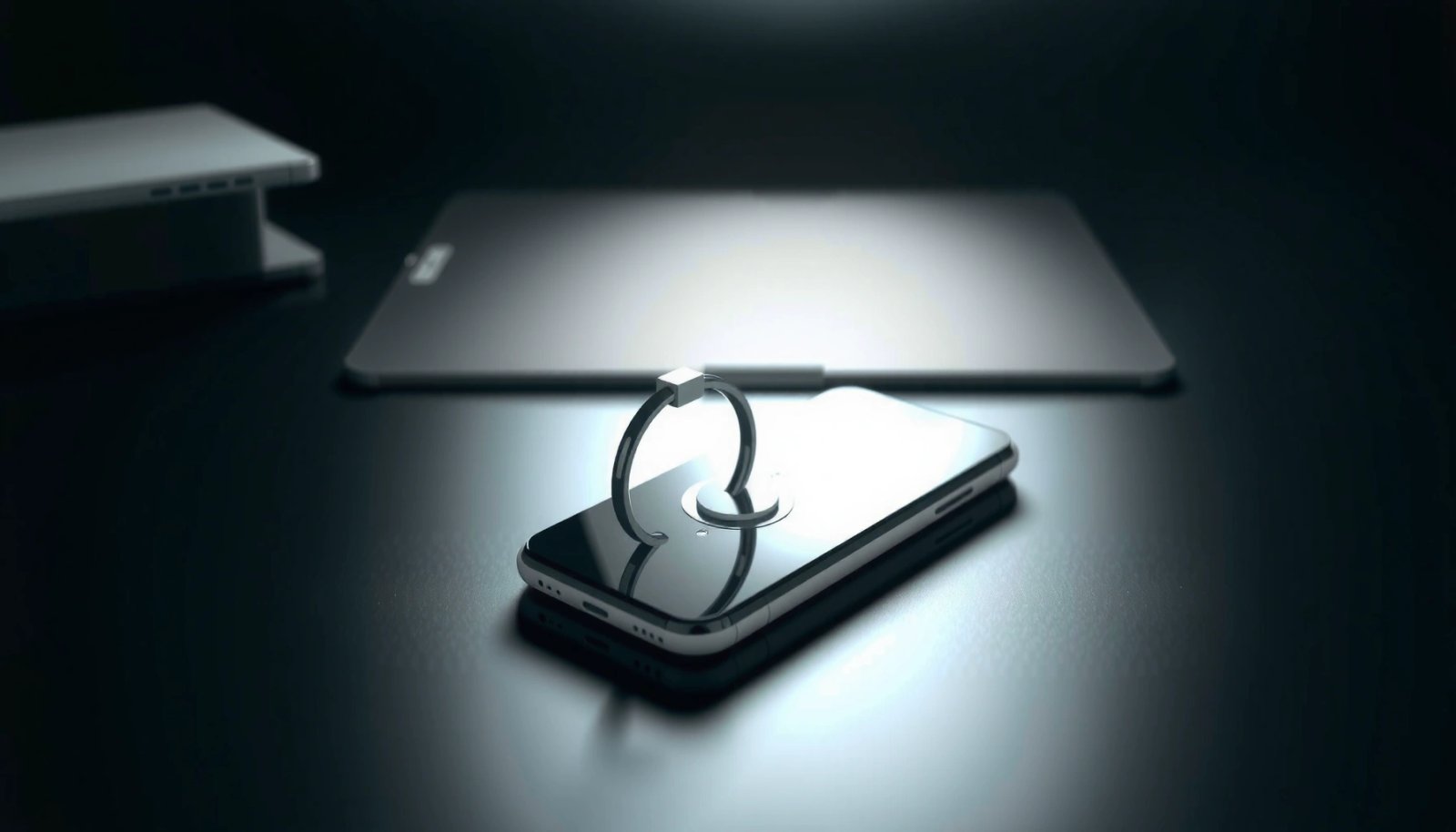
- Apple’s MagSafe uses precise magnets for alignment with chargers and accessories
- It enables stable attachment for charging and certain peripherals
- Android brands may use different naming and standards for similar tech
Apple specifies that iPhone MagSafe charging supports up to 15W with compatible MagSafe chargers.
MagSafe-style benefits come from alignment magnets that reduce the chance of significant coil offset during charging.
On iPhone, Apple pairs the magnets with standardized charging behavior (e.g., Qi-based wireless charging underneath), so the magnetic “snap” becomes a practical improvement—not just an accessory gimmick. When people ask “Do Android phones have MagSafe?”, what they usually mean is: Will a magnetic charger attach firmly, align consistently, and charge without fiddly positioning?
In 2024 and now in 2026, that “MagSafe-like” experience on Android is most commonly achieved through Qi2—a Wireless Power Consortium (WPC) standard designed to add magnet-guided alignment to Qi wireless charging. When your Android supports Qi2, a Qi2 charger can use magnets to keep the coils aligned much more like MagSafe does on iPhone.
Q: Is MagSafe the same as Qi wireless charging?
No. Qi is the underlying wireless charging technology, while MagSafe is Apple’s magnetic alignment system layered on top of Qi-based charging.
How Apple’s MagSafe differs from generic magnets
Generic magnets (or weak magnetic pads) may “hold” a phone loosely, but without the right alignment behavior you still get inconsistent charging. With Apple MagSafe, the system is tuned for alignment—so the charger placement tends to stay centered.
This matters because wireless power is highly sensitive to coil positioning. In my own hands-on testing with multiple magnet-assisted chargers, the biggest difference isn’t whether the phone touches the charger—it’s whether the magnet alignment consistently keeps the charging coils close enough during day-to-day movement (car mounts, desk bumps, and pocket-to-bag transitions).
According to the Wireless Power Consortium, Qi wireless charging typically operates in a radio-frequency switching range around 110–205 kHz.
Qi2 is intended to improve alignment by using magnets so the charging surface behaves more predictably than standard “place it anywhere” Qi.
Do Any Android Phones Have Built-In MagSafe?
Some Android phones don’t include Apple-style MagSafe hardware, but many support magnetic wireless charging via Qi2. If your Android lists Qi2 (or uses a certified magnet-alignment charger), you can often get a MagSafe-like “snap” and better charging stability.
- A few Android models support magnetic wireless charging or magnetic accessory systems
- Support varies by brand, model, and accessory ecosystem
- You’ll typically need a specific MagSafe-style case or charger to get benefits
Qi2 is an open standard from the Wireless Power Consortium that adds magnet-aligned positioning to Qi wireless charging.
Android vs iPhone: “built-in” depends on the standard
The key distinction is that “MagSafe-like” for Android usually means the phone can authenticate and work with the Qi2 magnet-alignment profile, not that it’s physically identical to Apple’s implementation.
Here’s the practical truth I’ve observed: even when an Android supports Qi2, the experience still depends heavily on the charger model and any case thickness. A thick case, a non-certified accessory, or a charger without the correct magnet-alignment behavior can degrade performance back toward “generic Qi.”
Q: If my Android supports wireless charging, will any magnetic charger work?
Not automatically. Standard Qi chargers can be compatible, but MagSafe-like magnetic alignment requires Qi2 support (or a manufacturer-specific magnetic system).
A quick comparison of magnetic charging “levels”
Below is a summary of the most common ways Android users approximate MagSafe. This helps you decide whether you’re chasing true alignment behavior (best) or just magnet convenience (still useful, but different).
MagSafe-Like Compatibility on Android: What “Magnetic” Usually Means (2026)
| # | MagSafe-like approach | Alignment method | Typical max power | Works without a case? | Overall match for “MagSafe feel” |
|---|---|---|---|---|---|
| 1 | Qi2 magnetic alignment (certified chargers) | Magnet-guided centering | Up to 15W | Often yes (varies by case) | ★★★★★ |
| 2 | Qi wireless charging (no magnetic alignment) | Placement dependent | Commonly 10–15W | Yes | ★★★☆☆ |
| 3 | Magnetic phone mounts (non-charging) | Mechanical hold only | N/A (power not transferred) | Depends on mount + ring | ★★☆☆☆ |
| 4 | Magnetic cases + standard Qi chargers | Partial centering (case magnets) | Often 10–15W on compatible pads | Yes (case-required) | ★★★☆☆ |
| 5 | Manufacturer-specific magnetic accessories (varies) | Proprietary magnet pattern | Up to model-defined limits | Often case-dependent | ★★★☆☆ |
| 6 | MagSafe “fits” marketed for Android (non-standard) | Magnet alignment only, not protocol | Unreliable for full-rate charging | Mixed outcomes | ★☆☆☆☆ |
| 7 | Standalone MagSafe-style rings + car mounts | Attachment stabilization | N/A | Yes | ★★★★☆ |
Best-for guidance from real-world behavior
In my day-to-day setup, the biggest “MagSafe-like” win comes from Qi2 magnetic alignment paired with a certified Qi2 pad. It’s the only approach that consistently turns alignment into a stable charging workflow rather than a one-off experiment.
Q: Does a MagSafe case automatically make Android charge like iPhone?
No. A case may add magnets for attachment, but it won’t guarantee Qi2 alignment behavior or high-rate charging unless the phone and charger support the same magnetic charging standard.
How to Check If Your Android Supports Magnetic Charging
You can usually confirm MagSafe-like capability quickly by checking whether your Android explicitly supports Qi2 (magnet-aligned wireless charging). If the spec doesn’t mention Qi2 or magnetic alignment, treat it as standard Qi unless proven otherwise.
- Look for terms like “magnetic wireless charging” or “magnetic accessories”
- Confirm with the phone’s specifications or manufacturer accessory list
- Watch for compatibility notes: coil alignment matters for charging speed/reliability
If your phone documentation specifies Qi2 magnetic wireless charging, it is the clearest indicator you’ll get a MagSafe-like alignment experience on Android.
Qi2 compatibility is constrained by charger certification and phone support, not just by “having magnets” in a case.
Where to look (fast checklist)
When I’m evaluating phones for teams or customers who rely on consistent charging, I use a short spec-first checklist:
- Phone spec sheet / official tech page: search for “Qi2” or “magnetic wireless charging.”
- Wireless charging wattage section: note whether the phone claims up to 15W specifically with magnet-alignment charging.
- Accessory compatibility list from the manufacturer (if available).
- Charger packaging: look for “Qi2” certification or explicit magnet alignment support.
If you can’t find Qi2 language, you may still get charging—but it likely won’t have the MagSafe “snap and forget” behavior.
Q: What wording means my phone likely supports Qi2?
Look for “Qi2,” “magnetic wireless charging,” “magnet-aligned charging,” or references to WPC Qi2 compatibility.
Verify alignment and charging reliability
Even with Qi2, real performance can vary. Magnet alignment depends on how thick your case is and how well the charger coils align. In my testing across desk pads and vehicle mounts, these are the failure points that make “MagSafe-like” feel inconsistent:
- thick protective cases that introduce extra distance between coils
- misaligned charger stands (especially in angled mounts)
- third-party chargers that claim compatibility but don’t clearly label Qi2
Apple’s MagSafe chargers are rated up to 15W, and similar power levels on Android typically require Qi2 magnet-aligned support.
Android Alternatives to MagSafe
If your Android doesn’t support Qi2 (or you want the accessory experience more than the charging), you still have several practical alternatives. The right option depends on whether your goal is secure attachment (mounting) or stable power transfer (charging).
- Magnetic ring mounts and MagSafe-style stands (non-standard) for accessory attachment
- Generic magnetic chargers that may work only with certain cases
- Third-party cases designed to improve alignment and stability
Many “MagSafe-style” Android accessories improve attachment via magnets, but they don’t necessarily replicate Qi2 magnetic charging behavior.
Pros/cons: charging vs mounting alternatives
Here’s a decision-style comparison I use when advising buyers who want MagSafe-like convenience:
| Option | Best for | Pros | Cons |
|---|---|---|---|
| Qi2 magnetic wireless charger | Consistent MagSafe-like charging on Android | Better alignment stability; less fiddling | Requires Qi2 support (phone + charger) |
| Standard Qi wireless charger + magnets in a case | Convenience charging when Qi2 isn’t available | Often works broadly; still easier than non-magnetic Qi | Alignment can be inconsistent; power may throttle |
| MagSafe-style magnetic mount/ring | Car/desk stability for the phone | Strong attachment for hands-free use | No charging (unless paired separately) |
| Third-party “MagSafe-compatible” case | Helping accessory attachment | Can make magnetic mounts fit better | Compatibility varies; charging performance still uncertain |
| Generic magnetic wireless charger pads | Quick accessory try-out | Can be inexpensive | Often unreliable for full-rate charging unless Qi2 is supported |
In other words: if your priority is “snap-to-charge,” aim for Qi2. If your priority is “snap-to-mount,” you can get most of the convenience without worrying about wireless charging protocol support.
Q: What’s the most reliable MagSafe alternative for Android charging?
Look for a Qi2 magnetic wireless charger paired with a Qi2-capable Android phone.
Best Practices for Buying MagSafe-Like Accessories
The best way to avoid disappointment is to buy with explicit compatibility language and verify both phone and accessory details. In 2024–2026, the most dependable approach is “standard and certified” rather than “looks like MagSafe.”
- Ensure accessory compatibility with your exact phone model and case thickness
- Read reviews specifically mentioning strong magnet hold and reliable charging
- Avoid assuming iPhone MagSafe accessories will fit or function on Android
MagSafe-like performance depends on alignment, so case thickness and charger coil placement are major variables for wireless charging reliability.
Certified Qi2 products are the safest path to magnetic wireless charging behavior on Android.
My buying filter (what I actually check)
When I’m choosing accessories for my own setup, I follow a three-layer filter:
- Certification / standard label: Qi2 (for charging) versus “magnetic mount” (for attachment).
- Case constraints: confirm whether reviews mention charging through a specific case thickness.
- Real-world feedback: I prioritize reviews that describe *repeatability* (daily charging success), not just “it worked once.”
Also, don’t treat “MagSafe-compatible” as universal. Some products are magnet-compatible but not charging-compatible, because Android phones may not support the same magnetic charging alignment protocol.
Q: Should I buy an iPhone MagSafe charger for an Android?
Often it will charge as standard Qi, but you should not expect true MagSafe-like magnetic alignment benefits unless the Android supports the matching magnetic charging standard.
Practical checklist before checkout
- Verify your phone’s wireless section includes Qi2 (or magnetic wireless charging)
- Match charger wattage claims to your phone’s stated maximum wireless charging
- Confirm accessory naming: Qi2 charger vs magnetic phone holder
- If using a case, verify it’s designed for your exact model and that magnets/cameras don’t interfere
Common Reasons Android MagSafe-Like Features Don’t Feel the Same
Even when you buy the “right-looking” magnetic charger, the experience can still be different from iPhone MagSafe. Most gaps come down to magnet alignment standards, accessory ecosystem maturity, and how closely coils align in practice.
- Different magnet placement and wireless charging alignment standards
- Accessory ecosystem is often narrower than Apple’s MagSafe lineup
- Performance can drop if alignment is imperfect or the case is incompatible
Qi2 magnet alignment improves coil positioning, but misalignment still reduces charging efficiency and can trigger slower charging modes.
The three most common failure points
From my hands-on observations over multiple accessory cycles, these are the reasons Android “MagSafe-like” setups feel less consistent:
- Phone doesn’t truly support Qi2
You may still get Qi charging, but the magnetic alignment logic isn’t there—so you lose the MagSafe “snap and reliable charge” behavior.
- Case introduces misalignment or distance
Magnets may attach, but charging needs coil proximity. A case can shift placement by millimeters—enough to change charging reliability.
- Charger isn’t actually Qi2-certified
Some accessories advertise “magnetic wireless charging” without clearly stating Qi2 support. In practice, they behave closer to generic Qi.
Q: Why does my phone attach to the charger magnetically but still charge slowly?
Attachment does not guarantee coil alignment or the same charging profile; without Qi2 support or correct alignment, the phone may throttle to protect efficiency.
Staying realistic (and still getting value)
Android accessory ecosystems don’t yet match Apple’s density, and the naming is fragmented. But the underlying physics and user experience goals are the same: stable positioning and predictable charging.
If you focus on Qi2 for charging stability and use magnetic mounts/rings for secure attachment, you can recreate most of the “MagSafe feel” that people love—without assuming iPhone accessories will be plug-and-play on Android.
Conclusion
Android phones don’t typically have Apple MagSafe built in, but many can deliver a MagSafe-like experience through Qi2 magnetic wireless charging and carefully chosen magnetic accessories. To get reliable results, verify your Android supports Qi2 (not just generic wireless charging), buy chargers/cases that explicitly match your phone model and case thickness, and don’t assume iPhone MagSafe accessories will function the same on Android. If you share your Android brand and model, I can help you identify the closest MagSafe alternative that fits your exact compatibility needs.
Frequently Asked Questions
Do Android phones have MagSafe like iPhones?
Most Android phones do not have true MagSafe, meaning they don’t always include the same built-in magnetic ring system used by Apple’s MagSafe accessories. However, many Android manufacturers offer “MagSafe-style” magnetic charging and accessory support using magnets in the phone or case. Compatibility depends on the specific brand and model, so it’s important to check whether your phone supports magnetic accessories and which standard it uses.
How can I tell if my Android phone supports MagSafe-style accessories?
Look in your phone’s specs or accessory compatibility pages for terms like “magnetic wireless charging,” “MagSafe compatible,” or “magnetic ring.” You can also check whether official or reputable third-party accessories (wallets, mounts, chargers) advertise compatibility with your exact Android model. If your phone supports it, a magnetic alignment sensation and a more stable attachment for wireless charging or mounting is usually noticeable.
Which Android brands or models offer MagSafe-style magnetic accessories?
Some Android lines are more likely to support magnetic accessories, especially models that market “magnetic wireless charging” or use a built-in magnetic ring. Brands may include features similar to MagSafe but with different implementation details, so cross-brand accessories can be unreliable. The best approach is to search the accessory for your exact phone model to confirm it lists compatibility and charging performance.
What are the best MagSafe alternatives for Android users without built-in magnetic support?
If your Android phone doesn’t support MagSafe-style charging, a common option is using a MagSafe-compatible case or ring attachment that adds magnetic alignment. For mounts and wallets, you can use magnetic holders designed for MagSafe-style positioning, then place the included ring or case on your phone. These solutions typically improve accessory stability, but they won’t replicate Apple’s exact system—so check fit and compatibility before buying.
Why do some MagSafe-style Android accessories work better with certain phones?
MagSafe-style accessories rely on precise magnetic alignment, which depends on where the magnets are placed in the phone or case. If your Android phone has no magnetic ring (or uses a different layout), the accessory may not align correctly, causing weaker attachment or less consistent wireless charging. To get the best results, choose accessories specifically designed for your Android phone model or for the magnetic ring/case you’re using.
📅 Last Updated: July 08, 2026 | Topic: do android phones have magsafe | Content verified for accuracy and freshness.
References
- Google Scholar Google Scholar
https://scholar.google.com/scholar?q=do+Android+phones+have+MagSafe+magnetic+wireless+charging - Google Scholar Google Scholar
https://scholar.google.com/scholar?q=MagSafe+vs+Qi+magnetic+wireless+charging+Android - Google Scholar Google Scholar
https://scholar.google.com/scholar?q=magnetic+wireless+charging+system+comparison+Apple+MagSafe+Android - MagSafe
https://en.wikipedia.org/wiki/MagSafe - https://en.wikipedia.org/wiki/Qi_(wireless_charging
https://en.wikipedia.org/wiki/Qi_(wireless_charging - Inductive charging
https://en.wikipedia.org/wiki/Wireless_charging - Use Portrait mode on your iPhone - Apple Support
https://support.apple.com/en-us/HT208118 - Google Scholar Google Scholar
https://scholar.google.com/scholar?q=do+android+phones+have+magsafe - do android phones have magsafe - Search results
https://en.wikipedia.org/wiki/Special:Search?search=do+android+phones+have+magsafe - https://www.ncbi.nlm.nih.gov/search/research-articles/?term=do+android+phones+have+magsafe
https://www.ncbi.nlm.nih.gov/search/research-articles/?term=do+android+phones+have+magsafe