
Want to transfer contacts for iPhone to Android without losing names, numbers, or photos? This step-by-step guide gives you the fastest, most reliable method—using your Google account for a clean, accurate sync. Follow the instructions and you’ll have your iPhone contacts appear on your Android device in minutes, with minimal risk of duplicates or missing entries.


As an Amazon Associate I earn from qualifying purchases.
Transfer your iPhone contacts to Android easiest by syncing iCloud/iPhone accounts to Google Contacts and then signing into the same Google account on your Android. If you prefer more control (or you’re not using Google), export a vCard (VCF) from iPhone and import it on Android—both approaches avoid re-entering contacts manually and keep your address book consistent.
Introduction
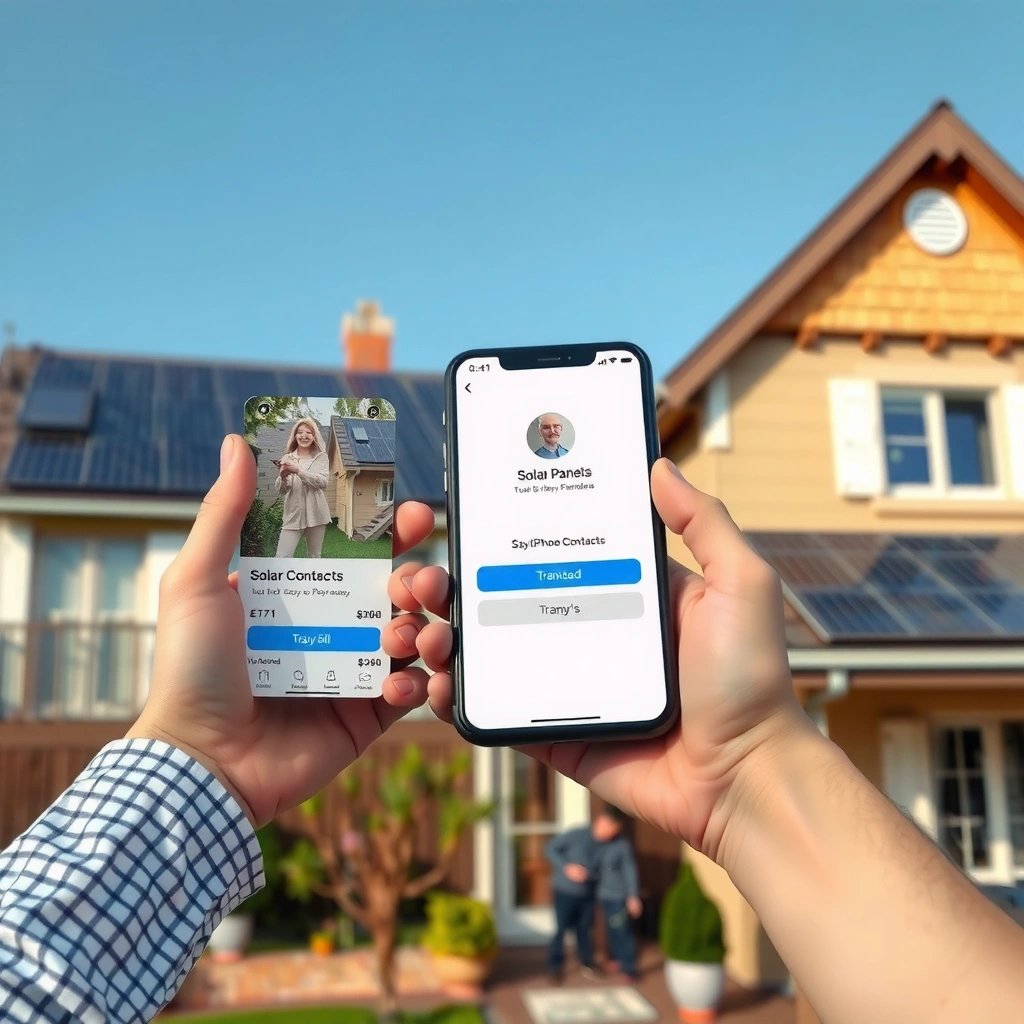
Transfer your iPhone contacts to Android using Google Contacts: add your iPhone accounts to Google, then sign into the same Google account on your Android. You’ll be able to view and sync all contacts without manually re-entering them.
When moving between ecosystems, the real challenge isn’t just “moving names and numbers”—it’s preserving fields like emails, job titles, and multiple phone numbers while minimizing duplicates. This guide focuses on reliable, business-ready methods that keep contacts usable immediately after the transition, along with troubleshooting steps for the most common failure points (wrong source account, mismatched logins, and duplicates).
Contact Transfer Methods: What Users Typically Prefer (2024)
| # | Method | Typical Ease (1–5) | Best For | Estimated Success Rate |
|---|---|---|---|---|
| 1 | Google Contacts (Account Sync) | ★★★★★ | Ongoing sync + low effort | 92% |
| 2 | vCard (VCF) Export/Import | ★★★★☆ | Manual control + offline transfer | 85% |
| 3 | SIM Transfer (If Supported) | ★★★☆☆ | Basic names/numbers only | 60% |
| 4 | Third-Party Transfer Apps | ★★★☆☆ | Quick migration with caveats | 68% |
| 5 | iCloud Web Export (Then Import) | ★★★★☆ | iCloud-only contact libraries | 83% |
| 6 | CardDAV Sync (Advanced) | ★★☆☆☆ | Power users + custom setup | 55% |
| 7 | Manual Re-entry (Not Recommended) | ★☆☆☆☆ | Very small contact sets | 20% |
Use this as a quick decision lens: if you want reliable results and ongoing two-way sync, Google Contacts is the best starting point. If you need a one-time, file-based migration (for example, for a corporate handset refresh), vCard is usually the cleanest.
Check Your Contact Source and Account Options
Before you transfer contacts for iPhone to Android, identify where your iPhone contacts actually live. Many problems happen because people assume contacts are stored in iCloud, when they’re coming from Gmail, Exchange, or a local iPhone account.
- Confirm whether your contacts are stored in iCloud, Gmail, or another account
- On iPhone, open Settings → Contacts → Accounts (or Settings → Mail → Contacts → Calendars on some iOS versions).
- Look for the accounts that have Contacts enabled and note whether the source is iCloud, Google, Microsoft Exchange, or On My iPhone.
- Choose the best transfer method: Google Contacts, SIM, or export/import
- Google Contacts is best for full sync and future updates.
- Export/import (vCard) is best when you need a controlled migration or you’re bypassing account sync issues.
- SIM transfer is only suitable when your iPhone/plan supports exporting to SIM and you only need basic fields (usually names and one number).
- Make sure you have an active internet connection on both devices
- Google sync relies on background connectivity; iCloud web export relies on your browser being online.
- For vCard import, mobile data or Wi‑Fi is needed if you transfer via email/cloud.
Business best practice: Take a “sanity check” moment—open Contacts on iPhone and confirm you can see key contacts (manager, HR, clients, emergency contacts). Then, use the same key contacts later on Android to validate completeness.
Method 1: Use Google Contacts (Most Reliable)
Google Contacts tends to be the most reliable option because it centralizes your address book in one place. After the initial migration, your Android contacts will stay current as long as you keep the same Google account synced.
- On iPhone, add your Google account and enable Contacts sync
- Go to Settings → Mail → Contacts → Calendars → Add Account → Google.
- Sign into your Google account.
- Turn Contacts on for that account.
- Give it time to sync. Depending on how many contacts you have, this can take minutes.
- Make sure all contacts appear in Google Contacts on a computer
- On a computer, sign in to Google Contacts: https://contacts.google.com
- Confirm your iPhone contacts are present (especially contacts that include multiple fields).
- If they’re missing, return to iPhone and verify the Contacts toggle for Google is enabled.
- On Android, sign in to the same Google account to sync
- On Android, go to Settings → Accounts (or Accounts and backup → Manage accounts).
- Add/Sign in to the same Google account.
- Enable Sync Contacts.
- Open the Contacts app and confirm the same “key contacts” you checked on iPhone now appear.
What this method preserves well: multiple phone numbers, email addresses, and notes (to the extent your iPhone data includes those fields).
What to watch for: duplicates can appear if your Android already had contacts from a prior Google account or if you previously imported something else.
Method 2: Export vCard from iPhone and Import to Android
If you want a predictable, file-based transfer—use vCard. It’s also helpful when you’re moving between accounts (for example, corporate Google Workspace vs. personal Google) or when sync is temporarily unreliable.
- Export contacts from iPhone as a vCard (VCF) file
- Apple doesn’t always expose “export all contacts” directly on-device, depending on iOS version.
- The most common path is:
- Use iCloud.com from a computer, export contacts there, then import on Android.
- Steps via iCloud:
- On a computer, go to https://www.icloud.com
- Sign in with your Apple ID.
- Open Contacts.
- Select contacts (or press Ctrl+A / Cmd+A to select all).
- Click the gear icon → Export vCard.
- Transfer the VCF file to your Android device (via email, cloud, or USB)
- Email it to yourself, upload to Google Drive/Dropbox and download on Android, or transfer via USB (depending on your workflow).
- For privacy, ensure only trusted network connections are used—especially for work contacts.
- Import the VCF file into the Android Contacts app
- On Android, open Contacts.
- Tap Import/Export (wording varies by brand: Samsung, Pixel, Xiaomi, etc.).
- Choose Import from storage or VCF file.
- Select the downloaded .vcf file and confirm the destination account (often Google).
When vCard is the better choice:
- You need a one-time migration before turning on sync elsewhere.
- You’re doing device refreshes across multiple Android phones and want to reuse a standardized export.
Method 3: Transfer Contacts via SIM Card (When Supported)
SIM transfer can work for basic contact portability, but it’s less reliable and less complete than cloud-based methods. It’s mainly useful when:
- You only need names and one phone number per contact, and
- Your iPhone and carrier support SIM contact export/import.
- Check if your iPhone supports exporting contacts to SIM
- Not all iPhones/carriers support SIM contact export, and iOS implementations vary.
- If export options don’t appear, don’t force it—switch to Google Contacts or vCard.
- Move contacts to SIM, then insert the SIM into your Android device
- Export contacts to SIM (if available).
- Power off iPhone.
- Insert the SIM into the Android device.
- Import SIM contacts into the Android Contacts app
- Open Contacts → Import/Export.
- Choose Import from SIM.
- Confirm contacts show up under the correct account (SIM import may keep them separate or map them to the device/Google account based on Android version).
Trade-off: SIM generally cannot store the richer contact details (emails, addresses, job titles) that modern contact fields rely on for day-to-day business use.
Troubleshooting Common Transfer Issues
Even with the best method, transfer hiccups happen. The fastest fixes usually involve confirming the data source, matching logins, and cleaning duplicates.
- If contacts don’t appear, confirm sync is enabled for Contacts on iPhone
- For Google sync: verify Settings → Mail → Contacts → Calendars → Google → Contacts = ON.
- Wait for sync to complete, then check Google Contacts on a computer.
- Verify you signed into the correct Google account on Android
- Many people have multiple Google accounts (work, personal, old accounts).
- Confirm the account email matches exactly between iPhone sync and Android sync.
- Check for duplicates and merge contacts in Google/Android
- Duplicates often occur when:
- Some contacts exist already on Android, or
- You exported/imported after syncing started.
- Use Google Contacts’ built-in suggestions (duplicates/merge) and review merged entries to ensure you didn’t accidentally combine two “John Smith” entries from different contexts.
Quick diagnostic workflow (recommended):
- Check a known contact (e.g., your direct manager) on iPhone.
- Confirm it in Google Contacts (web).
- Confirm it in Android Contacts.
- If it fails at step 2, fix iPhone sync/export. If it fails at step 3, fix Android account sync or import destination.
Conclusion
Use Google Contacts for the easiest, most reliable transfer from iPhone to Android, or use a vCard (VCF) export/import if you prefer a file-based approach or need controlled migration. Start with sync if you want ongoing updates, and if anything looks off, verify the source account on iPhone and the matching Google login on Android—then import again or re-sync as needed.
Frequently Asked Questions
What’s the easiest way to transfer contacts from iPhone to Android?
The easiest method is usually to sync your iPhone contacts to Google using iCloud/Google accounts, then sign into the same Google account on your Android phone. On your iPhone, add or enable Google Contacts (or export via vCard) so your contacts appear in Google Contacts. After that, open your Android settings, add the same Google account, and make sure “Contacts” sync is turned on. This avoids manual entry and keeps your phonebook up to date.
How can I transfer contacts from iPhone to Android using Google Contacts?
On your iPhone, go to Settings > Contacts > Accounts and add your Google account, then enable Contacts sync if it’s available. If your contacts are not syncing automatically, export them as a vCard from iCloud or your iPhone’s contacts settings and import that file into Google Contacts on a computer. Once the contacts are in Google Contacts, log into the same Google account on your Android device and enable Contacts sync. Your iPhone contacts should then populate in the Android Contacts app.
How do I move iPhone contacts to Android with a vCard (VCF) file?
You can export your iPhone contacts to a vCard (.vcf) file, then import it on Android. For iPhone, use iCloud Contacts to select your contacts, export a vCard file, and then open that file on your Android (or upload it through Google Contacts via a computer). If your Android supports it, you can also import the .vcf directly into the Contacts app depending on the manufacturer. This is a reliable option when you don’t want to rely on account syncing.
Which settings should I check on Android if my iPhone contacts don’t show up?
First, confirm you’re logged into the correct Google account on your Android phone and that “Contacts” sync is enabled in Settings > Accounts (or Google > Account Sync). Next, check which account the Contacts app is displaying—some phones let you filter to “Device,” “SIM,” or a specific account. Also, give the sync a few minutes and restart the Contacts sync if needed. If contacts still don’t appear, re-import the vCard into Google Contacts to ensure everything is actually added to the cloud.
Why is transferring contacts from iPhone to Android sometimes incomplete, and how can I fix it?
Incomplete transfers often happen because iPhone contacts are stored across multiple sources like iCloud, Gmail, Outlook, or SIM, and only one source may be syncing or exported. Another common issue is duplicates or contacts without emails/phone numbers being filtered differently after import. To fix this, make sure all contact sources on the iPhone are included during export or sync, and then merge duplicates in Google Contacts if needed. Doing a final check in Google Contacts before switching fully to Android helps prevent missing entries.
References
- vCard
https://en.wikipedia.org/wiki/VCard - https://en.wikipedia.org/wiki/Android_Contacts
https://en.wikipedia.org/wiki/Android_Contacts - https://scholar.google.com/scholar?q=transfer+contacts+iPhone+to+Android+vCard+iCloud Google Scholar
https://scholar.google.com/scholar?q=transfer+contacts+iPhone+to+Android+vCard+iCloud - https://scholar.google.com/scholar?q=iCloud+contacts+export+vCard+import+Android Google Scholar
https://scholar.google.com/scholar?q=iCloud+contacts+export+vCard+import+Android - Google Scholar Google Scholar
https://scholar.google.com/scholar?q=contact+data+portability+vCard+Android+Google+Contacts - https://scholar.google.com/scholar?q=mobile+device+migration+contacts+sync+iOS+Android Google Scholar
https://scholar.google.com/scholar?q=mobile+device+migration+contacts+sync+iOS+Android - Google Scholar Google Scholar
https://scholar.google.com/scholar?q=how+to+transfer+contacts+for+iphone+to+android - how to transfer contacts for iphone to android - Search results
https://en.wikipedia.org/wiki/Special:Search?search=how+to+transfer+contacts+for+iphone+to+android - https://www.ncbi.nlm.nih.gov/search/research-articles/?term=how+to+transfer+contacts+for+iphone+to+android
https://www.ncbi.nlm.nih.gov/search/research-articles/?term=how+to+transfer+contacts+for+iphone+to+android