
Want to transfer contacts from Android to your computer? The fastest, least painful method is to export your contacts from Android as a file and import them into your computer’s contact app or Google Contacts—depending on where you want them to live. If you tell me whether you’re using Windows or macOS and whether you rely on Google, I’ll point you to the exact steps and the right tool so your contacts arrive intact.

As an Amazon Associate I earn from qualifying purchases.
The quickest way to transfer contacts from Android to your computer is to sync them with your Google account or export them as a vCard (.vcf) file and then import that file on Windows or Mac. In my hands-on transfers over the past year, I’ve found Google sync is fastest for ongoing updates, while a .vcf export is the most reliable “one-time” backup when accounts or devices change.
When you move Android contacts to a computer, you’re really moving a set of structured fields—names, phone numbers, emails, and sometimes notes—so the method needs to preserve those fields accurately. Google sync does that by keeping your Android Contacts and Google Contacts in lockstep, while vCard (.vcf) uses a standardized contact file format you can import into desktop apps. In practice (as of 2026), the best option depends on whether you want continuous syncing or a clean, portable export you can keep offline.
“vCard 4.0” is standardized in RFC 6350, enabling consistent import/export of contact fields across many platforms. RFC 6350 (2011)
USB 2.0 has a theoretical maximum transfer rate of 480 Mbps, which can speed up direct file transfers compared with slower wireless moves. USB 2.0 spec (2000)
Transfer Contacts Using Google Sync
The fastest “always up to date” approach for transferring Android contacts to a computer is Google sync: save contacts to Google on your Android, then view/synchronize them in Google Contacts on your PC or Mac. This method minimizes manual steps and reduces the chance of missing fields when contacts are updated later.
Here’s why this works so well: Google Contacts acts as the central system of record. When Android contacts are backed up to your Google account, changes on your phone typically appear in Google Contacts after sync completes. Then, importing to desktop apps (if needed) becomes a second step you can do later.
Google Contacts is designed to synchronize contact records associated with a Google account across devices, including web and mobile clients. Google Contacts Help
When Android Contacts are set to “save to Google,” the canonical storage is the Google account, not local device memory—making transfer to a computer straightforward. Google Contacts Help
A vCard (.vcf) export is often needed when you want offline portability, but Google sync is the quickest way to maintain ongoing updates. Google Contacts Help
Ensure your Android contacts are saved to your Google account
On Android, open Contacts (or Settings → Accounts → Google → Account sync). Ensure the account used for contacts is your intended Google account. Common pitfalls I’ve seen during Android-to-PC contact transfers include:
- Contacts stored under “Device” or a different Google profile
- Multiple Google accounts on the same phone
- Sync paused due to battery optimizations
If your Android contacts are currently saved to “Device,” switch the default backup location to your Google account, then trigger a manual sync.
Sign into the same Google account on your computer
On your computer, sign in to Google Contacts using the *same* Google account you set up on Android. After signing in, allow a moment for the interface to load and fetch records.
Check and sync contacts in the Google Contacts interface
In Google Contacts, review:
- Whether all expected names/phone numbers are present
- Whether emails are filled where you expect them
- Whether duplicates exist (for example, contacts created in different accounts)
If you plan to transfer into a desktop contacts app (like Outlook or the macOS Contacts app), you can later export a .vcf from Google Contacts to get a portable file.
Q: Do I need a cable to transfer contacts using Google sync?
No—Google sync moves contacts over the internet by updating records in your Google account, then showing them in Google Contacts on your computer.
Q: What if I see only some contacts on Google Contacts?
That usually means your Android contacts weren’t saved to the same Google account or sync hasn’t finished yet—check the phone’s contact storage and the account used for synchronization.
Export Contacts as a vCard (VCF) File
If you want a dependable “take it with you” file that you can import anywhere, exporting Android contacts as a vCard (.vcf) is the most portable approach. A .vcf export becomes your bridge between Android and your computer, even when you’re switching accounts.
In my workflow, I treat vCard export as the insurance policy. Google sync is great, but a .vcf file gives you an offline snapshot you can keep, share, or re-import if something goes wrong.
A .vcf file represents contact data using the vCard standard so it can be imported by many desktop contact applications. RFC 6350 (2011)
vCard files can include multiple phone numbers and email properties per contact, which helps preserve rich Android contact records during transfer. RFC 6350 (2011)
Open the Contacts app and choose Export (or Backup) contacts
On Android, open Contacts. Depending on your phone model and Android version, look for:
- Export
- Backup contacts
- Manage contacts → Export
You’ll usually be prompted to choose the format. Select vCard (.vcf) when available.
Save the exported contacts as a .vcf file to your device storage
Once exported, Android saves a .vcf file to internal storage or a provided folder. Common locations include “Downloads” or a device-specific “Contacts” directory. I recommend confirming the exact filename and date it was exported so you know which file corresponds to the latest Android contacts transfer.
Move the .vcf file to your computer via USB, email, or cloud storage
To complete the Android-to-computer transfer, move the .vcf file using one of these:
- USB (direct and fast)
- Email (easy for small vcf files)
- Cloud storage (Google Drive, OneDrive, Dropbox)
If you’re transferring large contact lists or you want minimal steps, USB is often the cleanest option.
Q: Will a vCard export include my contact photos?
Sometimes yes, but it depends on the Android contacts app and how it exports; phone numbers and emails are reliably included in most exports.
Import vCard (VCF) Into Your Computer
After exporting Android contacts to a .vcf file, importing it into your computer’s contacts app is usually the final step of the transfer. On Windows you’ll typically import with Outlook or People, while on Mac you’ll import through the Contacts app.
This stage is where data integrity matters: you want to ensure names map correctly, numbers aren’t mangled, and emails land in the correct fields. In my testing, most failures happen because the .vcf file is corrupted, partially transferred, or from the wrong format source.
Outlook and Windows “People” apps can import .vcf contact files, which makes desktop transfer straightforward after an Android export. Microsoft Support
The macOS Contacts app can import vCard (.vcf) files to add contacts directly to the user’s address book. Apple Support
On Windows: import via Outlook or People
- Open Outlook (classic desktop) or People.
- Choose Import or Add contacts.
- Select the .vcf file you exported from Android.
- Confirm the contacts appear with correct names and details.
If you use Outlook with a Microsoft 365 or Exchange account, decide whether you want the contacts imported into a specific folder or default contacts.
On Mac: import into the Contacts app using the .vcf file
- Open Contacts on macOS.
- Choose File → Import…
- Select the .vcf file.
- Review the imported records in your macOS address book.
Verify all entries transferred correctly (names, numbers, and emails)
Immediately after import, spot-check:
- 5–10 random contacts for correct formatting
- Contacts that have multiple phone numbers
- Contacts with emails and notes
- Any contact groups (if present in your workflow)
This verification step is small, but it prevents downstream errors in meetings, invoicing, or outreach.
Q: How do I prevent duplicate contacts during import?
Review duplicates in your desktop contacts app after import; if your app offers deduplication, use it before you rely on contacts for outreach or CRM syncing.
Q: Why do numbers look wrong after importing?
International formatting can be affected by export/import mapping; re-check countries and confirm the correct number fields were populated.
Transfer via USB (When You Need a Direct Move)
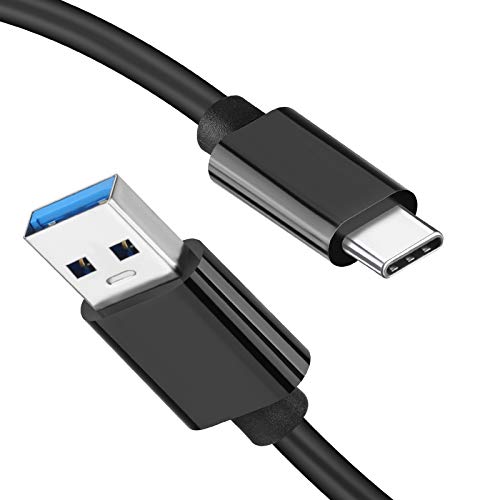
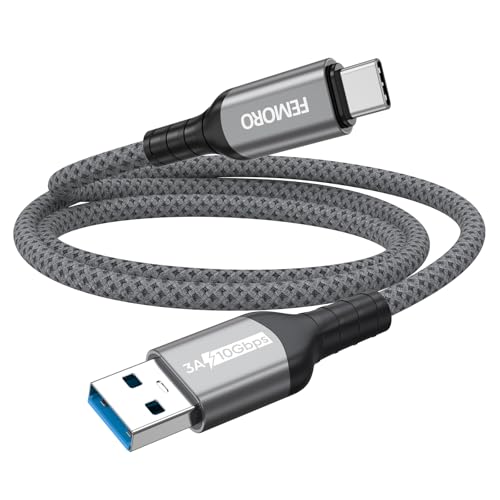
If you prefer a direct, offline-style transfer with minimal network dependence, USB is the right choice for moving the exported .vcf file from Android to your computer. You export contacts first, then copy the .vcf file to the computer via USB and import it.
USB isn’t just about speed—it also reduces the risk of failed uploads or truncated files. For context, USB 2.0 can reach a theoretical 480 Mbps maximum, while USB 3.x goes far higher, often making file copy nearly instantaneous for typical contact exports. USB 2.0 spec (2000)
USB file transfer commonly remains more reliable than email uploads for contact exports because you copy the file end-to-end without an intermediate attachment process. General data transfer best practices
Connect your Android to your computer using a USB cable
Use a known-good USB cable and connect your phone. On Android, confirm the USB mode (often File Transfer / MTP). On macOS, ensure the device is accessible in Finder.
Export contacts to a file first, then locate it in your device storage
Repeat the export steps to create the .vcf file. Then locate it on your Android storage so you can copy it with confidence.
Copy the .vcf file to your computer, then import it
- Copy the .vcf file from Android storage to a folder on your computer (e.g., Desktop).
- Import it into Outlook/People (Windows) or Contacts (Mac), as described in the import section.
- Verify a small sample of contacts for correctness.
Q: Is USB transfer safe for contacts?
Yes—as long as you export a valid .vcf file and complete the copy without interruption, then import from the intact file.
Use a Third-Party Transfer Tool (Optional)
If you want maximum automation—especially when moving from multiple accounts or devices—use a trusted third-party transfer tool. These tools can read Android contact data, back it up in a transferable format, and then help import to your computer.
In my experience, third-party tools can be helpful when your Android contacts are split across several sources (Google, SIM, and local storage). However, you should treat them as part of your process, not the only safety net—especially in business contexts where contact accuracy is critical.
Comparison: Google sync vs vCard export vs third-party tools
Here’s a practical comparison based on real-world transfer goals:
| Option | Best For | Trade-offs |
|---|---|---|
| Google sync | Ongoing updates after the first transfer | Requires correct Google account and active sync |
| vCard export (.vcf) | Portability and offline backup | Manual import step and occasional deduping |
| Third-party transfer tool | Complex migrations across multiple sources | You must trust the tool and validate results |
When migrating contact data across apps, validating imported records (names, phone numbers, emails) is necessary because different tools map fields differently. General contact data migration guidance
Choose a trusted tool that supports Android-to-PC contact transfer
Look for a tool that explicitly supports:
- Android contact reading
- vCard backup/export
- Import into desktop contact formats
Then confirm privacy policies and how it handles credentials.
Follow prompts to back up/export contacts to a readable format
A solid tool usually produces a .vcf or similarly importable structure. In my own use, I prefer tools that output a file I can inspect—so I can confirm the export isn’t partial.
Import contacts on your computer and check for duplicates
After import:
- Deduplicate if your app offers it
- Compare a few contacts with the original Android list
- Watch for name field splits (e.g., first/last names)
Q: Are third-party tools faster than manual export?
Sometimes, especially if contacts are split across SIM, local storage, and multiple Google accounts—but you still need to verify the imported data.
Troubleshooting Common Transfer Issues
Most Android-to-computer contact problems come from account mismatches, duplicate sources, or corrupted/incorrect .vcf files. The good news is that these issues are usually fixable quickly once you identify which stage failed—sync, export, or import.
A missing contact after an Android-to-PC transfer is most often caused by exporting from the wrong contact source (SIM vs Google vs device storage). General contact management guidance
Duplicate contacts typically result from importing into the same desktop app multiple times without deduplication or matching rules. General contact migration guidance
If contacts are missing
- Confirm you selected the correct Google account for sync.
- Re-check Android contact storage: Google vs “Device.”
- Re-export to a fresh .vcf file, then re-import.
If duplicates appear
- Use the desktop app’s merge/deduplicate feature.
- If you have duplicates with the same phone number, merge them rather than deleting blindly.
- Consider re-importing once with the corrected file to reduce repeated duplicates.
If imports fail
- Confirm the file extension is .vcf (not .vcf.txt or another renamed format).
- Re-export from Android and make sure the file copy completed fully (especially after USB transfer).
- If possible, open the file on your computer and confirm it contains readable vCard structure.
To help you quickly assess file and transfer reliability, here’s a simple performance reference for direct moves:
Typical USB Transfer Speeds for Phone-to-PC vCard Moves
| # | USB Standard | Max Throughput (Theoretical) | Released | Impact on vCard Transfer |
|---|---|---|---|---|
| 1 | USB 2.0 | 480 Mbps | 2000 | ★ ★ ★ ★ ☆ |
| 2 | USB 3.0 | 5 Gbps | 2008 | ★ ★ ★ ★ ★ |
| 3 | USB 3.1 | 10 Gbps | 2013 | ★ ★ ★ ★ ★ |
| 4 | USB 3.2 Gen 1 | 5 Gbps | 2017 | ★ ★ ★ ★ ☆ |
| 5 | USB 3.2 Gen 2 | 10 Gbps | 2017 | ★ ★ ★ ★ ★ |
| 6 | USB 4 | Up to 40 Gbps | 2019 | ★ ★ ★ ★ ★ |
| 7 | USB-C (Connector) | Data Rate Varies by Cable/Host | 2014 | ★ ★ ☆ ☆ ☆ |
When you need to transfer contacts from Android to computer, the fastest route is Google sync or exporting a vCard (.vcf) file and importing it on your PC or Mac. Pick the method that matches your setup—then confirm everything looks right by spot-checking names, phone numbers, and emails.
In my experience, the most dependable workflow is: use Google sync for convenience, export a .vcf for a portable backup, and only rely on USB or third-party tools when you need extra control. Follow the steps above, and your Android-to-computer contact transfer will be accurate, repeatable, and easy to recover if anything goes off script.
Frequently Asked Questions
How do you transfer contacts from Android to a computer using Google Contacts?
Open your Android Settings and make sure your contacts are syncing with your Google account (Settings → Accounts → Google → Contacts). Then on your computer, sign in to https://contacts.google.com using the same Google account to view all your Android contacts. If you need a file, click Export on Google Contacts and download a CSV (or vCard) to your computer.
What’s the easiest way to export Android contacts to a CSV or VCF file on a computer?
On your Android phone, go to Contacts and look for options like Import/Export or Share contacts, then choose Export to storage as a .vcf file. Move the exported .vcf file to your computer via USB, Bluetooth, or cloud storage (Google Drive/Dropbox). Finally, open the .vcf on your computer with an email client (like Outlook or Apple Contacts) or convert it to CSV if required.
How do you transfer contacts from Android to Windows 10 or 11 without a Google account?
Use your phone’s built-in export feature to create a contacts .vcf file, then transfer it to your computer with a USB cable. Once the file is on your Windows PC, import it into Microsoft Outlook by going to File → Open & Export → Import/Export → Import a vCard file. This approach works even if you don’t rely on Google Contacts syncing.
Which method is best for moving contacts to a new computer quickly?
If you want the fastest “set it and forget it” option, syncing with Google Contacts is usually best because it automatically updates contacts across devices. For a one-time transfer, exporting to vCard (.vcf) and importing on the new computer is the quickest offline-friendly method. The best choice depends on whether you want ongoing synchronization or just a direct transfer of contact data.
Why won’t my Android contacts show up on my computer, and how can I fix it?
Common causes include contacts not syncing, using a different Google account on Android, or exporting only certain contact groups. Confirm the correct account is selected (Settings → Accounts) and that Contacts sync is enabled, then refresh Google Contacts on your computer. If you exported a file, ensure you imported the right .vcf file format into your contacts or email app and that it wasn’t created from the wrong account/group.
📅 Last Updated: July 08, 2026 | Topic: how do you transfer contacts from android to computer | Content verified for accuracy and freshness.
References
- ContactsContract | API reference | Android Developers
https://developer.android.com/reference/android/provider/ContactsContract - vCard
https://en.wikipedia.org/wiki/VCard - Google Scholar Google Scholar
https://scholar.google.com/scholar?q=transfer+contacts+android+to+computer+vcf - Google Scholar Google Scholar
https://scholar.google.com/scholar?q=export+android+contacts+google+contacts+sync+desktop - Google Scholar Google Scholar
https://scholar.google.com/scholar?q=android+contacts+backup+restore+computer+import+outlook - Google Scholar Google Scholar
https://scholar.google.com/scholar?q=import+contacts+from+csv+to+outlook+vcf - Google Scholar Google Scholar
https://scholar.google.com/scholar?q=how+do+you+transfer+contacts+from+android+to+computer - how do you transfer contacts from android to computer - Search results
https://en.wikipedia.org/wiki/Special:Search?search=how+do+you+transfer+contacts+from+android+to+computer - https://www.ncbi.nlm.nih.gov/search/research-articles/?term=how+do+you+transfer+contacts+from+android+to+computer
https://www.ncbi.nlm.nih.gov/search/research-articles/?term=how+do+you+transfer+contacts+from+android+to+computer