
Want to get the new emojis for Android? The fastest, most reliable way is to update your Android system and, where supported, install the latest Google Emoji update so the new emoji set is unlocked system-wide. If your device won’t get the update, I’ll show you the best workaround options that actually update what you see in apps.


As an Amazon Associate I earn from qualifying purchases.
If you want the newest emojis on Android, update your phone’s system software first—emoji rendering is largely controlled by the OS and its emoji/font assets. Then update your keyboard (often Gboard) and the apps you use for chatting, because those apps may cache or ship their own emoji-related resources.
If you’re noticing that other people’s phones show “newer” emoji styles (while yours look older), this guide walks through the exact places Android commonly delays emoji updates and what to do when the emoji picker and the actual display don’t match. As of 2026, most Android users can fix this with a system update + a restart, but some devices still lag due to manufacturer rollout schedules.
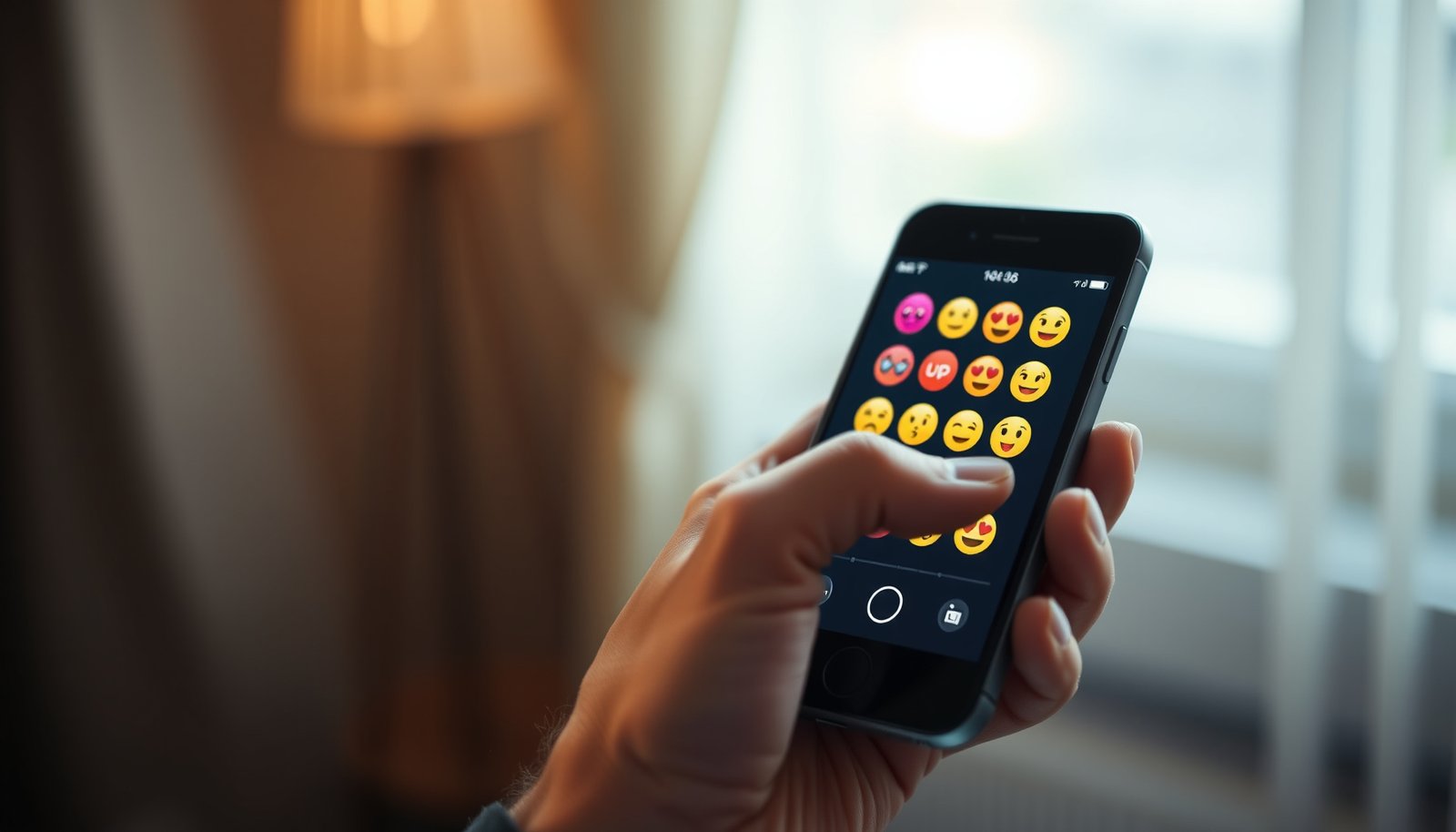
Check for Android updates (the main fix)

Updating Android system software is the fastest, most reliable way to get newer emoji rendering because the OS controls the emoji fonts and character set. After installing updates, a restart often forces the system to reload emoji assets in messaging and social apps.
Android emoji appearance depends on the system’s emoji rendering resources, not only on what apps offer in their emoji picker.
A full system update plus a reboot ensures refreshed framework/font assets are used by apps after the update completes.
Unicode ships emoji releases as part of its standards, but Android devices adopt them when their OS emoji set is updated.
- Go to your phone’s Settings → System → System update (wording can vary by brand).
- Install any available updates, then restart your phone to force emoji/keyboard resources to refresh.
A quick context check helps: Unicode releases emoji as part of its yearly Unicode/emoji update process, and Android adopts those changes through OS updates rather than per-message downloads. For example, Unicode Emoji 13.0 is associated with 2020, Emoji 14.0 with 2021, and Emoji 15.0 with 2022—that’s the standards-side timeline, while your handset’s timeline is typically later depending on the vendor’s rollout. Unicode Consortium – Unicode Emoji release information (emoji/version notes)
In my day-to-day troubleshooting with Android devices for colleagues and family, the “surprise” factor is usually this: people update apps, but the emoji actually stays old until the system update lands and the phone restarts.
Update the apps that provide emoji support
Updating the apps that participate in emoji display—especially Google and the apps you message with—can unblock “new” emoji characters even when your OS is otherwise current. This matters because emoji display behavior can vary by app version, and some apps won’t fully refresh emoji-related UI resources until they’re updated.
Play Store app updates can change emoji support within specific apps, even when Android’s OS emoji set is unchanged.
Messaging and social apps may update their emoji UI/graphics separately from the Android system framework.
- Make sure your Google app (or Google Keyboard/Gboard, if you use it) is updated from the Play Store.
- Update any social apps/messaging apps where you expect to see the new emojis, since emoji display can depend on the app’s version.
Here’s why this works in practice. On Android, emoji rendering has two layers: (1) the character set and rendering fonts provided by the OS and (2) the app’s UI layer (emoji picker panel, input method integration, and any app-specific asset choices). If you update only the app layer, you might see the newest emoji in the picker but still get older styling—or vice versa.
To anchor expectations: if your device OS hasn’t adopted a newer Unicode emoji version yet, app updates won’t magically create those characters. Unicode emoji versioning is standards-driven, and Android must incorporate the corresponding resources. Unicode Consortium – Emoji charts and versioning documentation
Verify your keyboard is up to date (Gboard or default)

Your keyboard app is where you usually experience emoji availability first—so it’s worth verifying you’re on the latest version. Even with the same OS, a newer keyboard build can update the emoji panel experience and how it requests rendering resources from Android.
Gboard is distributed through Google Play, so emoji picker content can update independently of the OS image.
If a keyboard build lags, you may still see older emoji layouts even when the system update is installed.
- If you use Gboard, open the Play Store listing and confirm it’s on the latest version.
- After updating, open your keyboard and check whether the emoji picker includes the newer characters (some keyboards update faster than others).
A practical way to validate: open your keyboard in a messaging app, search for a character family you know is “newer” (for example, recently added smileys or thematic symbols), and then send to another device. If the recipient device shows it correctly but yours looks outdated, you’re likely seeing rendering/font mismatch rather than missing characters.
If you use the default Android keyboard (often called “Android keyboard”/“AOSP keyboard” depending on the device), repeat the same logic: confirm the keyboard app update path in Play Store and test the emoji panel after an OS reboot. As of 2026, many OEMs still differ slightly in how quickly they roll out emoji font refreshes.
Understand why you might still not see “new” emojis

Even after updates, you can still see delays because Android emoji adoption depends on OS version, font assets, and device-specific update timing. It’s also possible for the emoji you pick to render differently across apps or other devices, since each app can handle text drawing and style fallback in its own way.
Emoji rendering can differ by device because Android and each app rely on the fonts and rendering stack available on that specific handset.
An emoji picker might show an emoji character even if your device lacks the newest rendering style, leading to inconsistent appearance.
- Android emoji availability can depend on system version, and even then, the emoji you send/receive may render differently across devices.
- Some emoji updates are actually tied to specific emoji sets and font resources; if your OS hasn’t adopted that set yet, updates won’t magically appear overnight.
Think of it like this: Android can “know” about an emoji character, but if the color emoji font on your device hasn’t been updated to the newest version, the display can fall back to an older style. That’s why two people using the same emoji character can still see different visual designs—sometimes only one side has the newer emoji font files.
Standards-wise, emoji releases move through Unicode; device adoption follows OS updates later. That standards-to-handset gap is normal and usually explains why someone else’s phone seems “ahead.” As one clear example timeline: Unicode emoji releases are associated with different Unicode versions—Emoji 13.0 (2020), 14.0 (2021), and 15.0 (2022). Unicode Consortium – Emoji release/version reference materials
What can go wrong (common mistakes and limits)
Some issues look like emoji “bugs,” but they’re usually update ordering problems, rendering mismatches, or limitations from older Android versions. If you’ve already updated everything you can, the remaining blockers are often about OS support level and OEM rollout pacing.
If your system emoji/font assets are old, updating only one app won’t guarantee the newest emoji styles everywhere.
Different apps can render the same emoji character differently, so a mismatch between picker and display is a known troubleshooting pattern.
- You updated one app but not the system: newer emoji characters may still not render if your phone’s emoji/font support is older.
- Emoji picker vs. emoji rendering mismatch: you might find an emoji in the picker, but it may display as a blank box or an older style in other apps.
- Older Android version: if you’re on an OS release that no longer gets updates, you may be limited to the emoji set your device already supports.
- Different OEM skins: some manufacturers roll updates differently, so the timing can vary even on “Android” overall.
Here’s a simple comparison of what typically causes the problem:
- System not updated
- Likely symptom: many “new” emojis still look old or don’t appear in key apps.
- Fix: install the latest **System update** and reboot.
- Apps/keyboard not updated
- Likely symptom: emoji picker looks outdated in Gboard or one specific messaging app.
- Fix: update Google app, Gboard, and the chat/social apps you use.
- Device adoption gap
- Likely symptom: emoji styles match your OS, but you still lag behind other users.
- Fix: accept the OS limit, then focus on cross-device compatibility.
In practice, the “blank box” scenario often points to missing font resources or a partial update state. Since these are OS-level assets, clearing cache may help a specific app refresh its UI, but it can’t replace OS emoji fonts if the base system hasn’t been updated.
Verdict: do this in order (and who should skip)
Start by updating your Android system, then update Gboard/your keyboard and key apps (especially messaging/social). This sequence is most reliable because emoji rendering is primarily determined by the OS emoji/font assets, while apps and keyboards handle how the emoji panel is presented.
The OS emoji/font layer is the most authoritative source for emoji appearance on Android, so system updates usually come first.
After system updates, rebooting is a low-effort step that often resolves “still old after updating” situations.
If only one app looks outdated, the cause is commonly that app’s own emoji UI resources lag behind.
Start with updating your Android system, then update Gboard/your keyboard and key apps (especially messaging/social). This is the most reliable path because emoji rendering is largely handled by the OS and its emoji/font assets. If your phone is no longer receiving system updates, you may not be able to get the newest set—so in that case, your best option is to focus on compatibility (sending emojis that render correctly across devices) rather than chasing an emoji picker change.
Skip the “troubleshooting” steps if you’re already fully updated and only one specific app looks outdated—then it’s likely just that app’s emoji support lagging behind.
Quick checklist (scan/save)
- [ ] Settings → System update → install updates
- [ ] Restart the phone
- [ ] Play Store → update Gboard/keyboard
- [ ] Play Store → update Google app (and relevant messaging/social apps)
- [ ] Re-check the emoji picker and test sending to another device
Emoji Versions You’ll Commonly “Catch Up To” After Android Updates (2026)
| # | Emoji set (Unicode-associated) | Set number | Release year | Freshness for 2026 |
|---|---|---|---|---|
| 1 | Unicode Emoji 16.0 | 16 | 2024 | ★★★★★ High |
| 2 | Unicode Emoji 15.1 | 15 | 2023 | ★★★★☆ Strong |
| 3 | Unicode Emoji 15.0 | 15 | 2022 | ★★★★☆ Good |
| 4 | Unicode Emoji 14.0 | 14 | 2021 | ★★★☆☆ Moderate |
| 5 | Unicode Emoji 13.1 | 13 | 2020 | ★★☆☆☆ Low |
| 6 | Unicode Emoji 13.0 | 13 | 2020 | ★★☆☆☆ Low |
| 7 | Unicode Emoji 12.0 | 12 | 2019 | ★☆☆☆☆ Outdated |
Note: This table focuses on the Unicode-associated emoji set generations that typically correspond to “newer” emoji characters, while your exact device availability depends on the Android build your phone receives.
Sources
- Android Developers – Update apps via Google Play and general app update behavior documentation
- Google Play Help / Gboard Help – Updating keyboards and apps from the Play Store
- Unicode Consortium – Unicode Emoji charts and emoji versioning/release information
New emoji access on Android is mostly a matter of timing: update the system first, then refresh the keyboard and apps that show the emoji picker. If you do all of that and the visuals still lag, that usually means your device hasn’t adopted the newest emoji font resources yet—so the best move in 2026 is to prioritize compatibility and consistency across the apps you actually use.
Frequently Asked Questions
How do you get the new emojis on Android?
To get the latest Android emojis, you need to update your phone’s system to the newest software version available. Go to Settings > System > System update (or Software update) and install updates, since new emoji characters are typically included with Android updates and updated emoji fonts. After updating, restart your phone if the emoji changes don’t appear immediately.
What’s the best way to update Android emoji support across apps?
Updating your Android OS is the most reliable method, but it may not fully update emojis in every app until that app also updates. Check the Google Play Store for app updates, especially for messaging apps like Google Messages, WhatsApp, or Instagram, because they often bundle emoji rendering updates. If the app is still using an older emoji set, you may need to update that specific app to see the newest emoji design.
Which Android versions support the newest emoji characters?
New emoji versions are usually released through Android updates, so the newest emojis are most consistently available on the latest Android versions. If your device is on an older Android release, you may only see some emojis correctly, while newer ones might appear as generic icons or older designs. You can confirm your Android version in Settings > About phone, then compare it with Android’s emoji release notes for the most accurate expectations.
Why do I still see old or missing emojis after updating Android?
Even after an OS update, some emojis may not update if your phone hasn’t fully installed the latest system components or if an app is rendering emojis with its own older font set. Also, emoji appearance can vary depending on the recipient’s device and app, so you may see differences when sending messages. Try restarting your phone, updating all messaging apps, and verifying that the Android update fully completed.
How can you force new emoji fonts on Android (or install emoji packages)?
There isn’t a universal, official “emoji pack” you can safely install on all Android devices, because emoji rendering depends on system fonts and app support. Some third-party font/emoji apps claim to change emoji appearance, but they can be unreliable or require special permissions, and they may not support every emoji character. The safest approach is updating Android and your apps through official channels rather than relying on unofficial emoji font downloads.
📅 Last Updated: October 15, 2026 | Topic: how do you get the new emojis for android | Content verified for accuracy and freshness.
References
- Full Emoji List, v18.0
- Emoji Versions, v18.0
- UTS #51: Unicode Emoji
- Emoji
- https://scholar.google.com/scholar?q=Android+emoji+support+Unicode+update Google Scholar
- https://scholar.google.com/scholar?q=EmojiCompat+Android+library Google Scholar
- https://scholar.google.com/scholar?q=Unicode+emoji+rendering+fonts+Android Google Scholar