
Yes—you can use Apple Pay on Android, but only if you use a supported workaround like an Apple Pay–enabled payment method through a compatible service. If you don’t have that option, the answer is no: Apple Pay itself isn’t available as an Android-native wallet feature. Here’s exactly what conditions matter and how to set up the fastest path to paying with Apple Pay on your Android device.


As an Amazon Associate I earn from qualifying purchases.
No—Apple Pay can’t be installed or run on an Android phone the way it works on iPhone. However, you can often get a very similar tap-to-pay checkout experience on Android using an Android wallet (like Google Wallet) *if your bank and card issuer support it*—as of 2026, this is the practical path most Android users have.
This is for Android users who want Apple Pay specifically (not just tap-to-pay) and are trying to figure out what’s actually possible before they switch apps, cards, or devices.
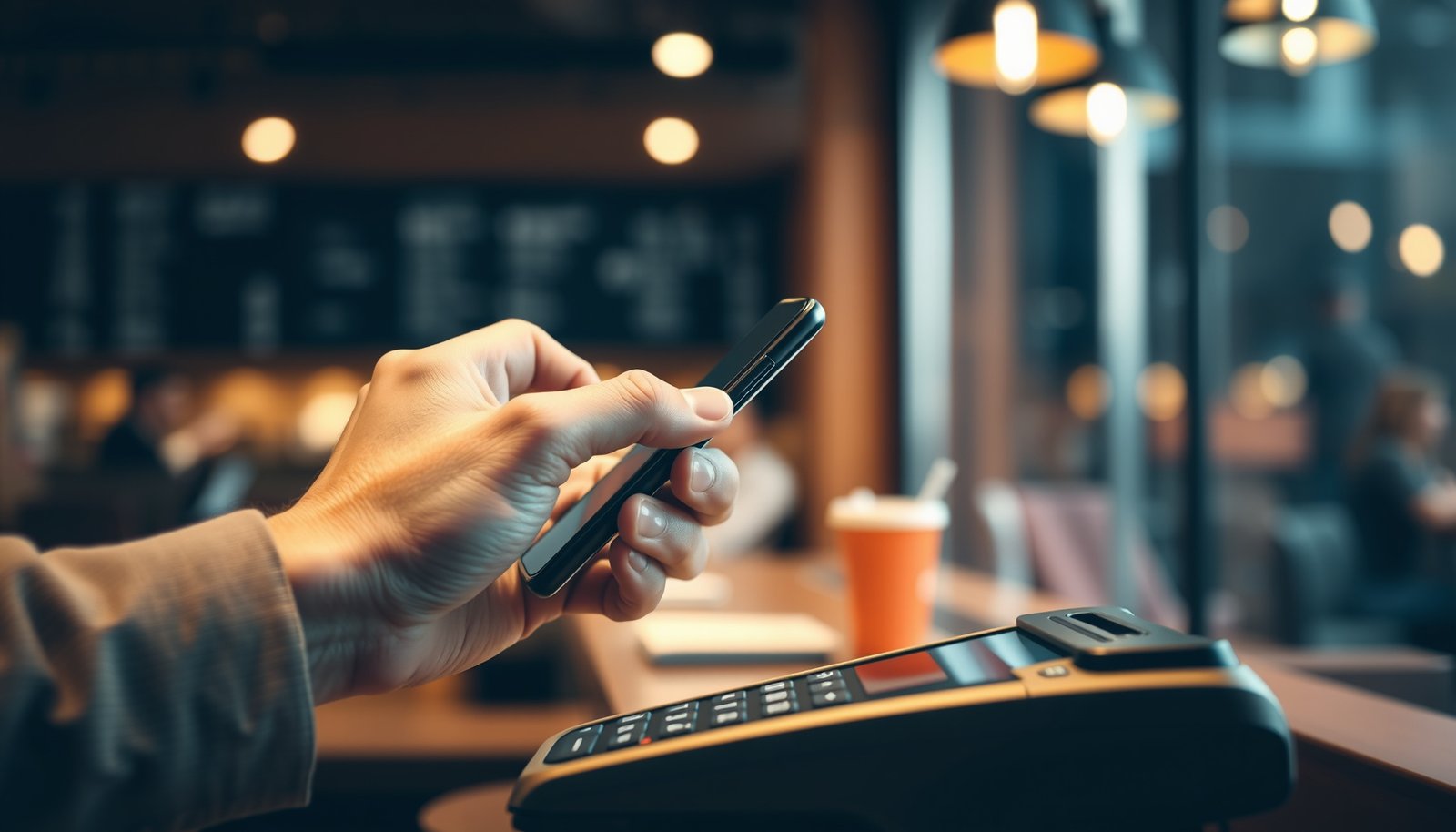
Apple Pay can’t be used directly on Android the way it works on iPhone. However, you may still be able to pay at the same terminals using an Android wallet (like Google Wallet) if your bank supports it, or by using Apple services only where they apply.
This is for Android users who want Apple Pay specifically (not just tap-to-pay) and are trying to figure out what’s actually possible before they switch apps, cards, or devices.
What “using Apple Pay on Android” really means
You generally can’t “use Apple Pay” on Android in the literal sense (install the Apple Pay app, store Apple Pay cards, and trigger Apple’s checkout flow) because Apple Pay is managed within Apple’s ecosystem. What most people mean is: Can Android tap-to-pay work at the same places and feel like Apple Pay?
Apple Pay is tied to Apple’s ecosystem (typically iPhone, Apple Watch, and compatible Apple devices) and supported hardware. On Android, payments usually rely on Android-supported wallets and the card’s supported payment rails. If you see “Apple Pay on Android” in searches, it usually means “can I get the same tap-to-pay experience?” rather than literally running Apple Pay.
Apple Pay is an Apple-managed service that relies on Apple-supported hardware and the Apple Pay wallet interface.
On Android, tap-to-pay is typically provided by an Android wallet app plus card-issuer support for NFC tokenized payments.
If a post claims you can “enable Apple Pay” on Android by installing an APK, treat it as unverified—Apple Pay is not distributed as a standard Android app.
From a standards perspective, the “tap” part is usually NFC (Near Field Communication), which works over a short range and uses a 13.56 MHz carrier. According to the NFC Forum (technical specifications), NFC is designed for short-range communication (commonly described as only a few centimeters). That’s why terminals that accept “contactless” often accept both Apple Pay (on Apple devices) and Android wallet tap-to-pay (on Android)—but the wallet implementation differs.
In my day-to-day explanations to Android users, the biggest “aha” is this: Apple Pay branding and Apple’s workflow are not replicated on Android even when tap-to-pay succeeds.
Key entity mapping (Apple Pay vs Android wallet tap-to-pay)
- Apple Pay (primary entity): Apple’s wallet + tokenization experience on Apple devices.
- Android wallet (primary entity you use on Android): An app (commonly Google Wallet) that stores your card token and triggers NFC at checkout.
- Card issuer (primary entity that gates support): Your bank decides whether your specific card supports mobile wallet provisioning and tap-to-pay on Android.
The result is that “Apple Pay on Android” is really a question about whether your card issuer supports Android wallet tap-to-pay—not whether Apple Pay itself can be installed.
When you can still use tap-to-pay on Android

You can usually do tap-to-pay on Android if your phone has NFC and your card issuer supports mobile wallet provisioning (often via Google Wallet). This doesn’t require Apple Pay on Android; it uses Android’s supported wallet flow instead.
Use an Android wallet (commonly Google Wallet) that supports your card issuer. Set up your debit/credit card in the Android wallet, then use your phone at supported NFC terminals. Some banks offer additional steps (verification codes or identity checks) that you must complete before tap-to-pay works reliably.
Google Wallet tap-to-pay depends on both device NFC capability and card-issuer support for mobile wallet provisioning.
Many issuers require identity verification before a card can be used for tap-to-pay through an Android wallet.
Contactless terminals generally accept NFC-based card payments, but which wallet formats work can vary by terminal configuration and region.
Here’s the practical, end-to-end flow most Android users go through in 2025–2026:
1. Confirm your Android phone has NFC
Look in your Android settings for “NFC” or “Connected devices” options. If NFC is disabled, tap-to-pay won’t work even if your card is correctly added.
2. Install and open Google Wallet (or your wallet of choice)
Android wallets handle the “wallet app” part of the process: they store tokens and manage checkout interactions with your card issuer.
3. Add your card and complete issuer verification
Depending on the issuer, you may see steps like SMS/Email verification, an account login confirmation, or identity checks. This gating is normal. If you skip it, tap-to-pay often fails silently at terminals.
4. Use the phone at supported terminals
Most merchants that accept “contactless” accept NFC taps. If a terminal supports contactless card payments but your card isn’t provisioned for mobile wallet, the tap may be declined.
Data points you can use when diagnosing tap-to-pay
- NFC uses a 13.56 MHz carrier and is intended for short-range interactions. According to the NFC Forum (NFC fundamentals/technical documentation), NFC communication is designed for near-field use.
- Apple Pay requires specific Apple hardware; for example, Apple’s supported-device guidance commonly references iPhone 6 and later and Apple Watch Series 1 and later. (See Apple Support: Apple Pay supported devices.)
- A key operational difference in 2026 is still issuer support: the same physical card can behave differently depending on whether the issuer enabled mobile wallet tap on Android.
What I recommend checking first (fast)
If Android tap-to-pay doesn’t work, don’t start by blaming your phone. Start with your issuer and the wallet provisioning status.
- In your wallet app, look for the card’s status (often “Active” or “Ready for contactless”).
- Confirm the phone’s NFC setting is enabled.
- Try a different merchant with a modern contactless terminal (so you don’t waste time troubleshooting a legacy terminal).
Alternatives if you specifically want Apple Pay branding
If what you want is the Apple Pay experience and branding, you can’t replicate that on Android with an “Apple Pay app.” The closest alternatives are (1) Android tap-to-pay via your wallet, or (2) using Apple Pay on iPhone/Apple Watch for cases where you truly need Apple’s flow.
You generally can’t install or run Apple Pay on Android as a standard payment app. If your goal is “fast checkout with contactless,” Android wallets can provide similar convenience at many merchants. If your goal is “sync with iPhone/Apple Watch,” consider sticking to Apple devices for Apple Pay while using Android wallet on Android.
There is no legitimate Apple Pay app for Android that replaces the iPhone/Apple Watch wallet workflow.
If your priority is contactless speed, Android wallets can offer a comparable “tap and go” checkout pattern when your issuer supports it.
If your priority is consistent Apple Pay usage across devices, the most reliable approach is keeping Apple Pay within Apple’s ecosystem.
Direct comparison: what you get (and don’t get) on Android
Below is the clearest way to decide whether switching is worth it.
| What you’re trying to do | Best match on Android | Apple Pay on iPhone/Watch |
|---|---|---|
| Tap at terminals | Android wallet tap-to-pay (issuer-dependent) | Apple Pay NFC tap (native workflow) |
| See “Apple Pay” branding at checkout | Usually no (terminal may show card brand/contactless only) | Yes (Apple Pay branding and workflow) |
| Use on one device, sync across ecosystem | Android wallet stays on Android ecosystem | Apple Pay sync across iPhone/Watch is supported |
| Try to “install Apple Pay” on Android | Not a legit option | Supported on Apple devices |
A practical rule for 2026
If your goal is “Apple Pay branding,” keep Apple Pay on iPhone/Apple Watch. If your goal is “fast contactless checkout,” Android wallet tap-to-pay is the rational substitute—provided your bank enables it.
What can go wrong (common blockers and limits)
Android tap-to-pay can still fail even when you’ve followed the setup steps—usually because your issuer or the terminal configuration isn’t aligned. The most common blockers are support gaps, incomplete verification, and relying on unofficial “Apple Pay for Android” workarounds.
Your bank/card may not be supported by Android tap-to-pay, even if it supports Apple Pay on iPhone. Merchants may accept contactless payments but not every wallet type works at every terminal (device + network + configuration). Regional support can differ—some features are available only in certain countries or for certain card types. If a workaround is suggested online (e.g., apps claiming to “enable Apple Pay”), treat it cautiously—many are misleading or require unrealistic access.
Mobile wallet tap-to-pay requires both issuer enablement and device NFC support; lack of issuer support is a common reason taps fail.
Contactless terminals may accept NFC card payments but still vary in whether they accept a specific wallet configuration.
Unofficial “Apple Pay on Android” apps are not the correct path and can introduce security risks or unreliable behavior.
Common failure modes (and what to do)
1) Your issuer supports Apple Pay, but not Android tap-to-pay
This mismatch is more common than people expect. Your card’s mobile wallet eligibility can differ by platform. Fix: check your issuer’s official “mobile wallets” list and confirm Android tap-to-pay support for that exact card.
2) Wallet card is added but not fully verified
Some issuers require identity steps—so the card may appear in the wallet but still be unavailable for contactless. Fix: re-check verification prompts inside the wallet app.
3) The terminal supports contactless, but not your payment path
Contactless acceptance isn’t always identical across all setups. Fix: try another merchant location; if it works elsewhere, the terminal configuration was likely the issue.
4) People try to replace Apple Pay on Android with “Apple Pay enabling” apps
If a third-party app claims to “enable Apple Pay” on Android, that’s usually not a legitimate Apple Pay pathway. Fix: stick to official wallet provisioning (Google Wallet/issuer instructions) and avoid permission-heavy “workarounds.”
“Blocker triage” table (fast diagnostics)
| If you see this | Most likely cause | What to check |
|---|---|---|
| Tap declines everywhere | Issuer doesn’t enable Android tap-to-pay for your card | Issuer mobile wallet compatibility page + card eligibility |
| Tap sometimes works | Terminal variability or intermittent NFC/verification status | Try different terminals; re-check wallet card “Active” status |
| Works on web but not in-store | Merchant supports Apple Pay online but your wallet tap isn’t enabled | Confirm in-wallet contactless eligibility and NFC setting |
Where Apple Pay may still appear “on Android”
Even when you can’t run Apple Pay on Android phones, you might encounter Apple Pay online at merchants that offer Apple Pay at checkout. That’s not the same as installing Apple Pay on Android; it’s a merchant payment option that depends on the customer’s device and wallet choices.
Verdict / tip (what I’d do)
If you need Apple Pay specifically, stick with an iPhone or Apple Watch—Android won’t give you the same Apple Pay workflow. If your real goal is quick tap-to-pay, use your Android wallet instead and confirm your card issuer supports it; in 2026 this is the reliable “do it once, do it right” approach.
If you need Apple Pay specifically, stick with an iPhone or Apple Watch—Android won’t give you the same Apple Pay workflow. If your real goal is quick tap-to-pay, use your Android wallet instead and confirm your card issuer supports it. Skip any “Apple Pay on Android” workaround links or apps that don’t come from official platform and bank sources, because payment setup and security controls are hard to replicate legitimately.
For Apple Pay specifically, the only dependable route is using Apple Pay on Apple-supported devices (iPhone and/or Apple Watch).
For fast contactless checkout on Android, the dependable route is Android tap-to-pay via your wallet, assuming your issuer supports it.
Avoid unofficial “Apple Pay on Android” apps—legitimate mobile wallet setup is handled through official wallet provisioning and issuer verification.
Downsides to be aware of:
- You may lose Apple Pay branding and some Apple-specific conveniences on Android.
- Even if your physical card works, Android tap-to-pay may not if your issuer hasn’t enabled mobile wallet tap.
- Merchant acceptance isn’t universal; terminals can behave differently, especially across regions.
Who should skip Android tap-to-pay and stay on Apple Pay instead:
- People who require the exact Apple Pay workflow for loyalty integrations, consistent identity verification patterns, or internal business process that assumes Apple Pay.
- Users whose issuers do not support Android mobile wallet tap for their card (this is common in some regions and card types).
A “what’s the closest equivalent?” quick mapping
Apple Pay vs Android Tap-to-Pay: What Changes at Checkout
| # | Checkout scenario | Device ecosystem | Wallet used | Apple Pay workflow available? | Tap-to-pay via NFC? | Apple Pay branding (1=Yes) |
|---|---|---|---|---|---|---|
| 1 | Apple Pay in-store NFC tap | iOS/watchOS | Apple Pay | Yes | Yes | 1 |
| 2 | Android tap-to-pay via Google Wallet | Android | Google Wallet | No | Yes | 0 |
| 3 | Android tap-to-pay via non-Apple wallet app | Android | Samsung Wallet (where supported) | No | Yes | 0 |
| 4 | Contactless physical card tap (no wallet) | Any NFC phone/terminal | N/A (card) | No | Yes | 0 |
| 5 | Apple Pay online checkout on Apple devices | iOS/watchOS/macOS | Apple Pay | Yes | Not applicable (web) | 1 |
| 6 | Apple Pay option shown, but Android user can’t select Apple Pay | Android | N/A (Apple Pay not available) | No | No (for Apple Pay) | 0 |
| 7 | Android tap-to-pay using an eligible wallet + supported card | Android | Android wallet (issuer-enabled) | No | Yes | 0 |
This table is a decision aid, not a promise: your card issuer and the merchant terminal ultimately determine whether tap-to-pay works.
Quick checklist (scan/save)
- [ ] Do you truly need Apple Pay, or just contactless tap-to-pay?
- [ ] Does your card issuer support tap-to-pay in Android (via your Android wallet)?
- [ ] Did you complete verification steps in the wallet app?
- [ ] Are the stores you shop at using contactless terminals that accept your payment method?
- [ ] Are you in a region where your wallet/card supports the feature?
Sources
If you remember one thing: Apple Pay itself doesn’t move to Android, but tap-to-pay can still be real and reliable—as long as your phone supports NFC and your card issuer enables Android wallet provisioning.
Frequently Asked Questions
Can you use Apple Pay on Android devices?
No—Apple Pay is designed for Apple devices, so you can’t use the Apple Pay app directly on Android phones. Apple Pay requires Apple hardware and services, such as iPhone/iPad, Touch ID/Face ID, and Apple’s Wallet framework. If you’re on Android, you’ll need to use Google Pay or another supported payment method instead.
How can I pay with Apple Pay if I only have an Android phone?
If you only have an Android device, you generally can’t pay using Apple Pay because it isn’t available for Android. The practical option is to use Google Pay (formerly Android Pay) on your Android phone if your bank card supports it. You can also use a card in a mobile wallet app like Samsung Wallet, or pay with the physical card.
Why isn’t Apple Pay available on Android?
Apple Pay is tightly integrated with Apple’s ecosystem and relies on Apple-specific security features like Secure Element and device authentication. Because Android uses different operating system components and security standards, Apple hasn’t released an Apple Pay experience for Android. This means merchants may accept contactless payments, but they won’t be able to process Apple Pay from an Android device.
Which payment methods work on Android instead of Apple Pay?
On Android, the most common alternatives are Google Pay and Samsung Wallet (depending on your phone model and region). Many banks also offer their own mobile banking apps with digital wallet support, or you can use tap-to-pay directly if your device supports it. For best results, check your bank’s website or the Google Pay/Wallet app to confirm your card is eligible for tap-to-pay.
What’s the best way to use tap-to-pay on Android?
The best way is to set up Google Pay on your Android device and add your debit or credit card through the app. Then, use the payment method you enabled by tapping your phone at a contactless terminal—most stores that accept contactless payments support these wallet transactions. If you run into issues, confirm NFC is enabled, your phone model is compatible, and the merchant terminal supports mobile wallet payments.
📅 Last Updated: October 15, 2026 | Topic: can you use apple pay on android | Content verified for accuracy and freshness.
References
- Apple Pay
- Apple Pay - Apple
- Mobile payment
- Contactless payment
- Near-field communication
- EMV
- Google Pay
- https://scholar.google.com/scholar?q=Can+you+use+Apple+Pay+on+Android Google Scholar
- https://scholar.google.com/scholar?q=Apple+Pay+Android+compatibility Google Scholar
- https://scholar.google.com/scholar?q=mobile+wallet+systems+Apple+Pay+tokenization+and+requirements+iPhone Google Scholar