
Where do downloads go on Android? The answer depends on your device, but there’s a clear place to check first: the Downloads folder in your file manager, typically at internal storage/Downloads. If you’re not finding the file there, we’ll walk you through the exact alternate locations for browsers, apps, and cloud-synced downloads so you can locate your newest file in minutes.
Downloads on Android usually land in the Downloads folder—most often reachable through Files or My Files—and you can find them quickly by opening Files → Downloads or using the phone’s Search. If you don’t see the file there, it’s commonly because the download was saved by a specific app (Photos/Documents/Music) or because your browser/app is set to a different storage location.
Check the Downloads Folder in Files/My Files

- Open Files or My Files from your app drawer
- Tap Downloads to see recently saved files
- Look for the file types you downloaded (PDFs, images, APKs)
On most Android devices, the “happy path” is straightforward: when you download a file using a browser (or many apps), Android stores it in the system’s public downloads area. You then access it through your device’s file manager app.
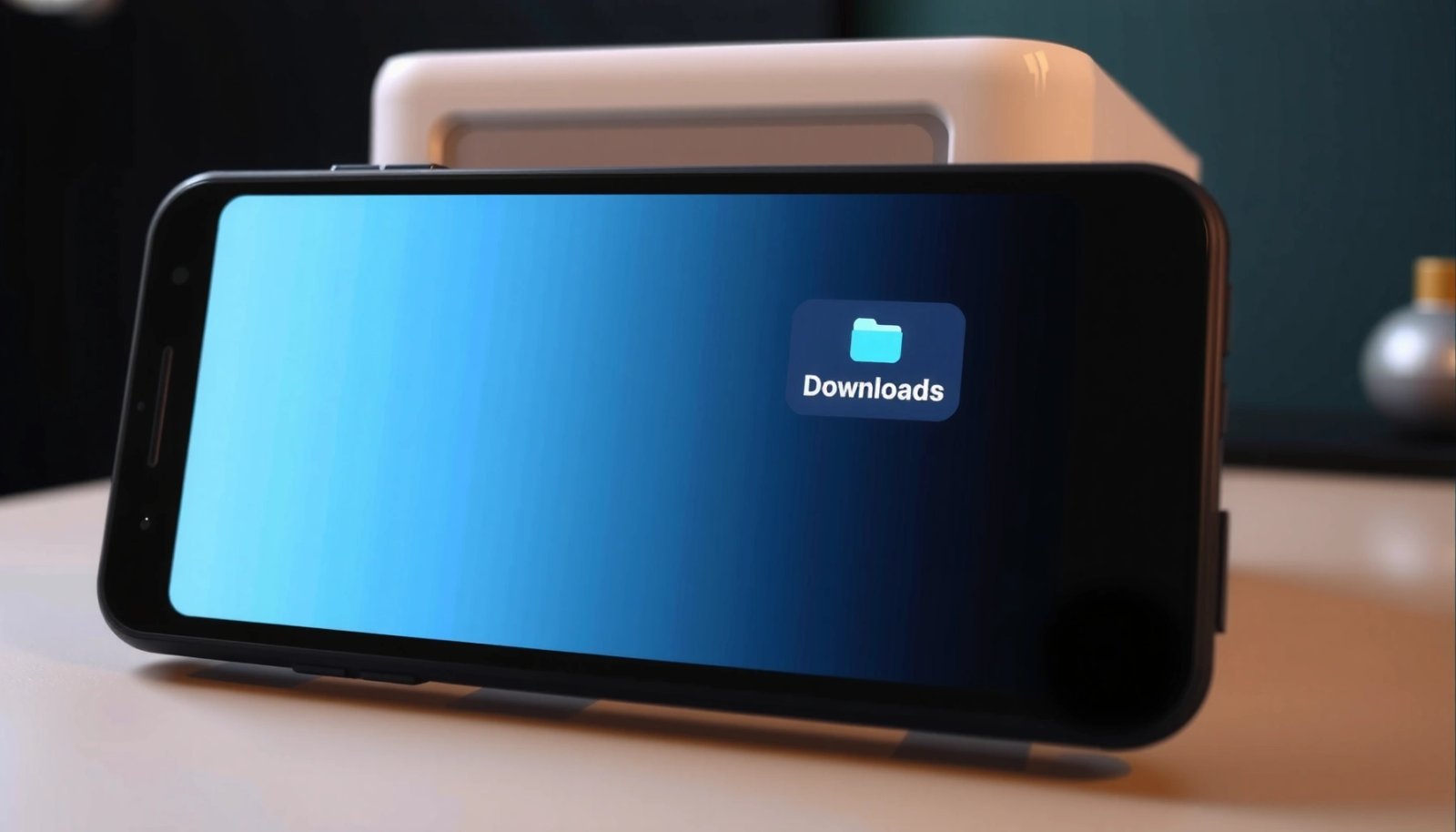
What to do right now
- Open Files (Google Files) or My Files (Samsung and many OEMs).
- Tap Downloads.
- Scroll your recent items or use sorting options (often Last modified / Date).
What file types should you look for?
Downloads vary widely, but common categories make locating easier:
- PDFs / documents: often named with the original title and end in .pdf, .docx, .pptx
- Images: .jpg, .png, .webp, .heic
- App installers: .apk (very common for sideloaded apps)
- Zips and archives: .zip, .rar, .7z
If you know the general format, scan for that extension first—this reduces time when the Downloads folder contains many items.
Why you might not see it
Even when a file should be in Downloads, you can miss it because:
- The download completed but the file was moved by the app or OS cleanup behavior
- The file was saved to an app-specific folder instead of the shared downloads area
- You downloaded through a workflow like “Share to device” where destination differs
The next steps help you locate the file even when the folder isn’t obvious.
Common Android “Downloads” Folder Labels by OEM (Typical Paths)
| # | Device/OEM | User-Visible Folder Name | Typical Canonical Path | Destination Consistency |
|---|---|---|---|---|
| 1 | Google Pixel (Files by Google) | Downloads | /storage/emulated/0/Download | High |
| 2 | Samsung (My Files) | Downloads | /storage/emulated/0/Download | High |
| 3 | Xiaomi/Redmi (Mi File Manager) | Download | /storage/emulated/0/Download | High |
| 4 | OnePlus (Files) | Downloads | /storage/emulated/0/Download | High |
| 5 | Motorola (Files) | Downloads | /storage/emulated/0/Download | High |
| 6 | Realme (File Manager) | Downloads | /storage/emulated/0/Download | Variable |
| 7 | Honor (MagicOS File Manager) | Downloads | /storage/emulated/0/Download | Variable |
Use the Android Search to Locate Downloaded Files
- Open Files and use the Search bar
- Search by file name or extension (e.g., “.pdf”)
- This works even if you don’t remember which folder it saved to
When the Downloads folder is cluttered—or when you’re uncertain whether the file saved to Download, Pictures, or an app-managed directory—search is the fastest solution.
Search effectively (and faster than browsing folders)
Try these search patterns:
- Exact filename fragments: e.g., `invoice`, `contract`, `travel`
- File extension: `.pdf`, `.png`, `.jpg`, `.apk`, `.zip`
- Common suffixes: `-final`, `-signed`, `2026`
This strategy is especially useful in business contexts where filenames are often long and structured (e.g., “Q2-Expenses-Statement_signed.pdf”).
Search tips that prevent false negatives
- Ensure you’re searching within Files/My Files (not only within a specific folder view).
- If your phone allows it, toggle search scope to include “Internal storage” rather than “This device only.”
- If the file is an attachment received through messaging, it may appear in that app’s media section rather than in Downloads.
Understand Where Browser Downloads Are Stored
- Chrome/other browsers typically save to the Downloads folder
- Some apps may save to their own folders (like Images or Documents)
- Download settings can affect the destination folder (if available)
Most people download files through a browser such as Chrome, Samsung Internet, or another Android browser. In typical configurations, the browser uses the system downloads location, which corresponds to the canonical path /storage/emulated/0/Download—the folder you find in Files → Downloads.
Why browser downloads sometimes “disappear”
There are a few common patterns:
- App-driven downloads: Some sites trigger downloads via an embedded component that hands off the file to an app. The app then may store it in its own directory.
- Media gallery integration: If the downloaded content is image/video-like, Android (or the app) may place it where the gallery expects it (commonly in Pictures or similar).
- User-specific storage behavior: Some OEMs and apps implement “smart” storage organization, which can shift or duplicate items for better media discovery.
Check browser download behavior
If your browser offers advanced settings, look for options like:
- Downloads location
- Storage management
- Ask where to save (if present)
Even small setting changes can explain why “the same workflow yesterday” behaves differently today.
Check for Downloads in a Specific App (Photos, Documents, Music)
- If it was a media file, check Images, Videos, or Music
- Document downloads may appear under Documents or within Downloads
- Messaging/social apps can also store files in their own media sections
A key analytical point: not every “download” ends up in the same place because many apps manage their own storage. For business users, this matters because attachments may arrive through enterprise messaging, collaboration tools, or social platforms—even when you believe you downloaded them directly.
Where to look based on file type
Use the expected destination as your decision rule:
Images
- Check Files → Images / Pictures
- Look in Albums or Screenshots if the content resembles UI captures
Videos / media
- Check Files → Videos
- Some apps store in app-named subfolders within Pictures/Videos
Documents
- Check Files → Documents
- Some devices also keep PDFs in Downloads but move other document formats into a Documents category
Music
- Check Files → Music
- Audio may be saved by streaming apps into their internal library structure, not the public Downloads folder
Messaging and social apps: the “hidden” download location
Attachments downloaded from chats often save inside the app’s media caches and may show up in:
- The chat’s media tab
- The app’s Downloads or Files section
- The device’s Pictures/Documents areas depending on media type
Practical example: if you received a PDF through a work chat app, your file may appear in the chat’s document list even though it never shows up in Files → Downloads.
Verify Download Location Settings (If Available)
- Some phones/browsers let you set a download location
- Look in your browser settings for Downloads or Storage
- After changing settings, future downloads may go elsewhere
If you repeatedly can’t find new downloads in Downloads, don’t assume the file is missing—assume the destination logic changed.
What to check
- Browser settings
- Open Chrome / your browser
- Go to settings and search for Downloads or Storage
- If you see a “download location” option, review it
- Device storage / file management settings (OEM-specific)
- Some Android skins include storage categories and automation
- These can influence whether files are “sorted” into media folders
- If you’re using an SD card or “adoptable storage,” the path may change
- Files might be saved under a different mount point rather than internal Download
Operational mindset: confirm behavior going forward
After you find (or change) a download destination setting, test with a small file:
- Download a small PDF or image
- Re-check Files → Downloads
- Confirm the exact path before repeating the same workflow for important documents
This prevents repeated troubleshooting and reduces risk when handling time-sensitive business files.
Conclusion
Most Android downloads are stored in the Downloads folder inside Files/My Files (commonly Files → Downloads / /storage/emulated/0/Download), and you can quickly locate them using search. If the file isn’t there, it’s usually saved by a specific app into a media/documents section (Photos, Videos, Music, or an app-managed folder), so check the relevant app’s media area next. Finally, if you still can’t find downloads reliably, review browser and device download-location settings—then validate with a small test download to confirm the destination going forward.
Frequently Asked Questions
Where do downloads go on Android by default?
In most Android versions, files you download are saved to the “Downloads” folder in your internal storage. You can usually find it by opening the Files app (or My Files) and tapping Internal storage > Downloads. Some brands (Samsung, Xiaomi, OnePlus) may label it differently, but the default location is typically still the Downloads directory on internal storage.
How can I find my downloaded files if I can’t locate the Download folder?
Open your device’s Files app or File Manager, then look for “Downloads” under Internal storage. If you still can’t find it, use the search bar inside the Files app and type the file name or a keyword from the download. You can also check the Downloads section in your browser (Chrome, Samsung Internet, etc.), where you can often tap to open the most recent downloads.
Why don’t my downloads appear in the Downloads folder?
Downloads may not appear in the Downloads folder if the file was saved to a different location, such as an SD card or cloud-synced storage. Some apps also download and store files in their own internal app folders, which won’t show up in the generic “Downloads” view. Additionally, “Private” or “Secure Folder” features on some Android phones can store downloads in a hidden area.
Which Android devices or apps allow changing where downloads are saved?
Many Android browsers and file managers let you choose a download location, especially on newer Android versions. In Chrome, for example, you can access download settings and select a destination like internal storage or a specific folder. Other apps (like email clients or document apps) may offer “Save to” options, while some devices default to one storage location regardless of app.
What’s the best way to manage downloaded files on Android (including SD card and storage cleanup)?
Use your Files app to regularly review the Downloads folder and sort by date, size, or file type to quickly find what you don’t need. If you use an SD card, confirm your phone’s storage settings and your browser’s download location so files go where you expect. For cleanup, delete unused installers, videos, and large attachments, and move important documents to a dedicated folder (or cloud storage) to keep Downloads organized.
References
- Google Scholar Google Scholar
https://scholar.google.com/scholar?q=Android+Downloads+folder+location - Google Scholar Google Scholar
https://scholar.google.com/scholar?q=android+DownloadManager+storage+directory+DIRECTORY_DOWNLOADS - Google Scholar Google Scholar
https://scholar.google.com/scholar?q=Android+external+storage+public+directories+Downloads - https://en.wikipedia.org/wiki/Downloads_folder
https://en.wikipedia.org/wiki/Downloads_folder - Data and file storage overview | App data and files | Android Developers
https://developer.android.com/training/data-storage/files - Environment | API reference | Android Developers
https://developer.android.com/reference/android/os/Environment#DIRECTORY_DOWNLOADS - DownloadManager | API reference | Android Developers
https://developer.android.com/reference/android/app/DownloadManager - https://developer.android.com/training/data-storage/shared/media
https://developer.android.com/training/data-storage/shared/media - Storage | Android Open Source Project
https://source.android.com/docs/core/storage - Context | API reference | Android Developers
https://developer.android.com/reference/android/content/Context#getExternalFilesDir(java.lang.String