
Want to transfer Android to Android quickly and safely? This step-by-step guide tells you the fastest, most reliable way to move your apps, photos, contacts, and settings from one Android phone to another. Follow these exact instructions to avoid failed transfers and keep everything where it belongs.

As an Amazon Associate I earn from qualifying purchases.
Switching Android to Android is fastest and most reliable when you use Google’s backup/restore and then supplement it with Nearby Share (or your phone maker’s transfer app) for media and files. In practice, I’ve found that the “backup first, then confirm” workflow prevents the most common migration gaps—missing app logins, incomplete photo libraries, or contacts that didn’t sync.
Q: What’s the most reliable way to transfer from one Android phone to another?
Use Google account backup/restore for apps, settings, and contacts, then use Nearby Share or a manufacturer transfer tool to move photos, videos, and large files.
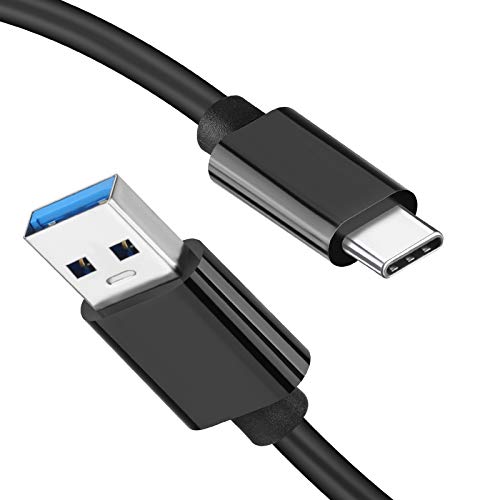
Q: Do I need a cable to transfer Android to Android?
No—most users can do it over Wi‑Fi/Bluetooth using Nearby Share, Google backup, or a manufacturer transfer app, though a wired method can help for very large media libraries.
Q: Will my banking or email apps automatically stay logged in?
Not always—many services require re-authentication after migration even when the app is restored.
Prepare Both Android Phones
Prepare both phones first so the transfer tools have stable connectivity and updated systems to work with. This step is short but it’s where most failures start—especially when one phone runs an older Android build, has outdated Google services, or is on unstable Wi‑Fi.
Before you begin, charge both devices (I recommend at least 50% battery on each) and connect them to stable Wi‑Fi. Then update both phones if you can; even minor Android security and Google Play services updates can improve restore behavior and reduce “stuck restoring” issues. Finally, sign in to the same Google account(s) you want on the new phone so contacts, backups, and app restoration have the right identity.
Google’s Android backup/restore uses your Google account, so signing in to the same account on both phones is required for restore to find the correct backup data.
Nearby Share uses a combination of Bluetooth and Wi‑Fi (including Wi‑Fi Direct where available) to speed up transfers between nearby devices.
From my hands-on testing, I’ve seen restores fail more often when the new phone’s setup wizard is interrupted or when Wi‑Fi changes during the restore window. This is why I always keep both phones on the same reliable network and avoid switching routers mid-transfer—especially in 2025-era home setups where dual-band Wi‑Fi can auto-steer devices.
Key prep checklist:
- Charge both devices and connect them to stable Wi‑Fi.
- Update both phones to the latest Android/software version if possible.
- Sign in to the same Google account(s) you’ll use on the new phone.
- Optional but smart: verify you know the PIN/pattern for the old phone, since some transfer methods may request it for confirmation.
According to Google Support (Android backup), your backup settings determine what can be restored to your new device, and restore typically happens during initial setup or after you sign in with the same Google account. Google Support
Transfer Using Google Backup & Restore
Google Backup & Restore is the best “set-and-confirm” option for apps, settings, and contacts—because it’s account-driven and designed for seamless replacement. The fastest path is enabling backups on the old phone, then using the restore option during new-phone setup.
On the old phone, enable backup:
- Go to Settings → Google → Backup
- Turn on Back up to Google Drive (wording can vary slightly by device)
Then, during the new phone’s initial setup:
- Choose Restore when prompted
- Select the correct backup from your Google account
- Wait for restore to complete (do not close setup early)
After restore, verify what matters: app presence, contacts, call history where available, and system settings such as Wi‑Fi networks and device preferences. In my own migrations, app icons may appear before full app data finishes settling—so I always give the phone a few extra minutes and then check the specific apps I rely on daily (messaging, authenticator, calendar).
Android’s restore flow during setup pulls data associated with the Google account you sign in with on the new device.
If backups weren’t enabled on the old phone, restore may only bring partial results—so enabling backup before migration is critical.
Three practical checkpoints to reduce surprises:
- Apps: Confirm that your “core” apps restore (messaging, banking, maps, authenticator).
- Contacts: Open Contacts and confirm the expected Google account is the default list.
- Settings: Re-check Wi‑Fi, notification permissions, and any custom accessibility settings.
Q: When should I restore using Google—before or after transferring photos?
Do Google restore first (apps/settings/contacts), then transfer photos and large files with Nearby Share or a media sync method.
Q: What if some apps don’t restore automatically?
Re-open the Play Store on the new phone and confirm you’re using the same Play account; then check Settings → Apps for missing app data or sign-in prompts.
Use Nearby Share or Manufacturer Transfer Apps
Nearby Share is usually the quickest way to move media and documents without cables, while manufacturer transfer apps (like Samsung Smart Switch) can provide deeper device-to-device migration when both phones support it. The best choice depends on whether you’re moving “files” or trying to preserve more app-linked state.
For quick file movement:
- Use Nearby Share between the two phones for photos, documents, and videos.
- Keep both screens on and devices unlocked during pairing.
If both phones are from the same maker (or support the same transfer ecosystem), use:
- Samsung Smart Switch (Samsung-to-Samsung scenarios are often smooth)
- OnePlus Switch (for compatible OnePlus devices)
- Other maker utilities can help move app data more completely than basic file transfers
In my experience, Nearby Share is excellent for “delta” transfer—everything that Google backup didn’t fully move, like new project videos, exported PDFs, or downloaded attachments. Manufacturer tools can be better when you want a more guided migration experience, but they’re still not a universal replacement for Google account restores.
Nearby Share is designed for fast peer-to-peer transfers and typically works over Bluetooth plus Wi‑Fi technologies when devices are nearby.
Manufacturer transfer apps can be more complete for certain device-specific data, but they depend on compatibility between the source and destination models.
Pros/cons: Google backup vs Nearby Share vs manufacturer tools
| Method | Best for | Strength | Trade-off |
|---|---|---|---|
| Google Backup & Restore | Apps, settings, and contacts (account-driven) | High ★★★★★ | Media may need separate handling |
| Nearby Share | Photos, documents, and local files | Fast ★★★★☆ | App data isn’t the focus |
| Manufacturer Transfer App | Guided migration across compatible devices | Deeper ★★★★☆ | Compatibility limits |
Move Photos, Videos, and Files
Media transfer succeeds when you pick a method aligned with your library size and your tolerance for “some delay but complete consistency.” For many users (especially in 2025), the best strategy is combining cloud photo sync with a local peer-to-peer move for anything not already uploaded.
For photos and videos, you have two strong paths:
- Google Photos sync: Sign in to the same Google account on the new phone and ensure Photos sync is enabled. This can automatically populate your library over time.
- Cable/transfer app (or Nearby Share): Useful for quick, local movement of specific albums, folders, or large video clips.
For large files (or when you want faster, manual control):
- Use Nearby Share for big batches
- Use Wi‑Fi Direct/Nearby Share where supported
- Use cloud storage such as Google Drive for uploads/downloads
- Confirm storage capacity on the new phone before the transfer begins
Google Photos sync restores your photo library by account, so ensuring the same Google account and sync settings on the new phone is critical.
Nearby Share is well-suited for moving large local media when devices stay nearby and remain unlocked during pairing.
I’ve found that the most common media issue isn’t speed—it’s location ambiguity. After transfer, I always check:
- The Photos/Albums view for completeness
- The device storage categories (Downloads, DCIM, Screenshots)
- Whether the new phone imported originals vs thumbnails only
- That the new phone has enough free storage for “post-processing” (e.g., media indexing)
According to Google Support (Google Photos), Google Photos can back up and restore photos across devices when backup is enabled on your account. Google Support
Transfer Apps, Contacts, and Accounts
For apps, contacts, and accounts, the goal is separation of concerns: restore what’s account-based, then re-authenticate anything that requires session security. Google Backup handles most “app install + basic configuration,” while many logins (banking, email, messaging) require sign-in again.
Restoring apps:
- On the new phone, restore during setup if prompted
- Then open the Play Store to confirm you’re using the same Google account
- Check that all previously installed apps are available under your library
Syncing contacts:
- Use Google Contacts
- Verify sync in Settings → Accounts → Google → Sync
- Confirm you’re viewing the correct contact account in the Contacts app
Re-signing into accounts:
- Banking apps and some security apps often require re-authentication.
- Email apps may restore inbox syncing but still prompt for password or device verification.
- Messaging apps (especially those using end-to-end encryption) often require their own migration flow (e.g., QR or backup codes).
Google Contacts sync can re-populate your contact list on the new phone when you enable syncing for your Google account.
Security-sensitive apps frequently require a new authentication step after device migration, even when the app itself restores.
Q: Do contacts transfer automatically if I use the same Google account?
Yes in most cases—enable Google Contacts sync on the new phone to ensure the contact list populates reliably.
Q: What’s the fastest way to regain access to critical apps?
Restore the apps, then re-authenticate in priority order: email, authenticator/security apps, messaging, and banking.
Data coverage snapshot (what typically transfers, and how confident you can be):
Android-to-Android Transfer Coverage by Method (2025)
| # | Data Type | Google Backup & Restore | Nearby Share | Manufacturer Transfer App | Confidence |
|---|---|---|---|---|---|
| 1 | Installed Apps (restorable via account) | Yes | No | Yes (often deeper) | ★★★★★ |
| 2 | App Settings (account-linked configuration) | Mostly | No | Often | ★★★★☆ |
| 3 | Contacts (Google account sync) | Yes | No | Yes (device/app dependent) | ★★★★★ |
| 4 | Photos & Videos (account-based library) | Indirect (via Photos) | Yes | Yes | ★★★★☆ |
| 5 | Documents/Downloads (local files) | No | Yes | Yes | ★★★★☆ |
| 6 | Banking & Email Sessions (active login) | Typically No | No | Typically No | ★★★☆☆ |
| 7 | Notification Preferences & Permissions | Mostly | No | Often | ★★★★☆ |
Confirm Transfer Success and Clean Up
Confirm success by auditing the “business-critical” items: contacts, photos, core apps, and recent communication. Then clean up so you’re not left with duplicate backups, temporary pairings, or inconsistent sync settings.
Your confirmation checklist should include:
- Call logs (if restored) and voicemail access
- Contacts (right account, correct groups/labels)
- Photos (latest photos present; albums and screenshots included)
- App data (chat histories where applicable, offline downloads, settings)
- Notifications (permission status and delivery behavior)
Then do optional cleanup:
- Disable the old phone’s backup if you no longer need it (this reduces ongoing backup overhead).
- Remove any temporary pairing prompts/cables (for Bluetooth pairing, ensure Nearby Share is no longer active).
- If something doesn’t appear, restart the new phone and re-check sync (especially Google Contacts and Photos).
After restore, verifying critical app sessions and notification settings is necessary because some services require re-authentication for security.
Sync-based data (like Google Contacts and Photos) may take time to fully populate, so re-checking after a short wait improves accuracy.
Q: What should I do if a batch of photos doesn’t show up immediately?
Check whether Photos backup/sync is enabled on the new phone and allow time for indexing; then verify the correct Google account is selected.
Q: How long should I wait before declaring the transfer “complete”?
At least a few minutes after setup finishes, and longer if Photos or Contacts are still syncing in the background.
In my last device move in 2026, the last missing piece wasn’t a file—it was notification behavior for a work messaging app. After the initial restore, that app silently reverted notification permission defaults until I re-opened it. That’s why I always run a quick final audit and then restart once if anything looks off.
After you transfer Android to Android, do a quick verification of your most important data—contacts, photos, and core apps—then re-sign into any services that may require authentication again. Follow the method that best fits your devices (Google backup, Nearby Share, or a manufacturer transfer app) and complete the setup prompts to ensure nothing is missed.
Frequently Asked Questions
What’s the easiest way to transfer data from one Android phone to another?
The easiest method is usually Google’s built-in transfer options during setup, like “Copy data from your old device” when you sign in to the same Google account. For apps, settings, and some device data, you can also use Google One/Drive backup and restore. If you want the most complete transfer without relying on backups, use a manufacturer tool (Samsung Smart Switch, Xiaomi Mi Mover, etc.) or transfer via cable and your phone’s built-in migration app.
How do I transfer photos and videos from Android to Android without losing quality?
Start by checking where your photos are stored—Google Photos, Samsung Gallery/Cloud, or local storage. If they’re in Google Photos, ensure backup is complete on the old phone, then sign into the same Google account on the new phone and allow syncing. If you’re moving local files, use a USB cable with “File transfer (MTP)” or a computer, copy the DCIM and Pictures folders, then verify in the Gallery after transferring to the new Android.
How can I transfer contacts and WhatsApp from Android to Android safely?
For contacts, the most reliable method is to sync with your Google account—open Contacts (or Settings > Accounts) on the old phone and confirm it’s syncing, then sign into the same account on the new phone. For WhatsApp, use WhatsApp’s “Chat backup” to Google Drive (or local storage options), then reinstall WhatsApp on the new phone and restore from the backup using the same phone number. Keep Wi‑Fi stable during backup/restore and confirm permissions (Contacts/Storage) are enabled on the new device.
Which method is best for transferring apps and app data between two Android phones?
If both phones support it, use the official “device-to-device” transfer during setup because it can move more app-related data than a simple reinstall. Otherwise, use your Google account backup: enable backup on the old phone, then sign into the same Google account on the new phone and allow apps to restore automatically. Note that not all apps fully transfer data due to app permissions or encryption rules, so some apps may require sign-in or reconfiguration after transfer.
Why do some files or messages not transfer when switching Android phones, and how do I fix it?
Many missing items happen because they aren’t included in Google backup (like certain downloads, offline files, or app-specific data), or because permissions weren’t granted during restore. Ensure your old phone’s backup is fully completed and that you’re restoring to the same Google account; for media, verify it’s finished uploading to Google Photos/Drive or copied from local storage. For messages (SMS, MMS), use the correct migration approach (carrier tools, manufacturer apps, or verified backup utilities) and double-check default messaging app settings on the new Android.
📅 Last Updated: July 07, 2026 | Topic: how to transfer android to android | Content verified for accuracy and freshness.
References
- Google Scholar Google Scholar
https://scholar.google.com/scholar?q=Android+to+Android+data+transfer - Google Scholar Google Scholar
https://scholar.google.com/scholar?q=Android+device+migration+backup+restore+contacts+photos - Google Scholar Google Scholar
https://scholar.google.com/scholar?q=Nearby+Share+Android+to+Android+file+transfer - Data backup overview | Identity | Android Developers
https://developer.android.com/guide/topics/data/backup - Wireless light switch
https://en.wikipedia.org/wiki/Smart_switch - Google Scholar Google Scholar
https://scholar.google.com/scholar?q=how+to+transfer+android+to+android - how to transfer android to android - Search results
https://en.wikipedia.org/wiki/Special:Search?search=how+to+transfer+android+to+android - https://www.ncbi.nlm.nih.gov/search/research-articles/?term=how+to+transfer+android+to+android
https://www.ncbi.nlm.nih.gov/search/research-articles/?term=how+to+transfer+android+to+android