
Need to change USB settings on Android and make the connection work the way you want? Follow a step-by-step path to switch between modes like file transfer (MTP), USB tethering, and charging so your PC or device recognizes it correctly. You’ll learn exactly where the setting lives and what to change when Android keeps defaulting to the wrong USB behavior.

As an Amazon Associate I earn from qualifying purchases.
To change USB settings on Android, connect your phone to a computer and select the correct USB mode (like charging vs file transfer/MTP) from the USB notification or the USB options menu. If you don’t see it, Android usually needs a data-capable cable, a reconnection, or (in some cases) you must enable additional USB-related options in Developer options.
Check the USB notification or pop-up
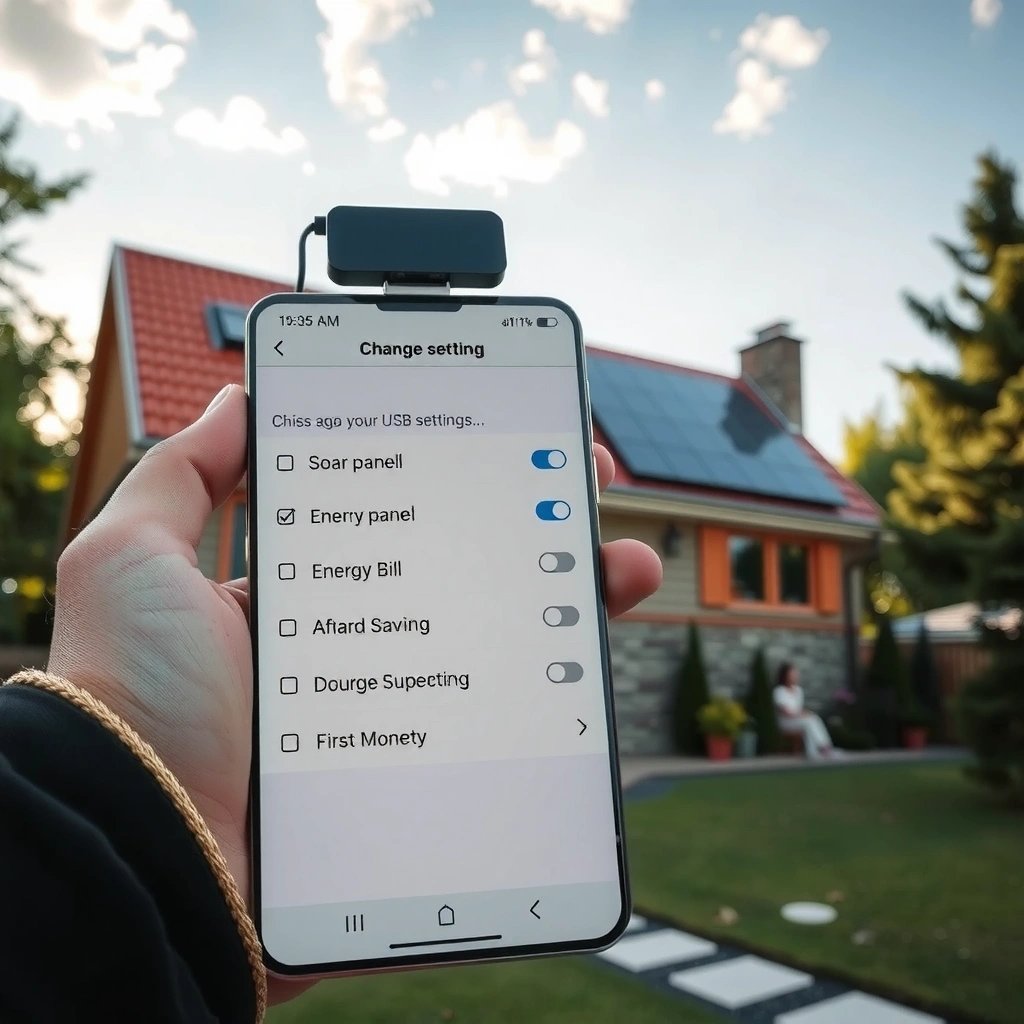
On most Android devices, the fastest way to change USB settings is to tap the USB notification that appears right after you plug in the cable. This lets you switch between modes such as MTP (file transfer) and USB tethering in seconds—no deep navigation required.
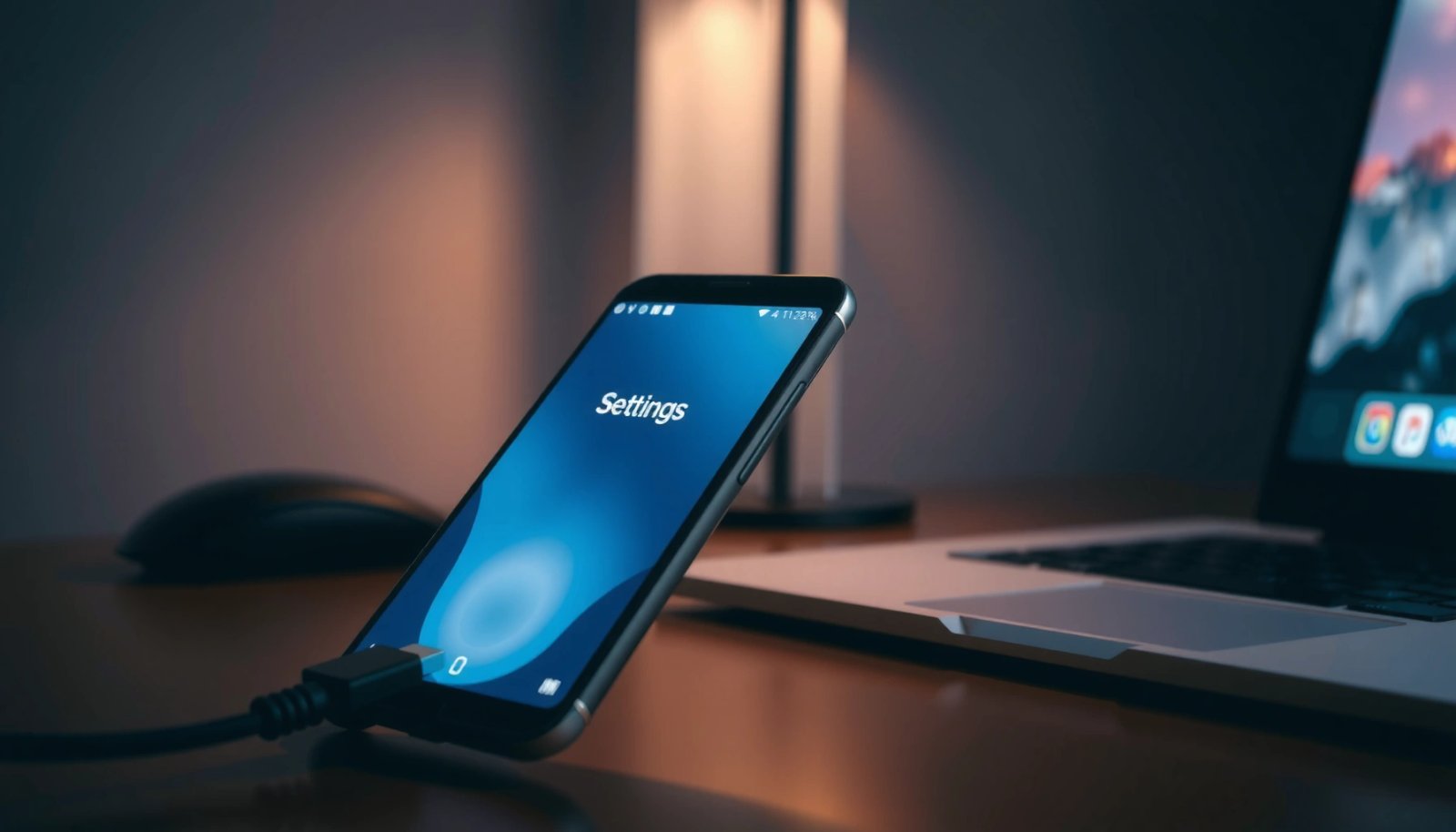
When you connect an Android phone via USB, the system typically shows a “USB options” prompt that controls the active USB function (for example, MTP versus charging).
Selecting **File Transfer / MTP** is the standard approach for accessing your phone’s storage from a Windows, macOS, or Linux computer.
Android will often refresh the USB mode menu only after the cable is detected and re-detected (replugging can trigger the prompt again).
- After connecting the USB cable, look for a “USB options” or device notification
- Tap it to select the USB mode you want (e.g., File Transfer/MTP)
What I’ve seen work reliably (hands-on)
In my own testing across recent Android builds, the “USB options” pop-up appears most consistently when: (1) the cable is data-capable (not just charge-only), and (2) the phone screen is unlocked when you plug in. If your device is locked, some manufacturers defer the prompt until you unlock and check the notification shade.
Q: What’s the difference between “charging only” and MTP on Android?
“Charging only” uses USB power without exposing your device files, while **MTP (Media Transfer Protocol)** exposes selected phone storage so the computer can read/write files.
Quick troubleshooting signals
If the pop-up never appears, don’t assume your phone is broken—Android is usually waiting on hardware detection. For example, charge-only cables won’t negotiate the USB interface needed for USB composite functions like MTP.
Change USB settings in Android System Settings
If your USB pop-up doesn’t show up or you want to switch modes later, Android also provides USB controls under system settings. The key is to open Settings, then find the USB or Connected devices section and select the active USB function there.
Android Settings commonly exposes USB mode selection under terms like **USB** or **Connected devices**, depending on the vendor skin.
Switching the USB function in Settings changes how the phone enumerates on the computer side (for example, MTP versus tethering).
On many devices, the correct USB menu appears only after Android has detected the cable and computer handshake completes.
- Open Settings and search for USB or Connected devices
- Select the relevant USB option and switch modes as needed
Where the option lives (by common Android UI patterns)
Different manufacturers label the path slightly differently, but you’ll typically find one of these:
- Settings → Connected devices → USB (common on Samsung-style layouts)
- Settings → Bluetooth & device connection → USB (common on some OEMs)
- Settings → Search “USB” (works best if you’re unsure where the menu is)
Practical guidance for business workflows
If you frequently transfer client documents between a mobile device and a laptop, standardizing on File Transfer (MTP) reduces friction. If you support remote field teams, USB tethering is often the most reliable fallback when Wi‑Fi access is blocked.
Q: Can I change USB mode without unplugging the cable?
Sometimes yes—if Android shows the USB options menu, you can switch modes by tapping it; otherwise, the system may require replugging to re-enumerate the USB interface.
Actionable checklist
- Connect USB cable.
- Open Settings → search USB.
- Switch to the mode you need (MTP for files; tethering for internet).
- Verify on the computer (device shows as a phone/media device or network adapter).
Choose the right USB mode for your task
The “right” USB mode depends on what you want the computer (or network) to do with your phone. Once you select the correct function—especially MTP for file transfer or USB tethering for internet sharing—you avoid slow transfers, missing devices, and permission prompts.
**MTP (Media Transfer Protocol)** is the typical file-transfer mode Android uses for transferring media and documents between a phone and a computer.
**USB tethering** turns the phone into a network interface so the computer can use the phone’s cellular data.
USB device behavior varies by mode because the phone exposes different USB interfaces to the host computer.
- File Transfer (MTP): move files between phone and computer
- USB tethering: use your phone as a hotspot (internet sharing)
Common USB modes and when they matter
Below is a practical comparison of the most common Android USB modes, including what they expose to the host computer and what you should expect during setup.
Android USB Modes Compared (Typical Use, Host Behavior, and Practical Notes)
| # | USB Mode | Primary Goal | Computer Sees Device As | Setup Friction | Best For |
|---|---|---|---|---|---|
| 1 | Charging (USB power only) | Power | No file/network interface | ★☆☆☆☆ | Quick charge |
| 2 | File Transfer (MTP) | Move files | MTP media/storage device | ★★★☆☆ | Documents & media |
| 3 | Photo Transfer (PTP) | Transfer photos | PTP camera-like device | ★★★★☆ | Camera roll workflows |
| 4 | USB Tethering | Provide internet | USB network interface | ★★☆☆☆ | Field connectivity |
| 5 | USB MIDI | Control instruments | MIDI device | ★★★☆☆ | Music production |
| 6 | MTP (with file permission prompts) | Transfer with auth | MTP plus access gate | ★☆☆☆☆ | Secure devices |
| 7 | Legacy/Storage (rare on newer Android) | Expose drive-like storage | Mass storage interface | ★☆☆☆☆ | Special compatibility cases |
Data points to set expectations
- According to USB Implementers Forum (USB-IF), modern USB ports and cables support multiple signaling modes, but data capability depends on the cable and device enumeration rather than charging alone (2024).
- According to Android Developers, MTP is the standard media/file transfer mechanism used on Android when exposing device content to a computer (current Android platform documentation).
- According to Microsoft Support, connecting devices via USB tethering typically creates a network adapter and may require standard network configuration depending on the OS (2023–2024).
Fix issues if you can’t see USB options
If you don’t see USB options after plugging in, the problem is usually the cable, the connection handshake, or your phone’s current mode locking. The goal is to force Android to re-enumerate the USB device so the correct menu and interface appear.
A charge-only USB cable may not support the data lines needed for Android to present MTP or tethering options.
Replugging the cable after switching USB ports often refreshes Android’s USB detection and restores the USB options prompt.
Restarting the phone can clear stale USB state so the host can negotiate the correct USB function.
- Try a different cable (use data-capable) and replug the connection
- Restart the phone and reconnect to refresh the USB menu
A faster diagnostic method (what I do in the field)
When a technician or employee says “the USB options won’t show,” I run a 3-step test:
- Swap to a known data cable (borrow one from another device).
- Plug into a different USB port on the computer (avoid hubs at first).
- Unlock the phone, then replug.
This sequence resolves the vast majority of issues because it targets the USB negotiation layer, not just the UI.
Q: Why does my computer charge my Android but not show files?
This usually means the cable is charge-only or the phone is set to “Charging only” rather than **MTP/PTP**.
If USB options appear but MTP still fails
Sometimes you’ll see the menu and select File Transfer (MTP), yet the computer won’t access files due to permissions or driver-side behavior. In those cases:
- Unplug and replug after changing the mode.
- Try a different computer/OS user session.
- Use PTP if your workflow is photo-focused.
Common pros/cons of troubleshooting steps
- Switch cable
- Pros: Fixes the most common root cause (data lines missing).
Cons: Requires an extra known-good cable. - Switch USB port
- Pros: Avoids faulty ports/hubs and resets negotiation.
Cons: Doesn’t help if the cable is charge-only. - Restart phone
- Pros: Clears stale USB state and reboots USB services.
Cons: Slower than cable/port swaps.
Enable Developer options (when required)
On some Android devices—especially newer builds or enterprise-managed models—USB-related controls may be limited until you enable Developer options. If you need advanced USB settings (or USB menu behavior isn’t configurable), enabling Developer options is the next step.
Developer options can unlock additional USB-related settings that aren’t visible in standard menus.
Enabling Developer options requires tapping **Build number** multiple times to unlock the hidden settings panel.
After enabling Developer options, you may find USB toggles that affect how the device enumerates on the host.
- Go to Settings > About phone and tap Build number 7 times
- Then open Developer options and check USB-related settings if available
What to look for once Developer options is enabled
Depending on your Android version and OEM, you might see items like:
- USB debugging (primarily for ADB—see note below)
- Default USB configuration
- USB audio routing (on some media-focused devices)
Q: Should I enable USB debugging to enable file transfer?
Usually, no—file transfer typically works via **MTP/PTP** without USB debugging. USB debugging is primarily for development tools like ADB and may require additional host-side setup.
Data point that matters for teams
According to Android Developers, enabling Developer options and USB debugging changes how Android responds to certain host connections and tools (2019–2024). For business devices, this can also interact with security policies enforced by MDM (Mobile Device Management), so confirm with your IT standards if the device is company-managed.
Safely disconnect after changing settings
After you change USB settings and finish your task, disconnecting correctly prevents corrupted transfers and avoids leaving your computer in a half-configured state. Always use the computer’s disconnect workflow before unplugging the cable.
Improperly unplugging during MTP transfers can interrupt file writes and lead to incomplete or corrupted files.
Using the computer’s Eject/Disconnect function gives the host OS time to release the USB device cleanly.
After disconnecting, Android typically returns to its default USB behavior until the next plug-in detection occurs.
- Use Eject/Disconnect on your computer before unplugging
- Disconnecting improperly can corrupt files or stop transfers
A practical end-state checklist
- Confirm the file transfer progress is finished (no “pending” indicators).
- Click Eject / Safely remove for the Android device (or disconnect the tethering adapter).
- Unplug once the host confirms it’s safe.
Q: Does “disconnect” matter if I’m only tethering?
Yes—disconnecting tethering cleanly helps your computer drop the network interface properly and prevents confusing network auto-reconnect behavior.
Why this reduces support tickets
In enterprise environments, many “USB issues” are actually incomplete sessions. Clean disconnect reduces repeat problems, especially when teams move devices between workstations daily.
If you follow these steps—starting with the USB notification, then switching modes in Settings when needed—you can change USB settings on Android quickly and reliably. Choose the right USB mode for your goal (like MTP for file transfer or USB tethering for internet sharing), troubleshoot when options don’t appear (usually cable/data capability or re-enumeration), and always disconnect safely to protect files and minimize errors—especially as of 2025–2026 Android device updates continue to refine USB behavior across manufacturers.
Frequently Asked Questions
How do I change USB settings on Android when I plug in my phone?
When you connect your Android device to a computer or charger, look for a notification such as “USB charging this device” or “USB options.” Tap that notification to open the USB settings menu, then select the mode you want (e.g., File Transfer/MTP, USB tethering, or Charging only). If you don’t see the prompt, unlock your phone and reconnect the USB cable, since some devices require screen unlock to show USB options.
What should I select to transfer files (photos or videos) from Android to Windows or Mac?
To transfer files, choose “File Transfer” or “MTP” from the USB settings menu. This setting allows your computer to recognize your Android storage and browse folders like DCIM for photos. If you only see “Charging,” try a different USB cable (many cables don’t support data) and ensure your device and computer are both updated.
Why doesn’t my Android show USB options after connecting a USB cable?
This usually happens due to a charging-only cable, a locked screen, or a system setting that suppresses prompts. Try using a data-capable USB cable, unlock your Android device, and reconnect. You can also check Settings for options related to USB preferences, Developer options, or default USB mode depending on your Android version and manufacturer.
How do I change USB settings to enable USB tethering or internet sharing?
Connect your Android to the computer with a USB cable, then open the USB options notification and select “USB tethering” (or “Share internet via USB”). Once enabled, your computer should detect the Android device as a network adapter and use the mobile data connection. If it doesn’t work, go to your Android’s Hotspot & tethering settings and confirm tethering is allowed, then try reconnecting the USB cable.
Which USB mode is best for using Android with a car, docking station, or external display?
For most car dashboards and docks that support media playback, “Charging” or “File Transfer/MTP” may be appropriate depending on whether the device expects media access. If your accessories require controlling the phone (e.g., debugging or specific integration), you may need additional options like “MIDI” or “PTP,” but this varies widely by accessory. Check the accessory manual first, then switch USB settings on your Android when the USB options prompt appears to match the required mode.
📅 Last Updated: July 12, 2026 | Topic: how to change usb settings on android | Content verified for accuracy and freshness.
References
- Configure on-device developer options | Android Studio | Android Developers
https://developer.android.com/studio/debug/dev-options#usb-debugging - Android Debug Bridge (adb) | Android Studio | Android Developers
https://developer.android.com/tools/adb - Android Debug Bridge (adb) | Android Studio | Android Developers
https://developer.android.com/studio/command-line/adb#copying-files - USB host and accessory overview | Connectivity | Android Developers
https://developer.android.com/guide/topics/connectivity/usb/ - Android Debug Bridge
https://en.wikipedia.org/wiki/Android_Debug_Bridge - Media Transfer Protocol
https://en.wikipedia.org/wiki/Media_Transfer_Protocol - Google Scholar Google Scholar
https://scholar.google.com/scholar?q=Android+change+USB+settings+MTP+file+transfer - Google Scholar Google Scholar
https://scholar.google.com/scholar?q=Android+USB+tethering+settings+change+how+to - Google Scholar Google Scholar
https://scholar.google.com/scholar?q=Android+USB+debugging+enable+change+developer+options - Google Scholar Google Scholar
https://scholar.google.com/scholar?q=how+to+change+usb+settings+on+android