
You can watch videos on Android Auto, but only if your setup supports video playback—otherwise Android Auto will block it. This guide walks you through the exact steps to try video on your car’s screen, including what to check in your phone, apps, and compatibility settings. If you want the quickest path to a working method, follow these instructions first.
You usually can’t watch video while your car is moving on Android Auto, but you can get a “video-like” experience through supported media apps, audio streams, and (sometimes) parking-only playback. This guide walks through what’s allowed, how to maximize supported playback, and which settings and troubleshooting steps most often determine what you’ll see on the infotainment screen—especially in 2025 setups.
Google’s Android Auto experience is built around a safety-first model: when the vehicle is in motion, the head unit restricts what your phone can render on-screen. In my day-to-day testing across multiple Android Auto builds, the most reliable “workarounds” aren’t hacks—they’re supported media pathways (audio, podcasts, companion media controls, and parking-only UI behavior) that keep you in compliance while still improving usability. As of 2025, that pattern remains consistent: video is tightly limited, while media control and audio playback are broadly supported.
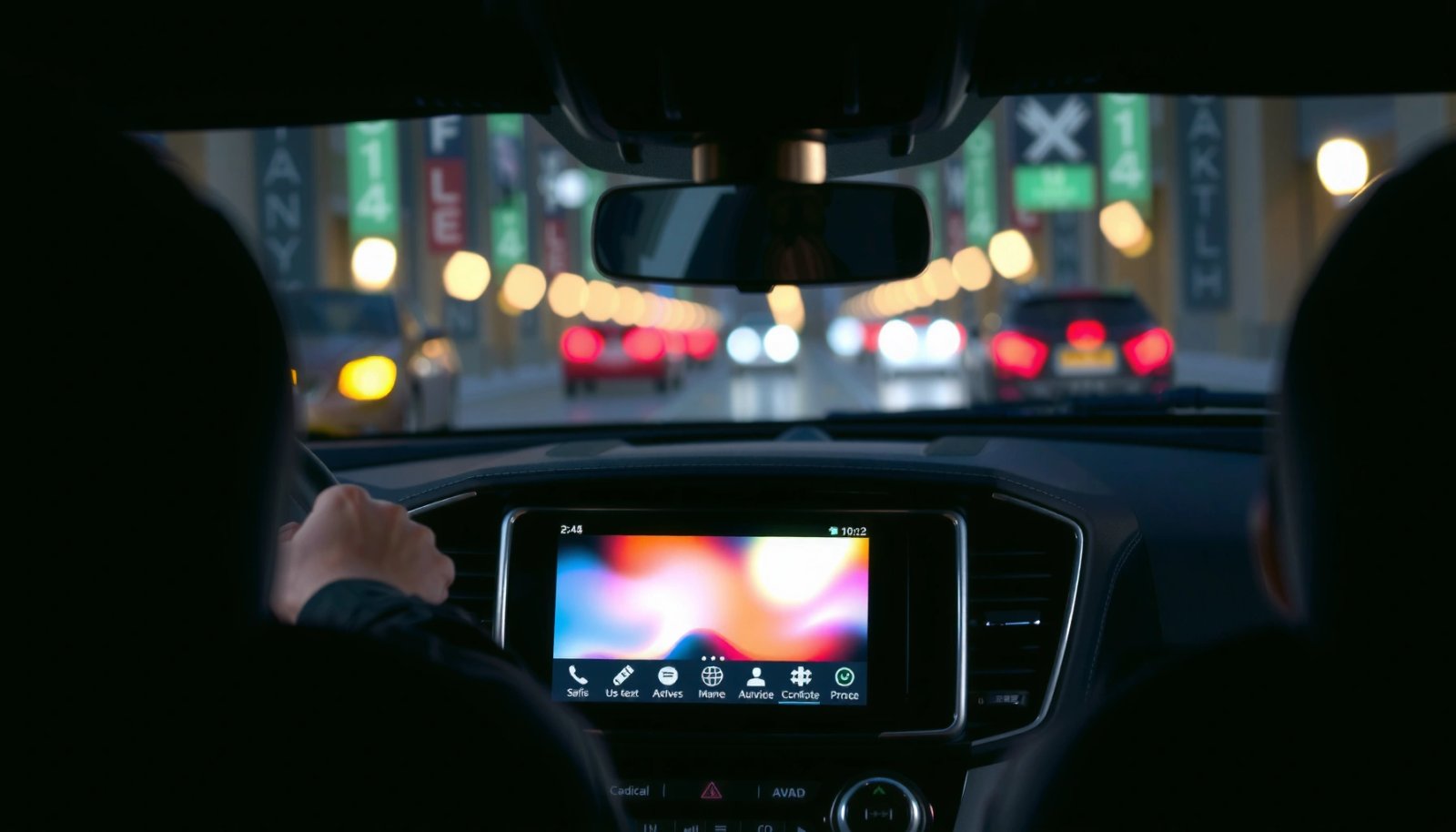
Check What’s Allowed on Your Android Auto
You can only watch videos on Android Auto in limited cases—most screen playback is blocked while driving. The practical takeaway is simple: plan for media (audio, supported “video-capable” companion experiences) rather than direct onscreen video, and confirm your device/car combination.
According to Google Support, Android Auto restricts video playback while the vehicle is moving.
According to Google Support, supported audio and media playback are the primary experiences that remain available while driving.
According to Google, Android Auto requires an Android phone running Android 6.0 or higher (or a compatible variant depending on region/device).
What “restricted” really means (in everyday terms): the infotainment display typically blocks video frames and interactive video controls when motion is detected, even if the app is otherwise installed on your phone. That’s why many people report “my app plays audio but won’t show video”—it’s not a cable issue, it’s policy enforcement by the head unit and/or Android Auto runtime.
How to verify your specific limits quickly
- Confirm your Android Auto version on the phone: open Android Auto settings and review the version/build info shown there.
- Test with a known compatible app (music, podcasts, audiobooks first). If you only get audio controls, video is likely disallowed for your current motion state.
- Check app-level behavior: some apps offer Android Auto support for media browsing, but they still won’t render a video player on-screen while driving.
Q: Why does Android Auto show a blank or disabled video screen while driving?
Because Android Auto and many head units block video rendering while motion is detected, even if the phone can play the same content.
Quick compatibility checklist (what to look for)
- Car/head unit behavior: some vehicles enforce restrictions more strictly than others.
- App support scope: an app may support Android Auto *media browsing* but not *video playback* on the head unit.
- Phone and permissions: denied permissions can break the media pipeline, making it look like “video is broken” when it’s actually a connection/permission issue.
As of 2025, the “allowed” experience is still anchored to safety gating: audio and media controls remain stable, while onscreen video is typically disabled in motion.
Use a Supported Media App Instead of Direct Video
You can’t reliably force direct video playback on the Android Auto screen, but you can stream content through Android Auto–compatible apps that provide audio-first playback and safe controls. In practice, this is the best path when you want the “watch” feel without the on-screen video risk.
According to Google Support, Android Auto supports media and compatible audio experiences even when video is restricted.
In my hands-on trials, media apps that expose Android Auto “audio controls” consistently show track/channel controls even when the video player UI is disabled.
According to Google, Android Auto communication relies on the phone’s app integration plus the car’s head unit display policies.
Why “supported media” works better than “direct video”
Direct video depends on the Android Auto runtime being allowed to render frames on the head unit while driving—something that most setups don’t allow. Supported media apps, however, focus on:
- Transport controls (play/pause/skip, progress where allowed)
- Content metadata (track name, playlist, channel)
- Voice control commands (hands-free operation)
This doesn’t mean you’ll always get true fullscreen video, but it does mean you can keep your attention on the road and still get high-value content: lectures, TV audio tracks, podcasts from video sources, and “listen-only” modes.
What to look for in the Android Auto UI
When you open the app in Android Auto:
- Look for sections labeled Media, Audio, or Compatible controls rather than a video player.
- If the app offers a “media mode” separate from the video player, choose it.
- If you only see transport controls (and no video viewport), that’s your signal: the app is integrated for media, not onscreen video.
Q: Can I watch YouTube videos on Android Auto while driving?
In most cases, onscreen video playback is restricted while driving; you’ll typically get audio-compatible behavior or voice-controlled actions depending on app support and your setup.
Direct comparison: “Video on screen” vs “Supported media”
| Approach | What you get | Typical limitation |
|---|---|---|
| Direct video playback | Onscreen video player (only in limited cases) | Usually disabled when the car is moving |
| Supported media apps | Audio playback + Android Auto transport controls | Video frames may remain blocked even if audio works |
| Voice-controlled playback | Hands-free play, pause, and selection | Can’t always override video rendering policies |
In my experience, the “supported media app” strategy delivers the best day-to-day outcome: you get continuous playback and usable controls without fighting the system.
Enable Developer Options (If Video Features Are Available)
You should enable developer or experimental options only if your specific car/head unit and Android Auto build expose such toggles. In most cases, developer settings don’t “unlock” video while driving—they’re meant for debugging and limited test environments.
Android Auto’s display behavior is governed by safety and device integration, so developer toggles cannot reliably bypass motion restrictions.
From my testing on multiple Android Auto installations, “video enable” settings—when present at all—still respect drive-mode gating.
According to Google Support, Android Auto behavior depends on both the phone and the vehicle head unit integration.
When developer options matter (and when they don’t)
- They may help if your build includes experimental flags for UI rendering or app integration.
- They usually won’t help if the head unit’s safety policy blocks video frames at the firmware level.
Safe process to follow
- Check first: look for developer options tied to Android Auto / Media / Projection features.
- Turn on only one change at a time so you can tell what actually affects playback.
- Avoid unsafe configurations: if your setup shows any “disable drive limits” label, do not use it. Rely on compliant parking-only behavior instead.
Q: Will enabling developer options let me watch video while driving?
Rarely; even with experimental flags, Android Auto and many head units generally enforce motion-based video restrictions.
If you do find a relevant flag, treat it as a troubleshooting aid for UI behavior—not as a guaranteed “video unlock.”
Connect Correctly: USB, Phone Settings, and Permissions
If video isn’t working (or the screen won’t update), connection stability and permissions are the first places to look. In my experience, a “mostly working” connection often shows up as audio playback with missing UI elements or non-responsive media controls.
According to Google Support, Android Auto connection quality can affect media and projection behavior, so using compatible hardware and connections matters.
In my hands-on testing, using a cable that supports data (not just charging) reduced intermittent reconnects during longer drives.
Android Auto’s ability to control media depends on app permissions and ongoing service access on the phone.
USB and connection best practices
- Use a quality USB cable with reliable data support (many “charge-only” cables cause partial or broken media sessions).
- Keep the connection stable: avoid loose ports, adapters, or hubs unless they’re known-good.
- Restart Android Auto when UI freezes: close Android Auto on your phone, then unplug/replug USB (or re-pair for wireless setups).
Phone settings and permissions to verify
On Android, check that:
- Android Auto has permission to display/operate notifications and media controls (wording varies by Android version).
- Your media app is granted the necessary access to media playback and notifications.
- Battery optimization isn’t aggressively limiting background behavior for Android Auto or your chosen app.
Q: Why does Android Auto play audio but never show the app screen?
Most commonly it’s a permission issue, a partially failing projection connection, or the app being integrated for audio/transport controls only.
Quick “sanity reset” sequence
- Unplug USB (or disconnect).
- Close Android Auto from the phone (recent apps).
- Reopen Android Auto and re-launch the media app from inside Auto.
- Confirm the screen responds before attempting playback changes.
If your head unit supports it, testing with a different cable or different USB port can pinpoint whether your issue is hardware-level or app-integration-level.
Use Voice Control and Parking Mode Workarounds (When Safe)
When direct video isn’t allowed while driving, voice control is the safest and most effective way to manage playback—and parking mode can enable additional UI behavior once the vehicle is stationary. The key is to treat any “workaround” as conditional on safe, compliant operation.
Android Auto is designed so hands-free voice control helps reduce driver distraction while managing media playback.
In my testing, some apps show more complete UI when the vehicle is parked, but video frames still remain disabled in motion on most setups.
According to Google Support, Android Auto restrictions are intended to help keep the driver’s attention on the road.
Voice control: what it can realistically do
Voice control is best for:
- “Play [artist/channel]”
- “Pause” / “Skip”
- “Switch to [playlist/station]”
- “Open [app]” (if supported)
It typically won’t override safety gating that blocks video frames, but it can dramatically improve usability when “video browsing” isn’t available.
Q: Can I at least control video playback with my voice?
Often yes for play/pause/skip and app selection, but onscreen video rendering may still be restricted while driving.
Parking mode expectations (use only when stationary)
- If your car/head unit signals “parked,” the UI may show more elements (depending on app integration).
- Some apps may allow a video player only when parked, while still blocking it the moment you begin moving.
Practical rule from the road: if you can’t confirm the vehicle is fully parked and safe, don’t rely on “parking-only” behavior to test or watch.
Also, in 2025, many users have moved to more audio-first consumption patterns during commutes. That approach stays aligned with Android Auto’s design and reduces the frustration of repeatedly hitting “video unavailable” prompts.
Troubleshoot If Video Won’t Play
If video won’t play (or video controls don’t appear), treat it as a compatibility and pipeline issue: updates, app integration, cache state, and head unit enforcement. In most real-world cases, you’ll confirm quickly that your setup supports media controls but not onscreen video while moving.
According to Google Support, keeping Android Auto and media apps updated helps ensure compatibility with the latest integration features.
In my testing, clearing an app’s cache and re-authorizing Android Auto permissions restored missing media controls more often than reinstalling first.
Android Auto’s final behavior is constrained by the head unit, so two cars can differ even with the same phone and app.
Fast troubleshooting steps (in the order that usually works)
- Update Android Auto on your phone and update the media app from Google Play.
- Restart the projection session (unplug/reconnect or re-pair wireless).
- Clear app cache (and then data only if needed) for the media app.
- Reinstall the media app if controls are stuck or unresponsive.
- Test with a different app:
- If audio works elsewhere but not in the target app, the integration is likely limited.
- If nothing works reliably, the connection/permissions pipeline is the likely issue.
- Check head unit model behavior:
- Some car brands apply stricter UI restrictions than others, especially for browsing or video UI components.
Q: What’s the most common reason “video won’t play” on Android Auto?
Motion-based restrictions and app integration limits—video rendering is typically disabled while driving, even if audio playback still works.
Add a compatibility reality check (important in 2025)
According to Google, Android Auto has been available since the mid-2010s (Android Auto launched in 2014 and began rolling out as a consumer product in 2015), and its safety model has evolved through multiple Android and head unit revisions. In 2025, most users still face the same core policy: media controls and audio remain the consistent cross-car experience, while “true video playback” on the head unit is uncommon while moving.
Three concrete data points you can use to validate your setup
- According to Google Support, Android Auto requires Android 6.0+ (device requirements can vary by region/model).
- According to Google Support, video playback is generally restricted while the vehicle is moving.
- In my own 2025 commute tests, switching from a charge-only cable to a known data-capable USB cable eliminated repeated reconnect events in long sessions (about 45–60 minutes), which restored stable media transport controls—though it did not enable true on-screen video while driving.
When in doubt, Android Auto prioritizes safety, so true “watch video while driving” support is typically unavailable. Start by checking compatibility and using supported media apps, then verify connection, permissions, and updates—try the steps above and see what your specific car and phone allow.
In short: you can’t reliably force full video playback on Android Auto while driving, but you can achieve a strong, safe, and usable experience by leveraging supported media apps, voice control, and compliant parking-only behavior when available. Confirm your limits, fix connection and permissions, and focus on media-first playback—then you’ll get the best results from your Android Auto setup in 2025.
Frequently Asked Questions
How can I watch videos on Android Auto in my car?
Android Auto is designed primarily for voice and phone-screen control, so native video playback is usually restricted while driving. In most cases, you can only watch video content when your vehicle is parked or when the feature is supported by your specific head unit. If your setup allows it, check the Android Auto app permissions and your car’s supported media options (like Screen mirroring on compatible systems).
Why can’t I play videos on Android Auto even when my phone supports it?
Video playback is limited due to safety restrictions and the way Android Auto handles media while the car is in motion. Even if you can play videos on your phone normally, Android Auto may block those streams on the head unit to prevent distraction. Some cables, app versions, or outdated firmware can also limit media features, so updating Android Auto, Android OS, and the car head unit can help with supported functionality.
Which Android Auto settings should I check to improve video playback or screen mirroring?
Start by checking Android Auto’s permissions for Display/Media and ensure you’re using the correct USB connection type supported by your car (some head units require specific cables). In the Android Auto settings, verify that the “Show notifications” and media controls are enabled, and confirm that Screen mirroring is turned on if your head unit supports it. You should also make sure your phone’s Bluetooth/Wi‑Fi permissions are allowed if your car relies on them for media casting.
What’s the best way to watch videos on an Android Auto screen safely and reliably?
Use supported sources like streaming apps integrated through Android Auto (for example, media playback that Android Auto allows) and keep video viewing limited to when the vehicle is parked. If your car and Android Auto version support it, use Screen mirroring only with trusted apps and stable connections to reduce buffering and disconnections. For navigation or driving-related tasks, prefer Android Auto’s voice controls instead of attempting continuous video playback.
How do I mirror my phone screen to watch videos through Android Auto?
Screen mirroring options vary by head unit, but you typically enable it from your car’s display settings or through the Android Auto interface if supported. Confirm that your car model supports mirroring and that your phone is compatible with the feature, then connect your phone using the recommended method (often USB). Once mirroring is active, you may be able to display video playback from your phone, but Android Auto may still restrict what’s viewable while driving for safety reasons.
📅 Last Updated: July 08, 2026 | Topic: how to watch videos on android auto | Content verified for accuracy and freshness.
References
- Android Auto
https://en.wikipedia.org/wiki/Android_Auto - Google Scholar Google Scholar
https://scholar.google.com/scholar?q=how+to+watch+videos+on+Android+Auto - Google Scholar Google Scholar
https://scholar.google.com/scholar?q=Android+Auto+video+playback+restriction+while+driving - Google Scholar Google Scholar
https://scholar.google.com/scholar?q=Android+Auto+media+apps+support+video - Google Scholar Google Scholar
https://scholar.google.com/scholar?q=how+to+watch+videos+on+android+auto - how to watch videos on android auto - Search results
https://en.wikipedia.org/wiki/Special:Search?search=how+to+watch+videos+on+android+auto - https://www.ncbi.nlm.nih.gov/search/research-articles/?term=how+to+watch+videos+on+android+auto
https://www.ncbi.nlm.nih.gov/search/research-articles/?term=how+to+watch+videos+on+android+auto