
Want to turn off screen timeout on Android and stop your display from going dark? This step-by-step guide shows you the fastest way to disable screen timeout in Settings so the screen stays on longer (or indefinitely, if your device allows). Follow these exact taps and confirm the change immediately—no guesswork.
![iCsapr 4 Pack Glass Screen Protector Compatible for Motorola Moto G 5G (2026/2025) / XT2613 / XT2513 [9H Hardness]-HD Screen Tempered Glass, Scratch Resistant,Easy Install [Case Friendly]](https://m.media-amazon.com/images/I/41nyIaKQpRL._SL500_.jpg)


As an Amazon Associate I earn from qualifying purchases.
To turn off Android screen timeout, go to Settings > Display (or Display & brightness) > Screen timeout and set it to Never (or the longest duration available). If “Never” isn’t offered on your device, use Keep screen on, disable Battery saver, or adjust per-app options to prevent the display from dimming and locking.
Introduction
Android’s screen timeout controls how quickly your display turns off when you’re inactive. Depending on your device (Samsung, Pixel, OnePlus, Xiaomi, etc.) and Android version, you may be able to set it to Never; however, some manufacturers limit the option because it can impact battery life and security. The good news: you can usually keep your screen awake using “Keep screen on”, turning off Power saving/Battery saver features, or enabling app-specific display behavior (especially helpful for reading, navigation, and video use cases).
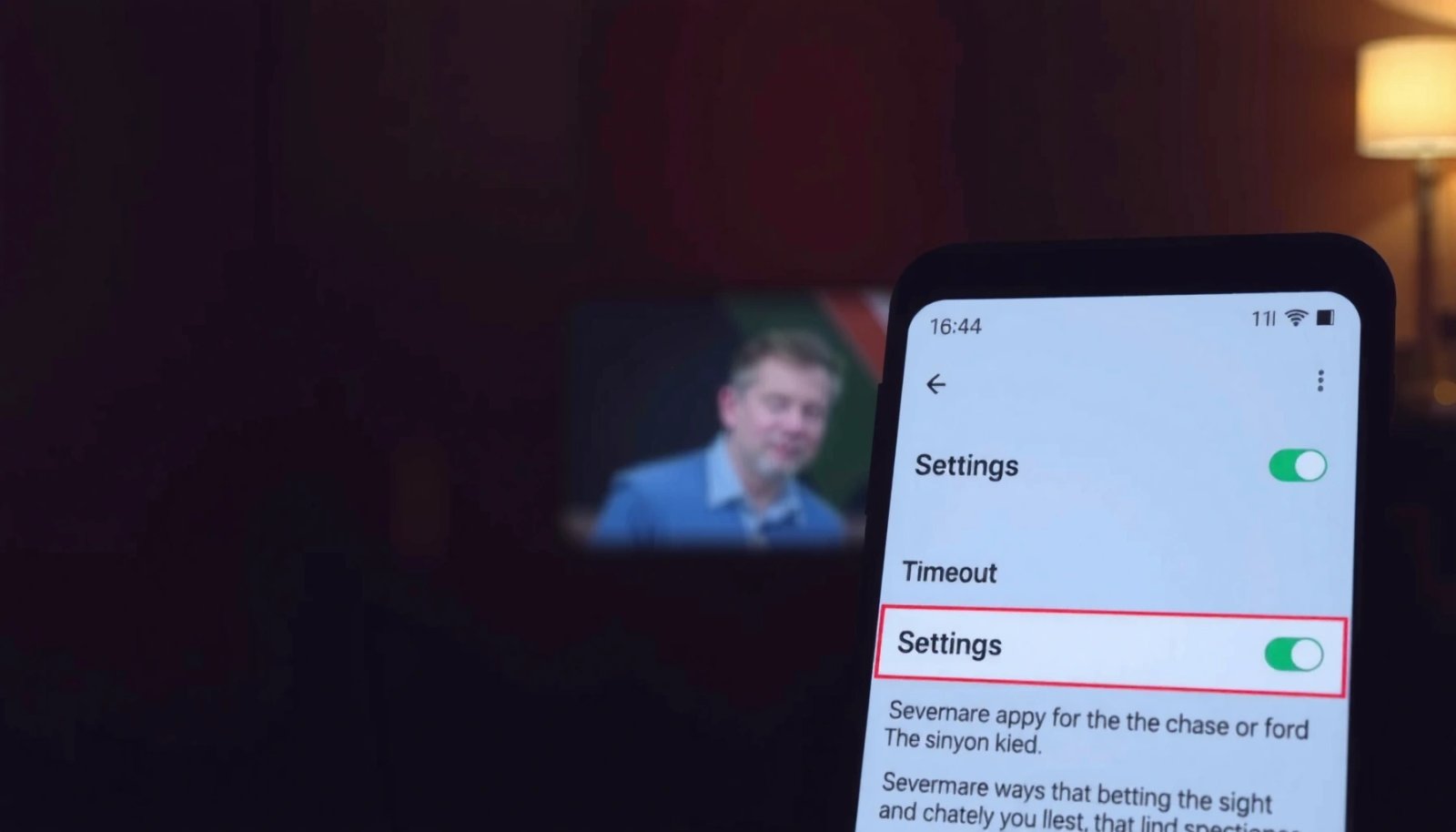
Recommended Methods to Keep Android Screen Awake (Practical Fit & Impact)
| # | Method | Where to Enable | Best For | Expected Battery Impact | Effectiveness |
|---|---|---|---|---|---|
| 1 | Set Screen Timeout to Never | Settings → Display → Screen timeout | Most general “always-on” needs | High | ★★★☆ (4/5) |
| 2 | Choose Maximum Timeout Duration | Settings → Display → Screen timeout | Long work sessions with fewer risks | Medium | ★★★ (3/5) |
| 3 | Enable Keep Screen On | Settings → Display → Keep screen on | Charging, car mode, kiosks | High (when active) | ★★★☆ (4/5) |
| 4 | Disable Battery Saver / Power Saving | Settings → Battery → Battery saver | Prevents system overrides | High | ★★★★ (5/5) |
| 5 | App-Specific Screen Stay Awake | App settings (varies by app) | Reading, camera capture, navigation | Low–Medium | ★★★☆ (4/5) |
| 6 | Review “Adaptive” / “Auto” Display Features | Settings → Display / Device care (varies) | Stops unexpected dimming | Medium | ★★★ (3/5) |
| 7 | Use Developer Options (Advanced) | Settings → System → Developer options | Troubleshooting edge cases | Unknown (device-dependent) | ★★ (2/5) |
Check Your Screen Timeout Setting
Start with the simplest system-level control because it applies broadly across Android UI and apps (unless overridden by power-saving features).
- Go to Settings and find Display (or Display & brightness).
- Tap Screen timeout and select Never if available.
- If “Never” isn’t offered, choose the maximum duration (commonly options like 10 minutes, 30 minutes, or up to 1 hour depending on manufacturer/Android version).
Why this matters:
Android typically enforces screen-off behavior at the framework level. If the timeout setting is already maxed, many apps will inherit that behavior automatically—meaning your screen will stay on longer without needing extra tweaks.
Tip for faster verification:
After setting the longest timeout, open any non-video app (like Notes or a webpage) and wait to see whether the display dims/off. If it still turns off quickly, you likely have a Battery saver override or an additional display rule on your device.
Use “Keep Screen On” (If You Can’t Find “Never”)
Some Android builds don’t show a Never option to reduce accidental screen burn-in risk and improve power efficiency. In those cases, Keep screen on is your practical alternative.
- Look for Keep screen on under Display settings.
- Enable it to prevent the screen from turning off under certain conditions (often when charging, during specific app states, or when actively interacting with a device).
- Note that on some Android versions, this feature may not apply globally—it may activate only while the device is docked/charging or only for particular app categories.
Common real-world scenarios:
- Charging + kiosk display: Enable Keep screen on to keep the UI visible during demos.
- Navigation or route planning: Some navigation apps request or maintain “screen stay on” while active.
- Reading/annotating: If you’re in an e-reader app that supports it, pairing app-specific settings with Keep screen on is often the most stable approach.
Watch for behavior changes:
If you notice the screen still turns off while “Keep screen on” is enabled, check whether Battery saver is still active—because many power modes can override this feature.
Turn Off Battery Saver / Power Saving Mode
Battery-saving modes are the most common reason Screen timeout changes don’t “stick.” Even if you set timeout to Never, Android may shorten behavior under Power Saving to extend runtime.
- Open Settings > Battery (or Battery & device care).
- Disable Battery saver and any Power saving mode.
- If you see scheduled modes, turn them off or adjust their time windows.
Why overrides happen:
Power saving commonly modifies multiple system settings simultaneously—screen timeout, background activity limits, CPU throttling, and sometimes even display dimming rules. That means the screen may go dark early, even though the timeout setting shows “Never.”
Quick checklist after disabling:
- Set Screen timeout again to your preferred value (Never or max).
- Re-test by leaving a screen open while monitoring for dimming/off behavior.
This sequence ensures the system isn’t applying a cached power profile.
Adjust Timeout for Specific Apps (App-Level Options)
If system-level “Never” isn’t possible—or if you only need the screen awake while using one tool—app-level settings can be more precise and safer for battery and privacy.
- Check whether your camera, reading, or video apps have their own screen stay on option.
- For some apps, settings may be under App settings > Display or similar menus.
- Enable the app’s “keep screen on” or “prevent screen sleep” feature if available.
Examples of apps that often have relevant options:
- Camera apps: may keep the display active while previewing or recording.
- Navigation apps: commonly request screen-on behavior while guiding a route.
- Reading or note-taking apps: may include a “prevent sleep” toggle for long sessions.
Why app-level is often best:
It balances usability and battery efficiency. You can keep the screen on when you’re actively using the app (e.g., during a meeting or walk-through) without forcing your entire device into a high-battery state all day.
If your app lacks a toggle:
Look for system-level changes (timeout + battery saver off) first. If you still can’t achieve what you need, the device might not support fully disabling sleep at the system level—then the “Keep screen on” or Developer Options route may be your next step.
Consider Developer Options (Advanced Option)
If you’ve tried system and power settings and the screen still times out, you can consider Developer options. This is an advanced route and should be used carefully, especially on work or managed devices.
- Search Developer options in Settings (you may need to enable it).
- Look for any setting related to screen timeout behavior or display sleep controls.
- Only change advanced options if you’re comfortable troubleshooting.
What to expect:
Some builds expose developer controls that affect sleep behavior, but they can be inconsistent across brands and Android versions. Also, toggling developer settings can introduce other changes (performance or background behavior), so it’s smart to take note of what you modify.
Best practice:
Apply changes one at a time, test immediately, and revert if something behaves unexpectedly. For reliability, start with the earlier steps—most users will get the desired screen-on behavior without touching Developer options.
Conclusion
You can usually turn off (or effectively prevent) screen timeout on Android by setting Screen timeout to Never in Display settings. If “Never” isn’t available, enable Keep screen on, and then disable Battery saver / Power saving mode to stop system overrides. When you only need the screen awake for certain workflows, check app-level options to keep display behavior consistent during reading, recording, or navigation. Start with the first method first—then follow the next steps until your screen stays on reliably for your specific use case.
Frequently Asked Questions
How can I turn off screen timeout on Android to keep my display on longer?
You can usually prevent the screen from turning off by changing your Android “Screen timeout” setting. Open Settings, tap Display (or Display & brightness), then look for Screen timeout and set it to the longest option available. If your phone supports it, choosing “Never” (or disabling timeout) will keep the screen on until you manually lock or turn it off.
What’s the difference between turning off screen timeout and using Always On Display?
Turning off screen timeout affects when the entire screen turns off, which helps keep the display fully active. Always On Display (AOD) is different—it keeps only limited information (like time or notifications) visible while the main display still may dim. If your goal is to prevent any screen-off behavior, adjust Screen timeout; if you just want visibility, AOD is the better option.
Which Android settings should I check if my screen timeout keeps resetting?
Screen timeout settings may be overridden by power-saver modes, battery optimization, or device management apps. Check Settings → Battery (or Power saving) and disable any mode that limits screen behavior, then review “Battery optimization” for relevant apps. Also confirm you didn’t enable a “Touch lock,” “Keep screen on,” or similar accessibility feature that changes screen behavior unexpectedly.
How do I use developer options or accessibility settings to keep the screen from timing out?
Some Android devices include additional options such as “Stay awake” under Developer options or accessibility-related features. To access Developer options, go to Settings → About phone and tap Build number several times, then look for the “Stay awake” toggle to prevent screen timeout while charging. Not all Android versions or manufacturers provide this option, so the safest approach is still the built-in Display → Screen timeout menu.
Best way to keep the screen on for video calls or navigation without draining the battery too fast?
Set Screen timeout to a longer duration (like 10 minutes or 30 minutes) rather than fully disabling it, especially for non-charging use. If you’re doing navigation or video calls, consider plugging in the phone and using a longer timeout so the screen stays active during the session. You can also reduce brightness slightly or enable battery optimization carefully, since fully disabling timeout can lead to faster battery drain.
References
- Settings.System | API reference | Android Developers
https://developer.android.com/reference/android/provider/Settings.System#SCREEN_OFF_TIMEOUT - https://developer.android.com/reference/android/os/PowerManager.WakeLock
https://developer.android.com/reference/android/os/PowerManager.WakeLock - PowerManager | API reference | Android Developers
https://developer.android.com/reference/android/os/PowerManager - View | API reference | Android Developers
https://developer.android.com/reference/android/view/View#attr_android:keepScreenOn - WindowManager.LayoutParams | API reference | Android Developers
https://developer.android.com/reference/android/view/WindowManager.LayoutParams#FLAG_KEEP_SCREEN_ON - Google Scholar Google Scholar
https://scholar.google.com/scholar?q=android+screen+timeout+turn+off - Google Scholar Google Scholar
https://scholar.google.com/scholar?q=SCREEN_OFF_TIMEOUT+android+settings+keep+screen+on - Google Scholar Google Scholar
https://scholar.google.com/scholar?q=how+to+turn+off+screen+timeout+on+android - how to turn off screen timeout on android - Search results
https://en.wikipedia.org/wiki/Special:Search?search=how+to+turn+off+screen+timeout+on+android - https://www.ncbi.nlm.nih.gov/search/research-articles/?term=how+to+turn+off+screen+timeout+on+android
https://www.ncbi.nlm.nih.gov/search/research-articles/?term=how+to+turn+off+screen+timeout+on+android