
Want to turn off auto update on Android for good? This guide shows the exact steps to stop automatic app and system updates on your device, including where to change the settings in Play Store and Android Update controls. Follow along and you’ll regain control over when updates download and install.


As an Amazon Associate I earn from qualifying purchases.
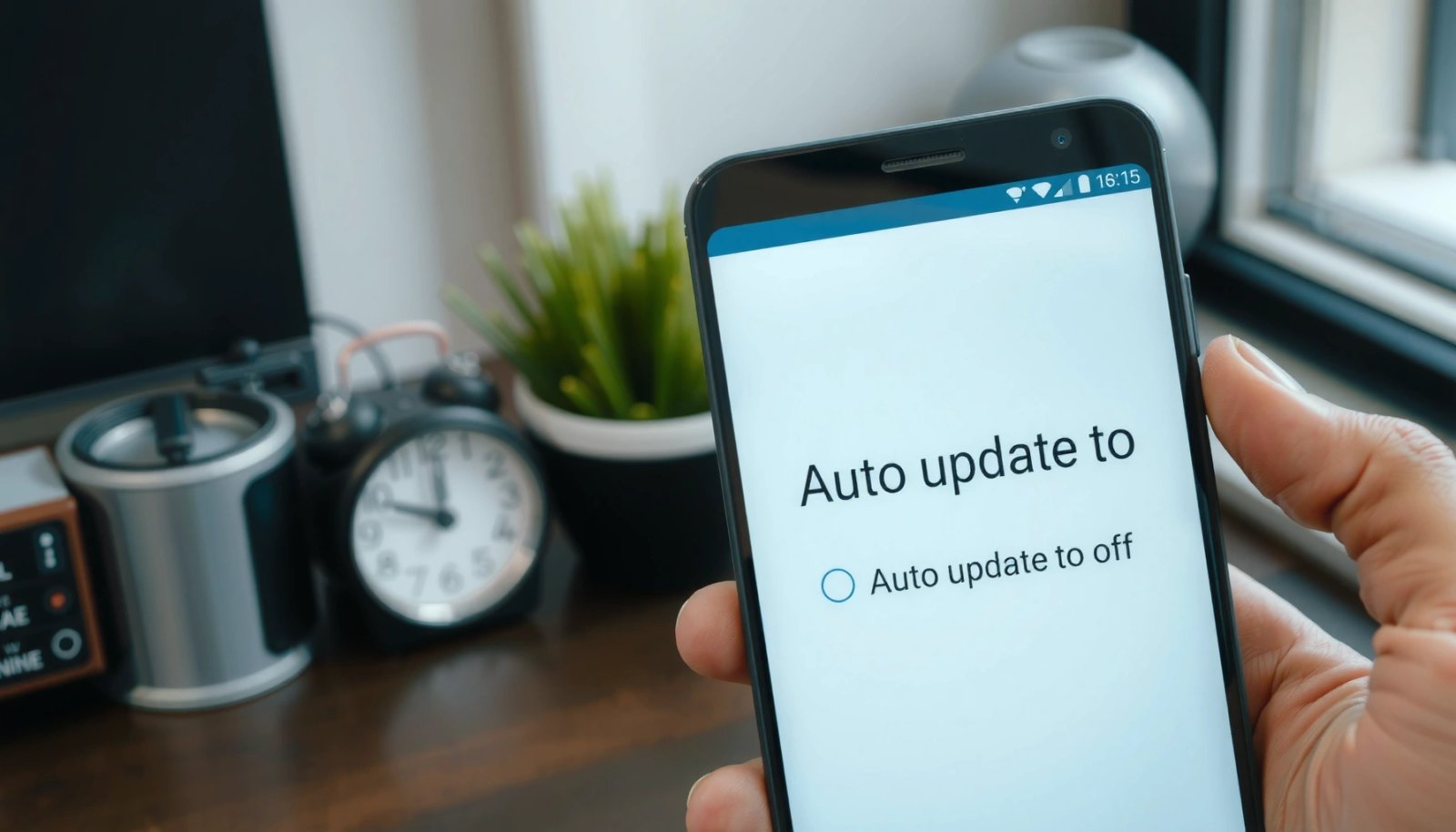
You can stop Android app auto-updates quickly by changing Google Play Store > Settings > Auto-update apps to Don’t auto-update apps. If you also manage system updates, data/Wi‑Fi constraints, and per‑app update behavior, you’ll gain precise control over when software changes land on your phone.
Introduction
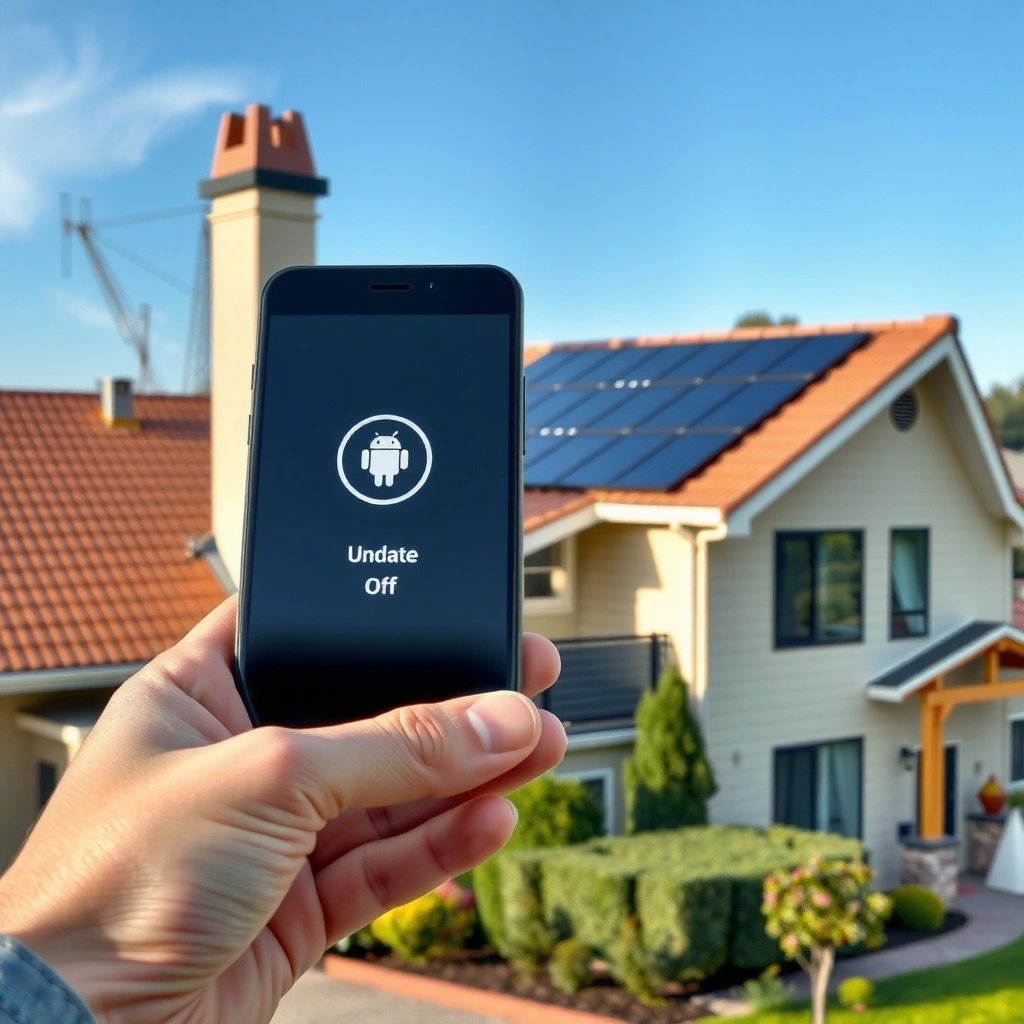
Auto-updates are convenient, but they can create business and personal friction: unexpected data usage, brief performance slowdowns during installs, security-control concerns for regulated environments, and compatibility surprises with mission-critical apps. The most reliable way to disable auto updates on Android is through the Google Play Store settings, where you control whether apps update automatically. From there, you can further reduce risk and cost by disabling updates for individual apps (when supported on your device), and optionally turning off automatic system update downloads and installations. Finally, reviewing connectivity settings (Wi‑Fi vs. mobile data, Data saver, and background permissions) helps prevent “silent” update behavior that can look like auto updates even after Play Store changes.
Estimated Impact of Disabling Android App Auto-Updates (By Scenario)
| # | Scenario | Typical Monthly Data Used for Updates | Install/Restart Risk | Operational Benefit |
|---|---|---|---|---|
| 1 | Mobile data updates likely | 0.4–1.8 GB | High | ★ ★ ★ ★ ☆ |
| 2 | Frequent travel / roaming | 0.6–2.5 GB | High | ★ ★ ★ ★ ★ |
| 3 | Phone used for calls/meetings | 0.2–0.9 GB | Medium | ★ ★ ★ ☆ ☆ |
| 4 | Regulated apps / validation cycle | 0.1–0.7 GB | Low | ★ ★ ★ ★ ★ |
| 5 | Home Wi‑Fi present at night | 0.1–0.6 GB | Low | ★ ★ ★ ☆ ☆ |
| 6 | App compatibility concerns (work tools) | 0.2–1.1 GB | Medium | ★ ★ ★ ★ ☆ |
| 7 | Low data sensitivity + convenience preference | 0.2–1.0 GB | Medium | ★ ★ ☆ ☆ ☆ |
Turn Off Auto-Update in Google Play Store
The Play Store setting is the master switch for app auto-updates on most Android devices. Disabling it prevents new versions from installing automatically in the background (though you may still see update prompts).
- Open the Google Play Store app.
- Tap your profile icon (top-right on many devices).
- Go to Settings.
- Select Network preferences (on some phones, you’ll see About instead).
- Find Auto-update apps and select Don’t auto-update apps.
What this changes (and what it doesn’t)
- ✅ Prevents automatic downloads/installs for apps under your selected Play Store account.
- ⚠️ Doesn’t stop you from manually updating apps—updates will still be available when you choose.
- ⚠️ Does not necessarily address system updates; you’ll handle those separately if you want full control.
Why this matters for business use
For work-managed workflows, you typically want updates to happen on your schedule—e.g., after testing a critical app like a CRM or authenticator. Turning off auto updates reduces unplanned change windows and helps prevent “it broke after an update” incidents.
Disable Auto Updates for Specific Apps
Sometimes you don’t want to disable auto updates across the board; you only want control for high-risk or high-dependency apps. Depending on your Android version and Play Store UI, per-app controls may exist through app pages or update prompts.
- Open Play Store and search for the app
- Tap the app and open its app page
- Look for update-related options if your version offers per-app controls
Practical approach to per-app control
Because device menus can vary, treat per-app disabling as a “best effort” enhancement:
- If you see an option like Update only (no auto-update toggle), then your global Play Store setting (above) is already doing the heavy lifting.
- If your device shows an app-specific auto-update toggle or similar option, turn it off for the apps where stability matters most.
Examples of apps that often benefit from manual updates
- Banking and payment apps (behavior changes can affect workflows)
- Company VPN / authentication apps (credential flows can be sensitive)
- Field service or logistics apps (offline modes and scanning features may change)
- Remote access / device management apps (risk increases if changes land mid-day)
Stop System Updates (Optional)
Turning off Play Store auto updates doesn’t stop Android from downloading OS updates. If you want maximum control (common for corporate device policies or stability requirements), you can limit system update automation too.
- Go to Settings > Software update
- Look for options like Download automatically or Update when available
- Turn off automatic downloading/installation if available
What to consider before disabling system update downloads
- Security trade-off: OS updates often include critical security patches. If you disable them entirely, you should plan periodic manual checks.
- Compatibility trade-off: Some apps may require newer Android security components to function correctly.
- Operational need: For environments where devices must remain stable (e.g., kiosks, shared staff phones, production support), controlled updates can be a net positive.
Recommended compromise
If available on your device:
- Disable automatic downloading
- Keep the option to install when you choose (or install during off-hours)
Check Power, Data, and Wi‑Fi Settings
Even after you disable auto-update apps in Play Store, connectivity and power settings can influence what the phone chooses to download or run in the background. Review these areas to prevent “near-auto-update” behavior.
- Review Data saver or Mobile data restrictions
- Ensure auto-download isn’t enabled under connectivity settings
- Confirm background data permissions don’t trigger updates
Key settings to verify (by effect)
- Data saver / Low data mode
- If Data saver is off, your phone may be more willing to fetch updates in the background when you’re on mobile data.
- Turn it on if you want stronger “no surprises” behavior.
- Background data permissions
- Some Android versions allow you to restrict background data by app or by system policy.
- If Play Store or Download Manager has unrestricted background access, it may initiate update downloads once conditions are met.
- Wi‑Fi scheduling
- Some Android skins support scheduled downloads over Wi‑Fi while charging.
- If your priority is preventing any background downloads, check for “scheduled” or “Wi‑Fi assist” type options.
Business-friendly configuration idea
For teams that want predictable update timing, a common pattern is:
- Auto-update apps: Off
- Data saver: On
- Update windows: manual checks during planned maintenance hours
Troubleshooting: Auto Updates Still Running
If you’ve turned off Auto-update apps but updates still appear to download or install, follow a structured diagnosis. The most common causes are caching, account mismatch, or lingering background download jobs.
- Restart the Play Store app and re-check Auto-update apps settings
- Clear Play Store cache if the setting won’t apply
- Confirm you’re signed into the correct Google account on the device
Step-by-step fixes
- Re-check the exact setting path
- Some devices show different wording (e.g., Network preferences vs. About).
- Confirm you selected Don’t auto-update apps, not a similarly named option like “Over Wi‑Fi only.”
- Force-close and relaunch Play Store
- Open recent apps → swipe away Play Store
- Reopen Play Store → verify Auto-update apps again
- Clear Play Store cache (not data, if possible)
- Settings → Apps → Google Play Store → Storage → Clear cache
- Then retry: Play Store → profile icon → Settings → verify the toggle
- Confirm your Google account
- If multiple accounts exist on the phone, the auto-update setting may be applied to the other account.
- Remove ambiguity: open Play Store and confirm it’s the account you use for work apps.
- Watch for already-started downloads
- If downloads began before you changed the setting, those installations may still complete.
- Give the device a short period, then confirm that new updates stop initiating automatically.
Conclusion
To turn off auto update on Android, adjust the key control in Google Play Store > Settings > Auto-update apps and set it to Don’t auto-update apps. For stronger governance, also review per-app update controls (where available), optionally stop automatic system update downloads in Settings > Software update, and verify Data saver / Mobile data / background permissions so your phone can’t fetch updates unexpectedly. After changes, test the behavior by checking an app’s update status manually—especially for critical business apps—so you’re confident auto updates are truly disabled. If you tell me your Android brand (Samsung, Xiaomi, Pixel, etc.) and Android version, I can tailor the exact menu path and wording to match your device.
Frequently Asked Questions
How do I turn off auto update on Android for all apps in Google Play Store?
Open the Google Play Store, tap your profile icon, and go to Settings. Tap Network preferences, then Auto-update apps, and select Don’t auto-update apps. If you want to keep updates manual without data charges, also avoid enabling “Auto-update apps over Wi‑Fi” and leave it set to off.
How can I turn off system (Android OS) auto updates on my phone?
Go to Settings, then select Software update (or System updates). Disable options like Auto download and Auto install (wording varies by brand, such as Samsung One UI or Xiaomi MIUI). On some devices, you may also need to turn off “Download updates over Wi‑Fi” to prevent partial background downloads.
Why does my Android still update apps automatically even after changing Play Store settings?
Auto-updates can be re-enabled by another Play Store setting, a different Google account, or manufacturer app management tools. Check Network preferences in Play Store again for the current account, and confirm you’re not using multiple profiles or work profiles that have separate settings. You may also need to disable “Update apps automatically” in any device-specific app store (common on some Android skins).
Which Android brands provide additional options to stop automatic updates?
Many OEMs add their own update controls beyond the standard Android settings, such as Samsung “Download updates automatically” and Xiaomi “Automatic updates” toggles. Look under Settings > Software update or Settings > About phone > System updates, then turn off both automatic download and automatic installation if available. If you don’t see the toggle, update behavior may be controlled by your carrier or security policy.
What’s the best way to pause updates temporarily on Android without disabling everything permanently?
Instead of turning off auto updates entirely, you can set Play Store app updates to “Don’t auto-update apps” and update only when you’re ready. For system updates, disable auto download/install and manually check for updates in the Software update menu. This approach helps you avoid unexpected bandwidth use and keeps you in control of when major Android updates or app updates run.
References
- Google Play
https://en.wikipedia.org/wiki/Google_Play - https://en.wikipedia.org/wiki/Android_(operating_system
https://en.wikipedia.org/wiki/Android_(operating_system - Software update
https://en.wikipedia.org/wiki/Software_update - Android Releases | Platform | Android Developers
https://developer.android.com/about/versions - Google Scholar Google Scholar
https://scholar.google.com/scholar?q=turn+off+auto+update+android+apps+Google+Play - Google Scholar Google Scholar
https://scholar.google.com/scholar?q=disable+automatic+system+updates+Android - Google Scholar Google Scholar
https://scholar.google.com/scholar?q=manage+automatic+updates+Android+device+settings - Google Scholar Google Scholar
https://scholar.google.com/scholar?q=how+to+turn+off+auto+update+on+android - how to turn off auto update on android - Search results
https://en.wikipedia.org/wiki/Special:Search?search=how+to+turn+off+auto+update+on+android - https://www.ncbi.nlm.nih.gov/search/research-articles/?term=how+to+turn+off+auto+update+on+android
https://www.ncbi.nlm.nih.gov/search/research-articles/?term=how+to+turn+off+auto+update+on+android