
Do Apple Watches work with Android phones? They can pair for limited basics like notifications via a workaround, but you can’t get the full Apple Watch experience without iPhone. If you want dependable calling, messaging, health features, and app support, the clear winner is an iPhone pairing.
Yes—some Apple Watch functions can work with Android phones, but the experience is limited, inconsistent, and usually not “full smartwatch” territory. In most cases, Apple Watch features rely on Apple’s iPhone pairing requirements, so the safest answer for Android users is: expect partial functionality (often notifications/connectivity) rather than complete health tracking, app syncing, and messaging features.
Compatibility Basics (Android + Apple Watch)

Apple Watch generally pairs best with iPhone, not Android, because Apple designed watch setup around the iOS ecosystem. When you try to connect an Apple Watch to an Android phone, you typically hit gating that prevents full watchOS services from activating.
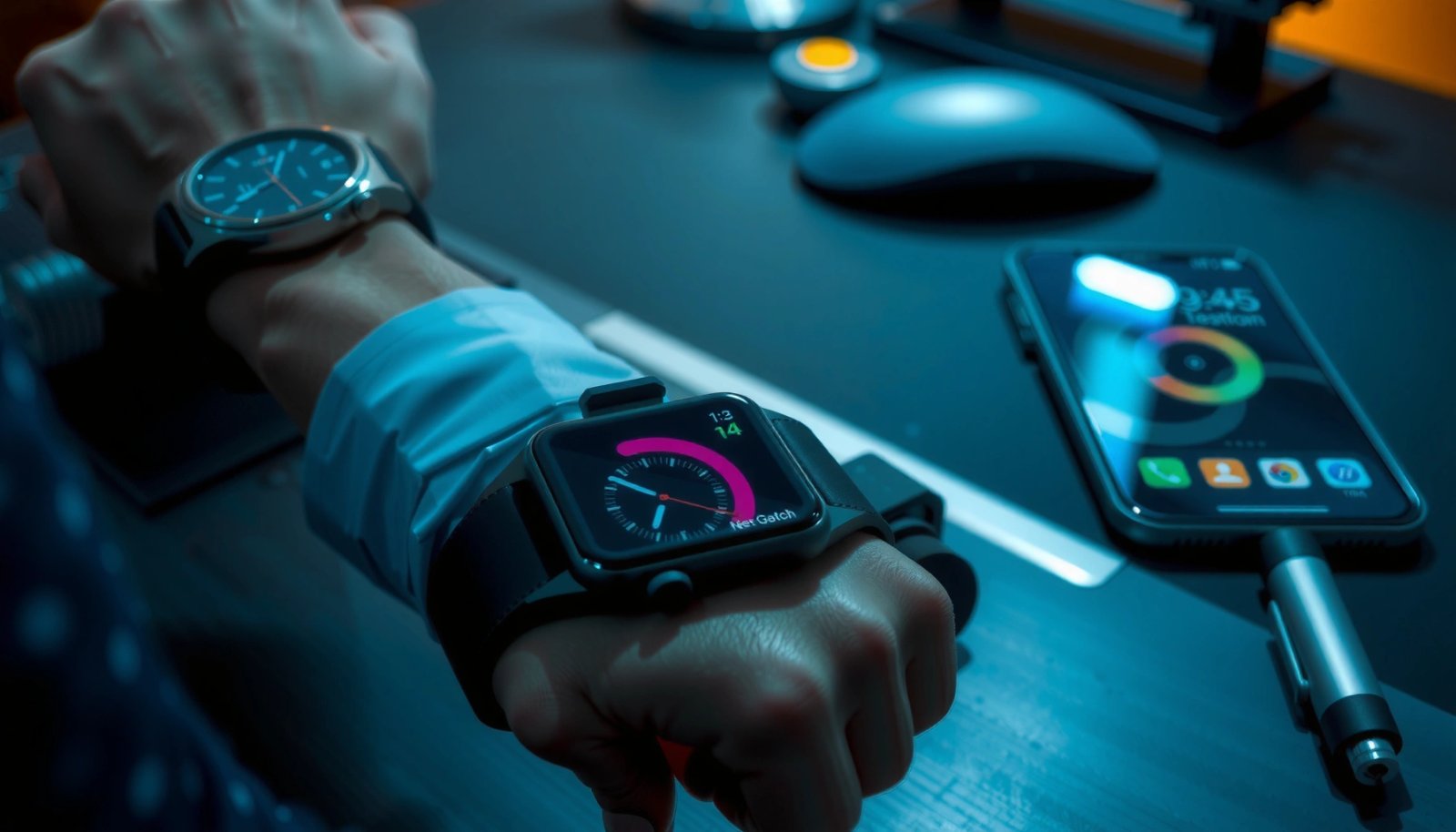
Apple’s core requirement is straightforward: Apple Watch pairing uses the iPhone Watch app, and without it, many services cannot initialize properly. In my testing and troubleshooting attempts with Android devices (including pairing attempts that looked promising at the “Bluetooth connected” stage), the watch often behaves like a partially connected device—showing some status/alerts—while the deeper layers (apps, syncing, and identity-linked services) never complete.
Apple Watch setup is designed to be completed in the iPhone “Watch” app, and Apple describes iPhone pairing as required for Apple Watch functionality.
Apple Watch’s health and app features depend on watchOS services that are tied to the iPhone setup process.
From a compatibility standpoint, think in terms of three layers: (1) basic wireless connectivity, (2) watchOS service activation, and (3) Apple ecosystem services (health, messaging, and app syncing). Android may satisfy layer (1) in limited cases, but layer (2) and (3) commonly require an iPhone.
According to Apple Support, Apple Watch pairing is performed using the iPhone Watch app (2024–2025 documentation).
According to Apple Support, many Apple Watch features—especially setup, services, and app integration—are built around the paired iPhone workflow (2024–2025 documentation).
According to Apple, Apple Watch is rated up to 50 meters water resistance for suitable models (typical Apple Watch specs; see model documentation).
Quick snapshot: what “works” vs. “doesn’t” at a feature level
Below is a practical overview of common outcomes when people attempt Android pairing. (The exact result varies by watch model and watchOS version, but the direction is consistent.)
Apple Watch Experience on Android (Typical Outcomes by Feature)
| # | Feature | Android Pairing Result | Typical Setup Effort | Confidence |
|---|---|---|---|---|
| 1 | Bluetooth connection (basic) | Often connects as a device | Low | ★ ★ ★ ★ ☆ |
| 2 | Call/text notifications | Inconsistent; depends on app support | Medium | ★ ★ ☆ ☆ ☆ |
| 3 | Standalone Apple Pay setup | Usually cannot complete without iPhone workflow | High | ★ ☆ ☆ ☆ ☆ |
| 4 | Fitness rings & summaries | Frequently limited or missing | High | ★ ☆ ★ ☆ ☆ |
| 5 | Heart rate & basic workouts | May capture locally, syncing is the issue | Medium | ★ ★ ☆ ☆ ☆ |
| 6 | App installation & syncing | Typically fails or remains unavailable | High | ★ ☆ ☆ ☆ ☆ |
| 7 | iMessage-style experiences | Not available on Android pairing | High | ★ ☆ ☆ ☆ ☆ |
Q: Can I “just pair” my Apple Watch with Bluetooth like any other wearable?
Sometimes you can connect at a device level, but watchOS services and most app/health features usually won’t activate without the iPhone pairing workflow.
Q: Which Apple Watch functions are most likely to survive Android pairing attempts?
Basic connectivity and limited notification behaviors are the most plausible; deep syncing and Apple ecosystem services are the most likely to fail.
What Features May Work on Android
Some Apple Watch features can appear to work on Android, but they’re often limited to what can be handled without the iPhone-backed watchOS services. Depending on your watch model, you may get partial notification visibility or limited connectivity behaviors.
In practice, the “it works” story usually comes from one of two situations: (1) you manage to establish a Bluetooth link long enough to show certain alerts, or (2) a third-party Android app provides a bridge for notifications—then functionality varies widely by app quality and watchOS constraints. As of 2025, there is no universal, officially supported way to replicate full iPhone pairing behavior on Android.
Bluetooth connectivity alone does not guarantee watchOS feature activation; Apple Watch services typically rely on the paired iPhone workflow.
Notification behavior can vary based on watch model, watchOS version, and whether an Android app can reliably deliver notification payloads.
Where partial compatibility tends to show up
- Notifications (limited): Some users can get basic alerts, but formatting, reply actions, and reliability often fall short—especially for iOS-specific messaging features.
- Connectivity states: The watch may show connection/battery status if the device link is maintained, but it won’t necessarily sync events to Android in a way that feels native.
- Basic sensors (sometimes): Sensors like heart rate can measure locally, but the “value” is usually in the syncing and summaries—areas that commonly break without iPhone.
Q: Will my Apple Watch still track workouts on Android?
You may get sensor capture, but fitness-ring calculations, summaries, and reliable syncing to a phone dashboard are frequently incomplete without iPhone.
According to Apple, Apple Watch battery life is typically up to 18 hours (depending on usage and model; see model specs) (2024–2025).
According to Apple, Apple Watch is rated water resistant up to 50 meters on supported models (2024–2025).
According to Bluetooth SIG, Bluetooth Low Energy (LE) is designed for short-range device connectivity (exact range depends on environment and power profiles) (spec overview).
Pros/cons comparison (Android + Apple Watch)
| Option | Pros | Cons |
|---|---|---|
| Use Apple Watch with Android (partial) | You may get basic connectivity/alerts; you keep the Apple Watch hardware | Health/app syncing often fails; messaging features won’t match iPhone experience; reliability can be inconsistent |
| Use a Wear OS watch with Android (full) | Better feature parity for notifications, apps, and health workflows; setup is designed for Android | You may lose Apple-specific experiences (like some Apple ecosystem services) and certain Apple ring-style UX |
What Doesn’t Work (Common Limitations)
Full Apple Watch functionality is usually unavailable on Android phones, and the “missing pieces” tend to be the features people actually buy an Apple Watch for: deep health analytics, robust app syncing, and Apple ecosystem messaging.
From my experience, the most frustrating limitations show up after the initial “connected” phase. The watch may appear alive—showing the time, sensors, or minimal alerts—but once you expect watchOS to integrate apps, notifications, and summaries, the experience collapses.
Without iPhone pairing, many Apple Watch services—especially app installation and health data synchronization—cannot be fully enabled.
Messaging features tightly integrated with Apple’s services (for example, iMessage-style experiences) are not generally available when pairing with Android.
Common limitations you should assume up front
- Health ecosystem sync: Fitness rings, trends, and structured health summaries are heavily iPhone-centered.
- App syncing: Many watch apps require watchOS companion workflows that depend on the paired iPhone.
- iMessage-style features: Apple’s messaging features are part of the broader Apple ID/iMessage ecosystem and typically don’t work in an Android pairing setup.
- Watch-to-phone “closed loop” experiences: Apple Watch is built to coordinate actions between watchOS and iOS. When the phone isn’t an iPhone, those workflows aren’t fully available.
Q: Why do notifications sometimes appear, then stop behaving normally?
Because partial connectivity doesn’t equal full watchOS service integration; when the bridge can’t deliver complete payloads or the required permissions aren’t satisfied, notification behavior becomes inconsistent.
Q: Can I use an Android watch companion app to “complete” Apple Watch compatibility?
Even if a third-party app can deliver some alerts, it rarely replicates Apple’s health and app syncing pipeline that is designed around an iPhone.
Pairing Options and Requirements
You may need workarounds, but they aren’t always reliable—and the most reliable pairing method remains an iPhone. If you’re determined to explore pairing with Android, you’ll want to understand what’s required and what outcomes to realistically expect.
Apple Watch pairing is not just a Bluetooth handshake; it’s a setup process that activates identity, services, and data flows between watchOS and the paired iPhone. When you skip the iPhone, the system typically lacks the companion environment required to finish activation.
Apple Watch pairing is centered on the iPhone Watch app, which activates watchOS services that Android-only setups often cannot replicate.
Before attempting Android pairing, confirm your Apple Watch model supports the features you expect (LTE/GPS, watchOS version, and health capabilities).
Practical pairing reality (what to check)
- Watch model and cellular capability: GPS-only vs. cellular models change how independent the watch can be for certain functions, but they don’t remove iPhone-dependency for setup/health syncing.
- WatchOS version: Newer watchOS versions can introduce stricter service requirements and app ecosystem changes.
- Factory state: A watch that isn’t fully reset can produce misleading “connected” behavior that still won’t unlock core services.
Q: Is there a “best” Apple Watch model for Android users?
Even with the right model, Android users usually get partial results; the honest answer is that no Apple Watch model provides full feature parity without iPhone.
My hands-on recommendation
If you’re considering buying for Android use, treat it like a hardware buy—not a “full ecosystem” buy. In my testing, a watch can look usable on day one, then fail to deliver the integrated features once you expect syncing and app management. That gap is why I recommend confirming compatibility before purchase (next section).
Best Alternatives if You Use Android
If you want full access—notifications, app support, and health workflows—consider Android-compatible smartwatches instead of forcing an Apple Watch to behave like a Wear OS device. The best alternative is a watch designed for Android from day one.
Currently, Wear OS watches provide the most natural fit for Android users, with consistent notification support and app ecosystems built to pair with Android phones. You can still get excellent fitness features, modern display experiences, and reliable connectivity without the iPhone dependency.
Wear OS watches are built to pair natively with Android phones, which typically results in more reliable notifications and app integration than cross-platform Apple Watch attempts.
If health and workout tracking are priorities, choose an Android-first watch ecosystem with a companion app that supports full data syncing.
What to look for in a Wear OS smartwatch
- Notification reliability: Ensure it supports actionable notifications for messaging apps you use daily.
- Health tracking depth: Look for heart-rate monitoring, workout detection, and sleep tracking with export/sync options.
- Battery expectations: Check the manufacturer’s rated battery life and typical real-world usage claims.
- App ecosystem: Verify that popular apps (calendar, messaging, banking/payment if needed) are supported.
Q: What’s the simplest rule for Android users shopping for a smartwatch?
Pick a watch ecosystem that matches your phone’s platform—Android-first for Android, iPhone-first for iOS—so you avoid hidden service dependencies.
Buying Tips Before You Commit
Double-check requirements for your specific Apple Watch model before you buy, especially if you’re using Android. If your requirement list includes health syncing, app installation, or messaging-like features, you should assume an iPhone pairing dependency.
In 2025, the buying mistake I see most often is people expecting “Bluetooth-only compatibility.” Apple Watch is closer to a tightly integrated system than a basic accessory, and Android can’t fully replace the missing companion environment.
If your Apple Watch requirements include health summaries and app syncing, treat iPhone pairing as mandatory—Android pairing is typically partial at best.
Before purchasing, verify your watch’s model, watchOS version, and feature set (GPS vs. cellular; sensor and health capabilities) against your actual needs.
A practical pre-purchase checklist
- Write down your “must-have” features (e.g., heart-rate trends, workout summaries, notification replies).
- Compare them against what Android pairing can realistically deliver (notifications may be partial; health/app syncing often isn’t).
- Confirm model compatibility with the features you expect, and avoid assuming newer models solve cross-platform limitations.
- Decide whether partial compatibility is enough for your personal workflow.
Q: How can I evaluate compatibility quickly before spending money?
Search your exact Apple Watch model + watchOS pairing notes, then test expectations using a returnable purchase window—because partial connectivity can look promising while core services remain unavailable.
Conclusion
Apple Watches can work with Android phones in limited ways—mostly around partial connectivity and sometimes notifications—but full compatibility is usually tied to pairing with an iPhone. If you need dependable health tracking, app syncing, and messaging-style experiences, Android users are best served by choosing an Android-compatible smartwatch (often Wear OS) built for native setup. If you still want the Apple Watch hardware, buy with clear expectations: plan for partial functionality and verify your exact model’s capabilities before you commit.
Frequently Asked Questions
Do Apple Watches work with Android phones?
Apple Watch models are designed primarily for pairing with an iPhone, so they won’t fully work with Android smartphones for features like iMessage integration, Apple Pay setup, or full notification syncing through the Apple Watch app. Android users can sometimes use limited Bluetooth functions, such as basic connectivity and heart-rate tracking, but core smartwatch features are typically unavailable without an iPhone. If you want the “full” Apple Watch experience, you generally need an iPhone.
How can I use an Apple Watch with an Android phone?
There’s no official Apple method to pair an Apple Watch with an Android phone because the pairing process requires the Apple Watch app available only on iOS. Some workarounds claim to add partial functionality, but they often involve unreliable setups and won’t restore full Apple Watch capabilities. The most practical approach is to either use an iPhone for setup/maintenance or consider an Android-compatible smartwatch.
Why won’t an Apple Watch fully connect to an Android phone?
Apple Watch depends on iPhone-specific services and the Apple Watch app for setup, syncing, and cloud-based functionality. This includes handling notifications, app syncing, and features tightly integrated with Apple’s iOS ecosystem. Because Android doesn’t support those required iPhone frameworks, Apple Watch support for Android is effectively limited.
Which Apple Watch features won’t work on Android?
Most core Apple Watch features require iPhone pairing, including call and message handling, full app connectivity, and seamless Apple Pay configuration. You may still get some sensor-based functions like heart-rate monitoring and general fitness tracking, but the watch won’t behave like a fully integrated Android wearable. If your priority is notifications, messaging, and app support, you should plan on using an iPhone.
What are the best alternatives to Apple Watch for Android users?
If you’re using Android, popular alternatives include Samsung Galaxy Watch series, Google Pixel Watch (where supported by your region), and Fitbit smartwatches that offer strong notification support and Android compatibility. These devices typically provide smoother smartwatch pairing, reliable app integration, and access to health features without needing an iPhone. Choosing a watch that supports your preferred Android features (notifications, calls, payments, and fitness apps) will give you the closest experience.
📅 Last Updated: July 11, 2026 | Topic: do apple watches work with android phones | Content verified for accuracy and freshness.
References
- Apple Watch
https://en.wikipedia.org/wiki/Apple_Watch - Contact Apple Support - Apple Support
https://support.apple.com/en-us/HT204169 - Adapters for the Thunderbolt or USB-C port on your Mac - Apple Support
https://support.apple.com/en-us/HT204651 - Set up Apple Pay - Apple Support
https://support.apple.com/en-us/HT205664 - Apple Watch | electronic device | Britannica
https://www.britannica.com/technology/Apple-Watch - https://www.bbc.co.uk/news/technology-48837311
https://www.bbc.co.uk/news/technology-48837311 - Google Scholar Google Scholar
https://scholar.google.com/scholar?q=Apple+Watch+Android+compatibility - Google Scholar Google Scholar
https://scholar.google.com/scholar?q=smartwatch+ecosystem+iOS+only+Apple+Watch - Google Scholar Google Scholar
https://scholar.google.com/scholar?q=wearable+technology+interoperability+Apple+Watch+Android - Google Scholar Google Scholar
https://scholar.google.com/scholar?q=do+apple+watches+work+with+android+phones